
Turmeric & Curcumin: Kerala's Golden Wellness Staple
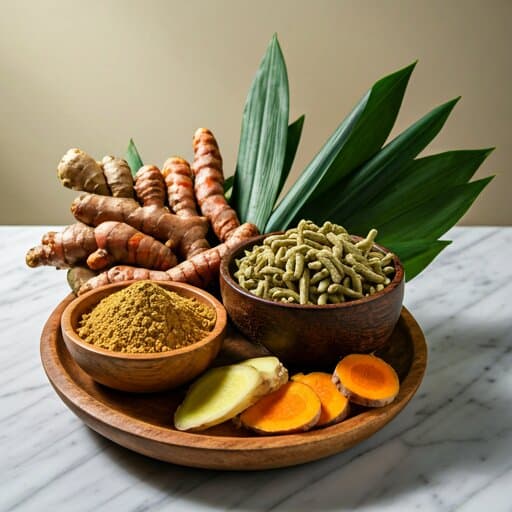
Manjal — turmeric — is so deeply embedded in Kerala cooking that it's easy to overlook as a wellness ingredient rather than just a spice. But its active compound, curcumin, is one of the more extensively studied plant compounds in nutritional science, which makes it worth understanding properly rather than just sprinkling in by habit.
What Curcumin Research Actually Shows
Curcumin has documented antioxidant and anti-inflammatory properties, studied particularly in relation to joint comfort and general inflammatory markers. Some research has also looked at curcumin's relationship with brain-derived neurotrophic factor (BDNF), a protein associated with cognitive function, though this remains an active and evolving area of study rather than settled science.
It's genuinely one of the better-researched everyday spices — but "well-studied" doesn't mean "proven cure-all." Most of the strongest evidence relates to inflammation and joint comfort; broader claims deserve more caution.
The Bioavailability Problem
Curcumin on its own is poorly absorbed by the body. This is the single most important practical fact about turmeric supplementation: piperine, a compound found in black pepper, is well-documented to significantly increase curcumin absorption when the two are consumed together. This is the scientific basis behind the traditional Kerala habit of pairing manjal with a pinch of kurumulaku (black pepper) — a practice that predates the modern research explaining why it works.
If you're taking turmeric specifically for its curcumin content, black pepper (or a supplement that already includes piperine) isn't optional — without it, a meaningful portion of the curcumin may pass through the body largely unused.
Sourcing Good-Quality Turmeric
Not all turmeric is equal, and curcumin content varies meaningfully by variety and growing conditions. A few practical markers:
- Deeper orange colour generally correlates with higher curcumin content compared to pale yellow turmeric.
- Certified pesticide-free sourcing matters more for turmeric than for many crops, since the root can absorb heavy metals from contaminated soil.
- Known regional varieties, including those grown in Kerala's traditional turmeric-growing belts, are often prized specifically for curcumin concentration.
Adding Turmeric Thoughtfully
Turmeric works well cooked into dal, curries, and rice — its traditional culinary use — as well as in a simple warm turmeric-milk preparation with a pinch of black pepper. Consistency matters more than dose size; a modest daily amount used regularly is more aligned with how the research is typically framed than large occasional doses.
Frequently Asked Questions
Does turmeric interact with any medications?
Yes — curcumin can interact with blood-thinning medications and some other drugs. Anyone on prescribed medication should check with their doctor before starting concentrated turmeric or curcumin supplements.
Is cooking turmeric or raw turmeric better?
Both have a place. Cooking turmeric into food is the traditional, well-tolerated approach for everyday use; concentrated supplements are a separate category and should be dosed more carefully, ideally under guidance.
How much black pepper is needed to help absorption?
Research on piperine's effect uses relatively small amounts — a pinch added to a meal or drink is consistent with traditional use and doesn't require large quantities of pepper.
Related Reading
- Building a Balanced Thali: A Practical Nutrition Framework
- Fermented Foods in Traditional Kerala Cooking
Medical Disclaimer: This article is for general educational purposes and does not constitute medical advice. Turmeric and curcumin supplements can interact with certain medications. Consult a qualified healthcare professional before starting any new supplement, especially if you take prescription medication or have an existing health condition.
More in the Library
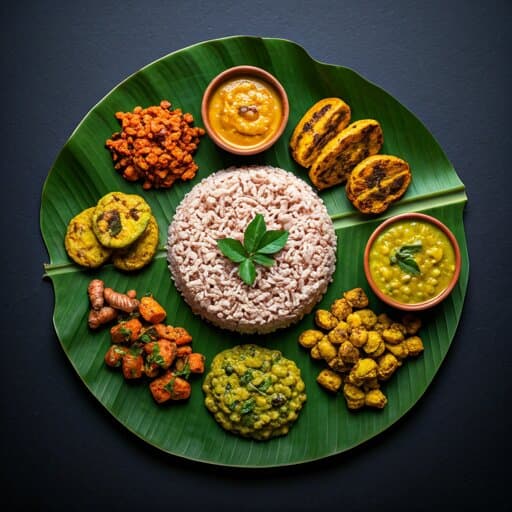
Building a Balanced Thali: A Practical Nutrition Framework
A practical, visual framework for building a nutritionally balanced everyday Kerala thali, without needing to count calories or ma…

Sugar in Disguise: Hidden Sugars in 'Healthy' Kerala Snacks
Several snacks marketed or perceived as healthy in Kerala actually carry meaningful hidden sugar content. Here's what to watch for…

Micronutrient Gaps Common in South Indian Diets
Even a generally healthy South Indian diet can have specific, common micronutrient gaps. Here's what research points to, and pract…