Micronutrient Gaps Common in South Indian Diets
South Indian diets, including Kerala's, are generally considered reasonably balanced by global standards, but nutritional surveys have repeatedly identified a few specific, common micronutrient gaps worth knowing about rather than assuming a traditional diet automatically covers everything.
Iron
Iron deficiency remains commonly documented in South Indian nutritional surveys, particularly among women, and is worth taking seriously given how common vegetarian diets are in the region, since plant-based (non-heme) iron is less efficiently absorbed than iron from animal sources.
Vitamin B12
Vitamin B12 is found almost exclusively in animal products, making deficiency a genuine, well-documented concern for vegetarians and vegans specifically, since plant foods (with the debated exception of some algae forms) don't reliably provide usable B12.
Vitamin D
Despite Kerala's abundant sunlight, vitamin D deficiency is still commonly documented, often linked to limited direct skin sun exposure due to clothing norms, indoor lifestyles, and sunscreen use, rather than a lack of available sunlight itself.
A Practical Approach
Rather than assuming a traditional diet automatically covers these gaps, periodic blood testing (particularly for iron, B12, and vitamin D) gives a more reliable picture than dietary assumption alone, especially for vegetarians, women of reproductive age, and older adults.
Frequently Asked Questions
Should everyone in Kerala get tested for these deficiencies?
It's a reasonable conversation to have with a doctor, particularly for vegetarians, women, and older adults, rather than a universal requirement for everyone.
Can diet alone fix a diagnosed deficiency?
Sometimes, but more significant diagnosed deficiencies often require targeted supplementation under medical guidance, not just dietary adjustment alone.
Does living in a sunny climate guarantee adequate vitamin D?
No — actual direct skin sun exposure, not just ambient sunlight in a region, determines vitamin D synthesis, which is why deficiency remains common even in sunny climates like Kerala's.
Related Reading
- Building a Balanced Thali: A Practical Nutrition Framework
- Fermented Foods in Traditional Kerala Cooking
Medical Disclaimer: This article is for general educational purposes and is not medical advice. Consult a qualified healthcare professional before making changes to your diet, supplement routine, or lifestyle.
More in the Library
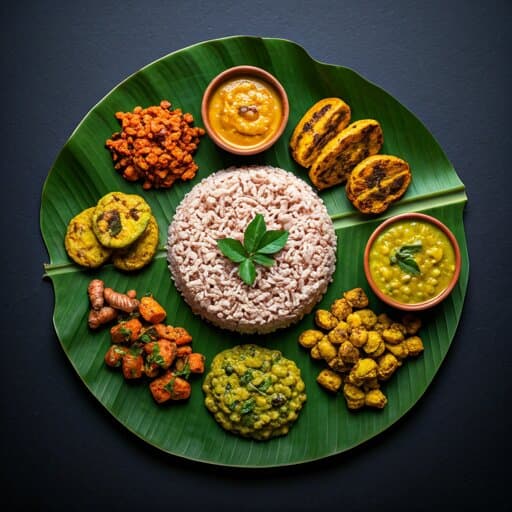
Building a Balanced Thali: A Practical Nutrition Framework
A practical, visual framework for building a nutritionally balanced everyday Kerala thali, without needing to count calories or ma…

Sugar in Disguise: Hidden Sugars in 'Healthy' Kerala Snacks
Several snacks marketed or perceived as healthy in Kerala actually carry meaningful hidden sugar content. Here's what to watch for…

Omega-3s Without Fish: Plant-Based Sources for Kerala Vegetarians
Vegetarian Malayalis often miss out on fish-based omega-3s. Here are the genuinely useful plant-based sources available, and their…