
Omega-3s Without Fish: Plant-Based Sources for Kerala Vegetarians

Fish, a traditional protein and omega-3 source across much of coastal Kerala, isn't part of the diet for the state's substantial vegetarian population. Understanding the plant-based alternatives — and their real limitations — is genuinely useful for vegetarian Malayalis specifically.
The Fish Advantage: EPA and DHA
Fish is a direct source of EPA and DHA, the two omega-3 fatty acid forms most directly used by the body, particularly relevant to brain and cardiovascular health research.
What Plant Sources Actually Provide
Flaxseed, chia seeds, and walnuts provide ALA (alpha-linolenic acid), a different omega-3 form that the body can convert to EPA and DHA — but only inefficiently, with conversion rates in most people estimated at a relatively small percentage. This is a genuine, meaningful limitation worth understanding rather than assuming plant sources are a direct equivalent to fish.
Algae-Based Options
Algae-derived DHA supplements (distinct from spirulina, which doesn't provide meaningful DHA itself) offer vegetarians and vegans a direct source of DHA without relying on inefficient ALA conversion, making them a more targeted option for anyone specifically prioritising omega-3 intake without fish.
A Realistic Recommendation
Vegetarian Malayalis genuinely concerned about omega-3 intake have reasonable options, but should be aware that flax and chia alone don't fully replace fish's direct EPA/DHA contribution — an algae-derived DHA supplement is a more direct solution for anyone wanting to close that specific gap.
Frequently Asked Questions
Is flaxseed oil enough to meet omega-3 needs without fish?
It contributes ALA, which is genuinely useful, but given limited conversion efficiency to EPA/DHA, it may not fully substitute for fish's direct omega-3 contribution for everyone.
Does spirulina provide meaningful omega-3s?
Not significantly — spirulina's nutritional strengths lie elsewhere (protein, phycocyanin, certain micronutrients), not omega-3 content specifically.
Who should consider an algae-based DHA supplement?
Vegetarians and vegans specifically concerned about omega-3 status, particularly during pregnancy or for supporting cognitive health, are reasonable candidates, ideally after a conversation with a doctor or dietitian.
Related Reading
- Building a Balanced Thali: A Practical Nutrition Framework
- Fermented Foods in Traditional Kerala Cooking
Medical Disclaimer: This article is for general educational purposes and is not medical advice. Consult a qualified healthcare professional before making changes to your diet, supplement routine, or lifestyle.
More in the Library
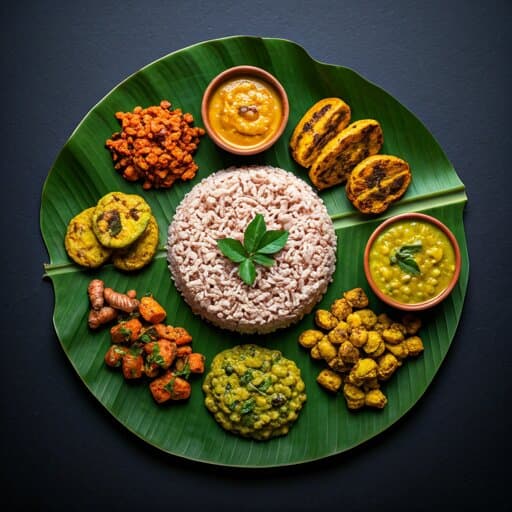
Building a Balanced Thali: A Practical Nutrition Framework
A practical, visual framework for building a nutritionally balanced everyday Kerala thali, without needing to count calories or ma…

Sugar in Disguise: Hidden Sugars in 'Healthy' Kerala Snacks
Several snacks marketed or perceived as healthy in Kerala actually carry meaningful hidden sugar content. Here's what to watch for…

Micronutrient Gaps Common in South Indian Diets
Even a generally healthy South Indian diet can have specific, common micronutrient gaps. Here's what research points to, and pract…