
Fermented Foods in Traditional Kerala Cooking

Fermentation has become a wellness buzzword globally, but Kerala cuisine has quietly included fermented preparations for generations, without needing modern marketing to justify their place in the traditional diet.
Where Fermentation Shows Up in Kerala Cooking
Idli and dosa batter, made from fermented rice and lentils, is one of the most common fermented staples across South India, including Kerala. Traditional curd (yogurt) preparation, used widely in pachadi and as a side dish, is another everyday fermented food already deeply embedded in the diet.
What Fermentation Actually Does
Fermentation partially breaks down starches and proteins via bacterial or yeast activity, which can improve digestibility and, in some cases, increase the bioavailability of certain nutrients compared to the unfermented raw ingredients. Fermented dairy products like curd also introduce beneficial bacteria (probiotics) associated with gut health research.
Why This Matters Beyond Trend
Kerala's traditional reliance on fermented rice-lentil batters and curd wasn't originally framed around "gut health" the way modern wellness marketing frames fermentation, but the underlying nutritional logic — improved digestibility, added beneficial bacteria — genuinely supports why these foods became dietary staples in the first place.
A Practical Takeaway
Continuing to include naturally fermented staples like idli, dosa, and curd in a regular diet is a reasonable, already-familiar way to get fermentation's benefits, without needing to adopt trendier (and sometimes pricier) fermented products marketed as new discoveries.
Frequently Asked Questions
Is store-bought curd as beneficial as homemade curd?
Both can contain beneficial bacteria, though homemade curd, freshly set, may contain a more active bacterial culture depending on how it's made and stored.
Does cooking destroy the probiotic benefits of fermented foods?
Yes, generally — cooking (as with idli or dosa, which are cooked after fermenting) reduces live bacterial content, though the fermentation process still improves digestibility and nutrient availability even after cooking.
Are fermented foods safe for everyone?
Most people tolerate them well, but anyone with a specific digestive condition or a compromised immune system should check with a doctor about any dietary changes, including increased fermented food intake.
Related Reading
- Building a Balanced Thali: A Practical Nutrition Framework
- Understanding Glycemic Index With Kerala Staple Foods
Medical Disclaimer: This article is for general educational purposes and is not medical advice. Consult a qualified healthcare professional before making changes to your diet, supplement routine, or lifestyle.
More in the Library
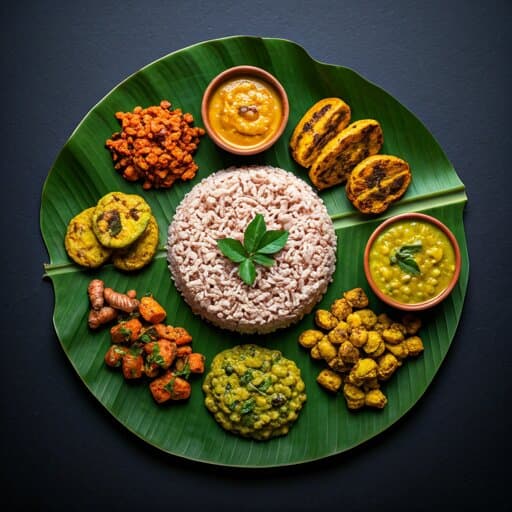
Building a Balanced Thali: A Practical Nutrition Framework
A practical, visual framework for building a nutritionally balanced everyday Kerala thali, without needing to count calories or ma…

Sugar in Disguise: Hidden Sugars in 'Healthy' Kerala Snacks
Several snacks marketed or perceived as healthy in Kerala actually carry meaningful hidden sugar content. Here's what to watch for…
Micronutrient Gaps Common in South Indian Diets
Even a generally healthy South Indian diet can have specific, common micronutrient gaps. Here's what research points to, and pract…