
Wellness Guide
Spirulina — Nature's Most Nutrient-Dense Superfood
A blue-green algae containing 60–70% protein with a complete amino acid profile, B-vitamins, iron, and powerful antioxidants.
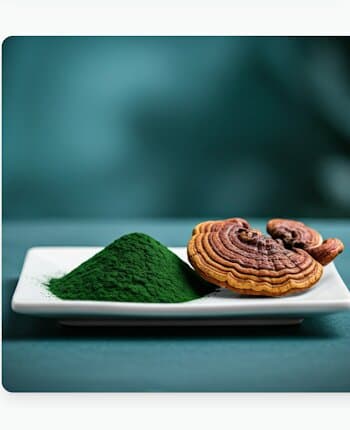
Quick Summary
What is Spirulina?
Spirulina is a cyanobacterium (blue-green algae) that has been consumed as food for centuries — notably by the Aztecs and in Chad, Africa. NASA studied it as a space food candidate due to its extraordinary nutrient density per gram.
Its primary active compounds include phycocyanin (anti-inflammatory pigment), chlorophyll, gamma-linolenic acid (GLA), and a full spectrum of essential amino acids.
Read the Nutritional ProfileKey Nutrients per 100 g
60–70%
Protein
Complete amino acid profile
28 mg/100g
Iron
Higher than spinach by weight
Present
Vitamin B12
Bioavailability debated
High
Beta-carotene
Precursor to Vitamin A
Spirulina Articles
View all →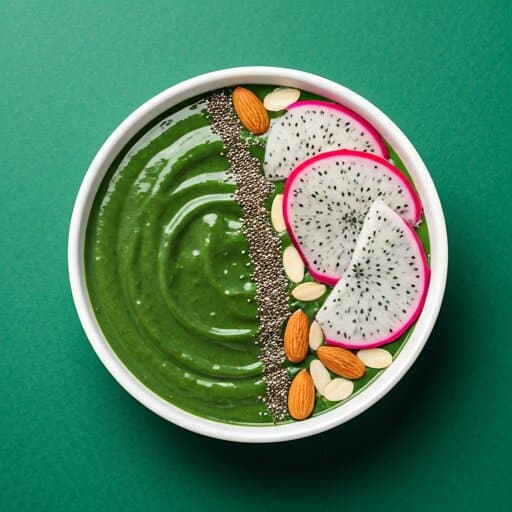
Spirulina Smoothie Bowls: A Weekly Meal Prep Guide
A practical guide to building spirulina into a weekly smoothie bowl routine — including prep tips, flavour pairings, and realistic…
Spirulina and Allergies: What to Watch For
Spirulina is generally well tolerated, but genuine allergic reactions and sensitivities do occur. Here's what to watch for and who…

How Spirulina Is Farmed: From Pond to Powder
A behind-the-scenes look at how spirulina actually gets from a cultivation pond to the powder in a supplement jar.
Spirulina FAQ
Spirulina is generally recognised as safe (GRAS) by the FDA. However, those with phenylketonuria (PKU) or autoimmune disorders should consult a doctor before use.
Blend into buttermilk (moru), add to coconut chutney, stir into rice kanji, or mix with tender coconut water. Start with ½ tsp per day and build up.
Most studies use 1–8 g per day. For general wellness, 1–3 g (about ½–1 tsp of powder) daily is a practical starting point.
Quality matters greatly. Look for brands with third-party testing for heavy metals and microcystin (a toxin from contamination). Our resources guide covers sourcing.
Join Our Spirulina Community
Recipes, sourcing tips, and daily usage ideas tailored to Kerala kitchens — free on WhatsApp.