
Spirulina's Nutritional Profile: The Superfood of the Future
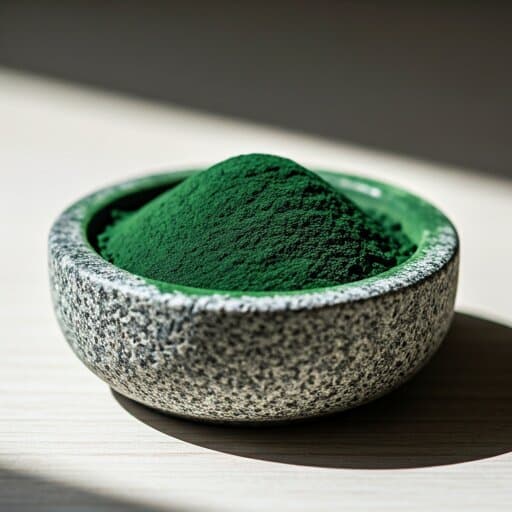
Spirulina has attracted attention well beyond the wellness world — including from NASA, which studied it as a candidate crop for closed-loop life-support systems on long space missions, and from a 1974 UN conference that discussed it as a potential food source in famine-relief contexts. Neither of those is the same as an official declaration that it's "the most complete food on the planet" — a claim that gets repeated often in spirulina marketing but overstates what NASA and the UN actually said. What follows is a more grounded look at what spirulina's nutrient profile actually offers.
What Exactly Is Spirulina?
Spirulina (Arthrospira platensis) is a cyanobacterium — a blue-green algae that has grown in warm, alkaline lakes for over 3.5 billion years, making it one of the oldest life forms on Earth. Historical records show it was harvested by the Aztecs in Mexico and, separately, by communities around Lake Chad in Africa, long before modern science identified why it was so nutritionally significant.
Today, Spirulina is cultivated commercially in controlled ponds — including several in Kerala, where the state's tropical climate and abundant sunlight provide ideal growing conditions. It's harvested, dried at low temperatures to preserve nutrients, and typically sold as a fine powder or in tablet form.
The Protein Powerhouse
Unlike most plant sources, Spirulina is a "complete protein," containing all nine essential amino acids the body cannot produce on its own. With a protein concentration of 65–71% by dry weight, it vastly outperforms beef (22%) and lentils (9%) gram for gram — though in practice, a typical daily serving (3–5g) contributes a modest but meaningful protein boost rather than replacing whole meals.
This matters particularly for vegetarian and vegan diets, which are common across Kerala and much of India, where finding complete plant-based protein sources can otherwise require carefully combining multiple foods (like rice and dal) at every meal.
Extreme Iron Density
One tablespoon (7g) of spirulina contains roughly 11% of the RDA for iron. To get the same amount of bioavailable iron from spinach, you'd need to consume nearly 2 cups of raw leaves. This is especially relevant in India, where iron-deficiency anaemia remains common, particularly among women — though spirulina should complement, not replace, medical treatment for diagnosed anaemia.
Vitamin B12 & Vitality
B12 is vital for nerve tissue health and brain function, and it's a nutrient of particular concern for vegetarians and vegans, since natural B12 is found almost exclusively in animal products. Spirulina is one of the few non-animal sources that provides B-complex compounds, supporting metabolic efficiency and sustained energy levels without the crash associated with caffeine or sugar. (Note: some of spirulina's B12 content is in a form called pseudo-B12, which the body may not absorb as effectively as animal-sourced B12 — it's a helpful complement, not a guaranteed sole source.)
A Future-Proof Food
Spirulina cultivation requires roughly a tenth of the water of traditional crops and effectively captures CO2 during growth, making it one of the most sustainable protein sources available today.
- Uses a fraction of the water required for soy cultivation
- Grown without pesticides or herbicides in controlled pond systems
- Can be cultivated on non-arable land, unlike most food crops
How Spirulina Compares
vs Eggs
Spirulina has roughly 6x more protein by weight than whole eggs, though eggs offer a more complete fat and micronutrient profile — the two are complementary, not substitutes.
vs Spinach
Spirulina offers dramatically higher iron bioavailability and significantly higher chlorophyll content per gram than spinach, though spinach still offers fibre and volume that spirulina powder doesn't replace.
vs Milk
Spirulina's calcium density is comparable to whole milk, without the lactose — useful for the significant portion of the Indian population with some degree of lactose intolerance.
How to Add Spirulina to a Kerala-Style Diet
Spirulina has a distinctive "sea-like" taste that can be an adjustment. A few practical starting points that work well with familiar Kerala foods:
- Stir half a teaspoon into buttermilk (moru) — the tang helps mask the flavour
- Add to fruit-based smoothies with banana, pineapple, or mango
- Mix into idli or dosa batter in very small quantities
- Blend into a favourite chutney base
Dosage and Safety
Most adults tolerate 1–3 grams (roughly a quarter to half a teaspoon) daily without issue, and some protocols go up to 5 grams. Start with a smaller amount for the first week to assess tolerance, since some people experience mild digestive adjustment initially.
Spirulina is generally considered safe for most healthy adults, but a few groups should be cautious: people with autoimmune conditions (spirulina can stimulate immune activity), those on blood thinners (due to its vitamin K content), and anyone with a known iodine sensitivity, since some spirulina products carry trace iodine. As always, check with a doctor before starting if you're pregnant, breastfeeding, or managing an existing health condition.
Choosing a Quality Source
Because spirulina is grown in open or semi-open water systems, sourcing matters. Look for products that specify testing for heavy metals and microcystins (a toxin that can occur if cultivation water is contaminated), and prefer suppliers who are transparent about their growing conditions. This is one of the areas where trusted local or well-reviewed national brands available across India tend to be a safer choice than unverified imports.
Frequently Asked Questions
Is spirulina safe to take every day?
For most healthy adults, yes — daily intake of 1–3 grams is a commonly used range in available research. As with any supplement, it's worth discussing long-term daily use with a healthcare provider, especially if you have an existing health condition.
Can spirulina replace protein powder?
It can contribute to protein intake, but at typical serving sizes (a few grams), it provides meaningfully less total protein than a dedicated protein powder serving. Think of it as a nutrient-dense addition to a varied diet rather than a protein-powder replacement.
Does spirulina taste bad?
It has a distinct, slightly "oceanic" taste that many people need a few tries to get used to. Mixing it into strongly-flavoured foods like buttermilk, chutneys, or fruit smoothies makes the adjustment easier.
Related Reading
- our Spirulina guide
- 10 Creative Ways to Add Spirulina to Your Kerala Diet
- Spirulina Smoothie Bowls: A Weekly Meal Prep Guide
Medical Disclaimer: This article is for general educational purposes and is not medical advice. Consult a qualified healthcare professional before making changes to your diet, supplement routine, or lifestyle.
More in the Library
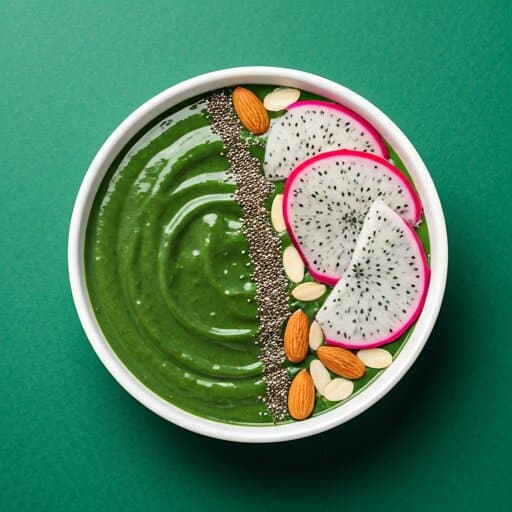
Spirulina Smoothie Bowls: A Weekly Meal Prep Guide
A practical guide to building spirulina into a weekly smoothie bowl routine — including prep tips, flavour pairings, and realistic…
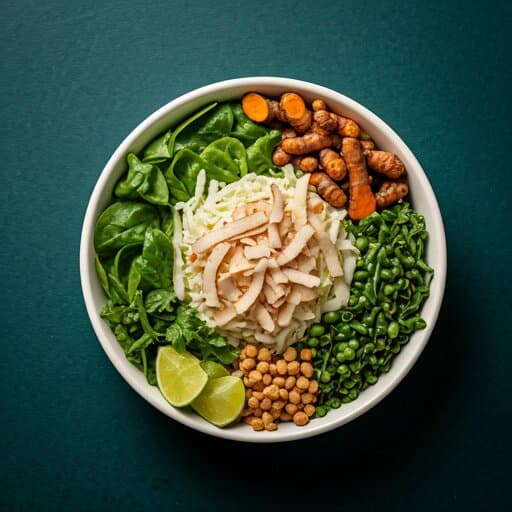
Spirulina for Vegetarian and Vegan Protein Needs
Spirulina is often marketed as a 'complete protein' for vegetarians and vegans. What that claim means in practice, and how it fits…
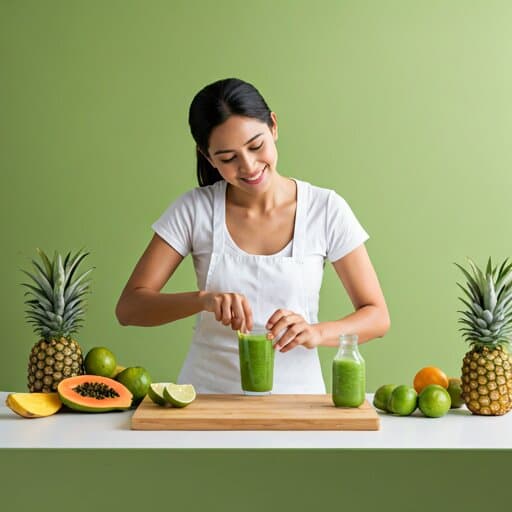
Spirulina Taste Masking: Recipes That Actually Work
Spirulina's strong, slightly fishy taste puts many people off. Here are practical, tested approaches to masking it effectively in …