
10 Creative Ways to Add Spirulina to Your Kerala Diet
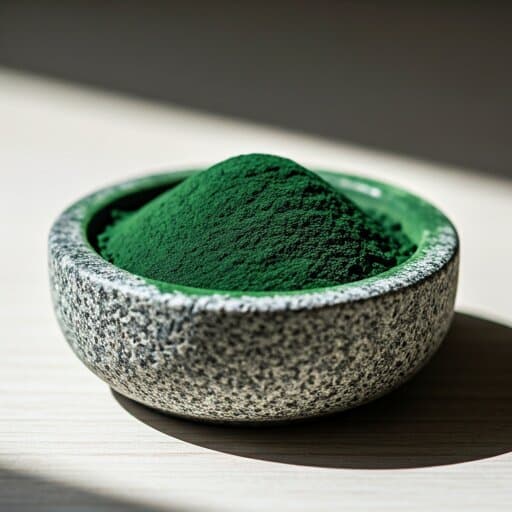
Unlock the "Green Gold" of nutrition within traditional Malayali cuisine. From breakfast staples to comforting dinners, discover how to fortify your family's health without losing the authentic taste of Kerala.
Nutritional Powerhouse
Spirulina is roughly 60-70% protein by dry weight and contains all essential amino acids, making it a particularly useful addition to traditional vegetarian Kerala diets, where getting complete protein can otherwise require more deliberate food combining.
Bioavailability
Pairing spirulina with Vitamin C-rich foods -- Kerala's abundant limes, gooseberries (nellikka), or citrus -- can meaningfully enhance the absorption of spirulina's non-heme iron content.
Local Integration
The key to successfully adding spirulina to a Kerala diet is masking its distinctive earthy, slightly "oceanic" scent while preserving its nutrient profile -- spicy, coconut-forward, and strongly-flavoured dishes do this particularly well.
Integrating the "Green Gold" into Daily Life
Adding spirulina to your diet doesn't mean changing what you eat; it means enhancing dishes you already make. In Kerala, where spices, coconut, and texture are already central to cooking, spirulina finds a natural home.
Spirulina Puttu
Mix half a teaspoon of spirulina powder into every cup of rice flour before steaming. The coconut layers mask the scent well, leaving an attractive marbled green colour throughout.
- Rice flour
- Grated coconut
- Spirulina powder
- Salt to taste
Green Thoran
Add a pinch of spirulina to your coconut-garlic-cumin mix before stir-frying cabbage or beans. It blends in seamlessly alongside the turmeric, both in colour and in how well the flavour is masked.
Superfood Kanji
A simple recovery-meal upgrade: swirl a spoon of spirulina into hot red rice kanji, with a bit of ginger for digestive support.
Spirulina Sambharam
Whisk spirulina into spiced buttermilk with ginger, green chillies, and curry leaves -- the tang of the buttermilk works particularly well at masking spirulina's taste.
Green Idli Batter
Stir a small amount into idli batter before steaming for a subtly nutrient-boosted, naturally green breakfast staple.
Spirulina Chutney
Blend a pinch into coconut chutney along with the usual green chillies and curry leaves -- a simple way to fortify a dish already eaten daily in many households.
When to Consume
Spirulina in the morning -- smoothies, dosa batter, or idli -- is commonly favoured for its B-vitamin content and sustained-energy association. In the evening, mixed into kanji or a warm drink, it's more often used for its protein and iron content, relevant to overnight recovery.
Kid-Friendly Tips
- Green "superhero" dosa: Framing the unusual colour as exciting rather than explaining the nutritional details can make it an easier sell for younger children.
- Coconut camouflage: Dishes with heavy coconut content, like thoran, do the best job of masking both taste and texture.
- Start small: Begin with an eighth of a teaspoon and increase gradually as a child's palate adjusts, the same way you'd introduce any new ingredient.
Frequently Asked Questions
How much spirulina should a family member consume daily?
Most adult protocols suggest 1-3 grams (roughly a quarter to half a teaspoon) daily. For children, start with much smaller amounts (an eighth of a teaspoon) and consult a pediatrician before regular use, particularly for younger children.
Does cooking spirulina destroy its nutritional value?
High heat can degrade some heat-sensitive compounds like phycocyanin, so adding spirulina toward the end of cooking, or to dishes that aren't extensively heated (like chutneys, batters, or kanji after cooking), preserves more of its nutrient profile than prolonged high-heat cooking.
My family doesn't like the taste even when masked -- any other options?
Capsules are a reasonable alternative for anyone who finds even well-masked spirulina difficult to enjoy in food. The nutritional content is comparable; it simply removes the taste and texture consideration entirely.
Do these recipes work if I don't have access to specifically Kerala ingredients?
Most will adapt easily -- the core idea (masking spirulina's taste in a strongly-flavoured, already-familiar dish) works with any regional Indian cuisine's staples, whether that's dosa batter, roti dough, or a favourite chutney from your own regional kitchen.
Related Reading
- our Spirulina guide
- Growing Spirulina at Home: Is It Feasible in Kerala?
- Spirulina for Athletic Recovery: The Kochi Runner's Guide
Medical Disclaimer: This article is for general educational purposes and is not medical advice. Consult a qualified healthcare professional before making changes to your diet, supplement routine, or lifestyle.
More in the Library
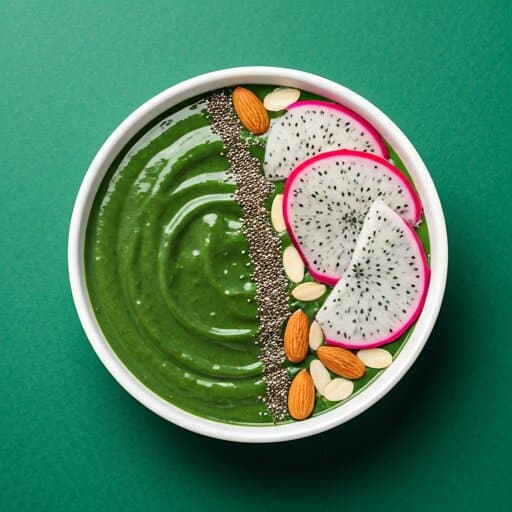
Spirulina Smoothie Bowls: A Weekly Meal Prep Guide
A practical guide to building spirulina into a weekly smoothie bowl routine — including prep tips, flavour pairings, and realistic…
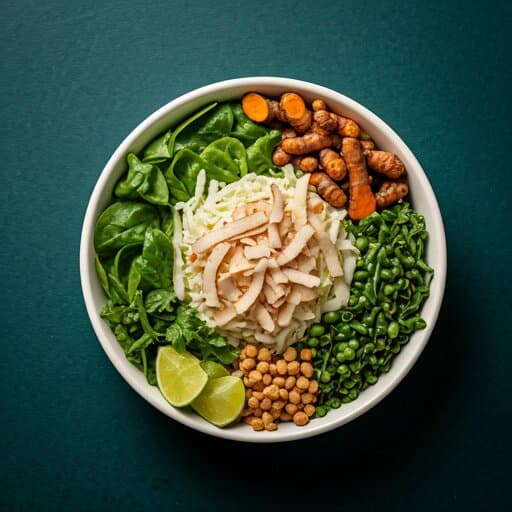
Spirulina for Vegetarian and Vegan Protein Needs
Spirulina is often marketed as a 'complete protein' for vegetarians and vegans. What that claim means in practice, and how it fits…
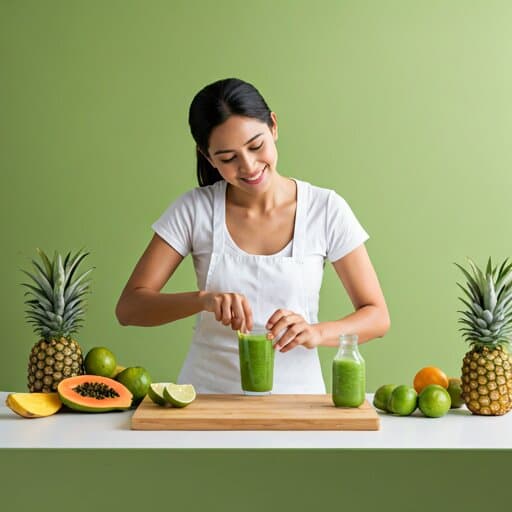
Spirulina Taste Masking: Recipes That Actually Work
Spirulina's strong, slightly fishy taste puts many people off. Here are practical, tested approaches to masking it effectively in …