
Growing Spirulina at Home: Is It Feasible in Kerala?

Home spirulina cultivation shows up periodically in wellness and self-sufficiency circles, often presented as simpler than it actually is. Kerala's warm climate genuinely helps, but there are real practical hurdles worth understanding before attempting it.
Why Kerala's Climate Helps
Spirulina thrives in warm, alkaline water with consistent sunlight — conditions that align reasonably well with Kerala's climate for much of the year, which is part of why commercial spirulina cultivation exists in the region at meaningful scale.
The Real Practical Challenges
Home cultivation requires maintaining specific water alkalinity, consistent temperature, adequate but not excessive light, and — critically — protection from contamination by other algae species or bacteria, some of which can produce genuinely harmful toxins if a cultivation setup is contaminated and not properly identified. This isn't a minor risk to wave away: misidentified home-grown algae has led to real poisoning cases when a contaminating toxic species is mistaken for spirulina.
Harvesting and Processing
Even a successful cultivation setup requires proper harvesting (typically filtering) and drying methods to produce a usable, food-safe product — steps that are considerably more involved than commercial marketing sometimes suggests.
A Realistic Recommendation
For most households, sourcing spirulina from an established, tested commercial producer is a considerably safer and more consistent option than home cultivation, given the genuine contamination risk. Home cultivation is better suited to a dedicated hobbyist willing to invest in proper testing equipment and species verification, not a casual weekend project.
Frequently Asked Questions
Is home-grown spirulina dangerous?
It can be, if the culture becomes contaminated with a toxin-producing algae species that resembles spirulina without proper testing to confirm what's actually growing.
What equipment is minimally needed for home cultivation?
At minimum, a controlled-temperature tank, pH testing equipment, adequate lighting, and ideally some way to verify species purity — considerably more than a simple open container.
Is commercially sold spirulina safer than home-grown?
Generally yes, since established producers follow tested cultivation and contamination-control protocols that are difficult to replicate reliably at home.
Related Reading
- our Spirulina guide
- 10 Creative Ways to Add Spirulina to Your Kerala Diet
- Spirulina for Athletic Recovery: The Kochi Runner's Guide
Medical Disclaimer: This article is for general educational purposes and is not medical advice. Consult a qualified healthcare professional before making changes to your diet, supplement routine, or lifestyle.
More in the Library
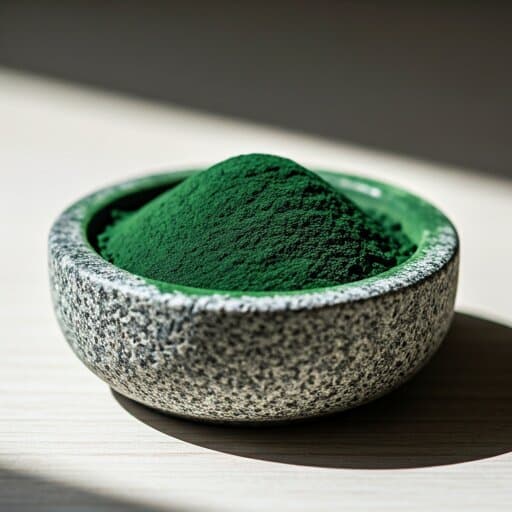
10 Creative Ways to Add Spirulina to Your Kerala Diet
Unlock the "Green Gold" of nutrition within traditional Malayali cuisine. From breakfast staples to comforting dinners, discover h…

Spirulina for Athletic Recovery: The Kochi Runner's Guide
How Spirulina helps tropical athletes recover from Kerala's heat and humidity by combating oxidative stress after intense training…
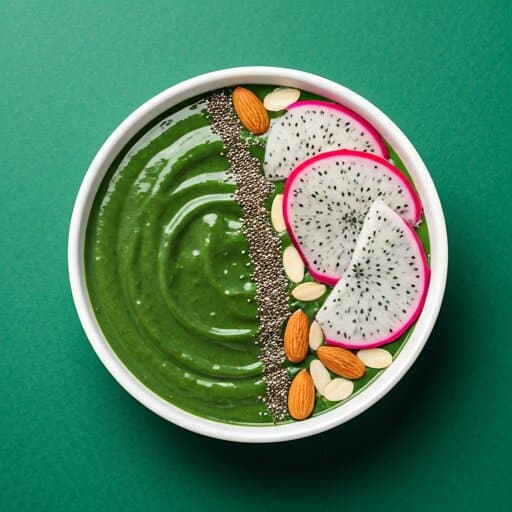
Spirulina Smoothie Bowls: A Weekly Meal Prep Guide
A practical guide to building spirulina into a weekly smoothie bowl routine — including prep tips, flavour pairings, and realistic…