Spirulina for Vegetarian and Vegan Protein Needs
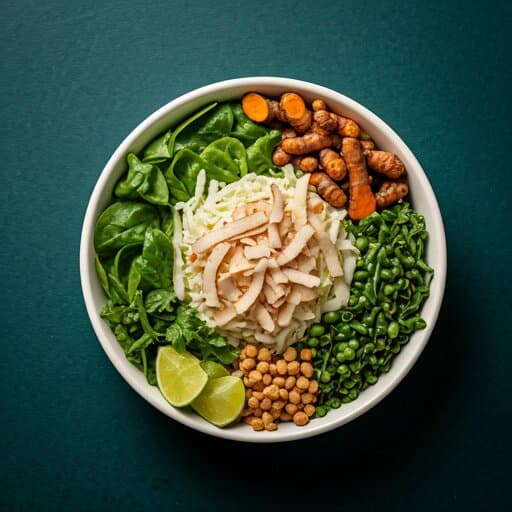
Spirulina is frequently described as a "complete protein," a genuinely accurate claim that's nonetheless easy to misinterpret — worth breaking down clearly for anyone building a vegetarian or vegan diet around it.
What "Complete Protein" Actually Means
A complete protein contains all nine essential amino acids the body cannot produce on its own. Spirulina genuinely qualifies on this measure, which is a meaningful nutritional point, since complete plant protein sources are less common than complete animal protein sources.
Where the Marketing Oversimplifies
"Complete protein" describes amino acid profile, not total protein quantity per typical serving. A standard spirulina serving (a few grams) provides a relatively modest total protein amount compared to a full meal's worth of dal, tofu, or legumes — spirulina is a protein quality contributor within a diet, not a stand-alone protein source capable of meeting a full day's protein needs on its own.
How It Fits a Vegetarian or Vegan Diet
Spirulina works well as one complementary protein source among several — alongside legumes, dairy (for vegetarians), tofu, and grains — rather than as a replacement for a well-rounded protein strategy. Its main practical value is contributing a complete amino acid profile and useful micronutrients (iron, B12 in some forms) in a small, convenient serving.
Frequently Asked Questions
Can spirulina alone meet my daily protein needs?
Not realistically — typical serving sizes don't provide enough total protein to serve as a sole protein source; it's best understood as a nutritional addition alongside other protein-rich foods.
Does spirulina contain vitamin B12?
Spirulina contains a B12-like compound, but there's ongoing scientific debate about whether this form is actually usable by the human body, so vegans should not rely on spirulina as a confirmed B12 source without further verification or a dedicated B12 supplement.
Is spirulina protein as good as animal protein for muscle building?
Its complete amino acid profile is a genuine advantage, but typical serving sizes are too small to serve as a primary protein source for serious muscle-building goals — larger, dedicated protein sources remain more practical for that purpose.
Related Reading
- our Spirulina guide
- 10 Creative Ways to Add Spirulina to Your Kerala Diet
- Spirulina's Nutritional Profile: The Superfood of the Future
Medical Disclaimer: This article is for general educational purposes and is not medical advice. Consult a qualified healthcare professional before making changes to your diet, supplement routine, or lifestyle.
More in the Library
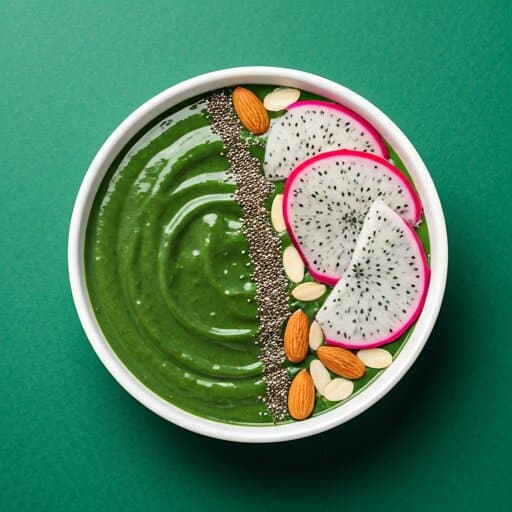
Spirulina Smoothie Bowls: A Weekly Meal Prep Guide
A practical guide to building spirulina into a weekly smoothie bowl routine — including prep tips, flavour pairings, and realistic…
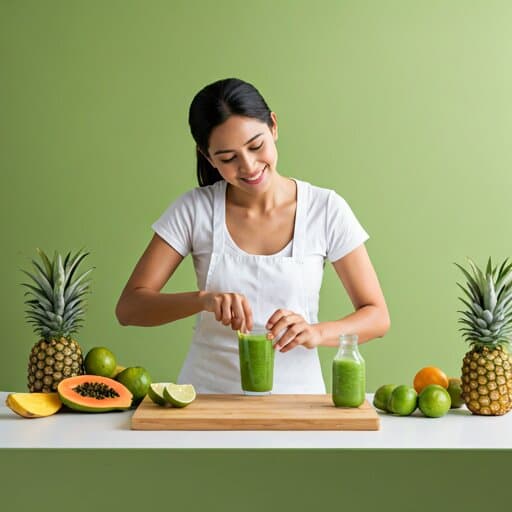
Spirulina Taste Masking: Recipes That Actually Work
Spirulina's strong, slightly fishy taste puts many people off. Here are practical, tested approaches to masking it effectively in …
10 Creative Ways to Add Spirulina to Your Kerala Diet
Unlock the "Green Gold" of nutrition within traditional Malayali cuisine. From breakfast staples to comforting dinners, discover h…