
Spirulina and Allergies: What to Watch For
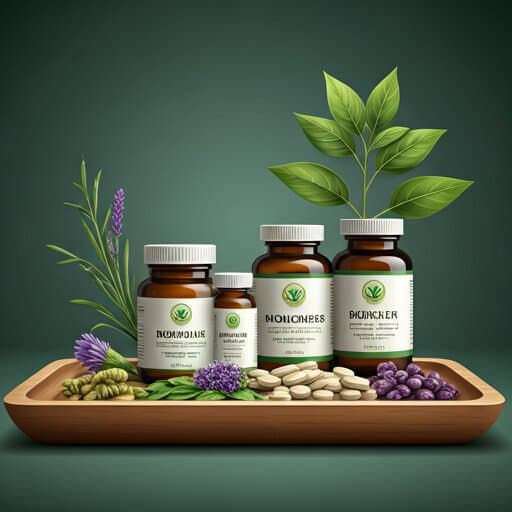
Spirulina is broadly well tolerated, but treating any supplement as risk-free isn't accurate, and a small number of people do experience genuine sensitivities or allergic reactions worth understanding.
Documented Reaction Types
Reported reactions to spirulina have included mild digestive upset (particularly when starting with too large a dose too quickly), and less commonly, more specific allergic responses such as skin reactions or, rarely, more serious hypersensitivity reactions. These are not common, but they are documented in medical literature and shouldn't be dismissed.
Who Should Be Particularly Cautious
People with autoimmune conditions are sometimes advised by their doctors to be cautious with spirulina, since some research has raised questions about whether its immune-stimulating properties could theoretically interact with autoimmune disease activity — this is an area warranting a direct conversation with a treating physician rather than general guidance. People with known iodine sensitivity or thyroid conditions should also check with a doctor, given spirulina's iodine content in some products.
A Sensible First-Use Approach
Starting with a smaller-than-recommended dose and monitoring for any digestive, skin, or other reaction over the first few days is a reasonable, low-risk way to introduce spirulina for the first time, rather than starting immediately at a full recommended serving.
Frequently Asked Questions
Is spirulina allergy common?
No, genuine allergic reactions are relatively uncommon, though mild digestive adjustment when starting is more frequently reported.
Can spirulina worsen an autoimmune condition?
This is genuinely debated and not conclusively settled; anyone with a diagnosed autoimmune condition should discuss spirulina specifically with their treating doctor before starting it.
What should I do if I have a reaction after taking spirulina?
Stop taking it and consult a doctor, particularly if the reaction involves difficulty breathing, swelling, or a widespread rash, which would warrant urgent medical attention.
Related Reading
- our Spirulina guide
- How Spirulina Is Farmed: From Pond to Powder
- The Phycocyanin Pigment: What Makes Spirulina Blue-Green
Medical Disclaimer: This article is for general educational purposes and is not medical advice. Consult a qualified healthcare professional before making changes to your diet, supplement routine, or lifestyle.
More in the Library

How Spirulina Is Farmed: From Pond to Powder
A behind-the-scenes look at how spirulina actually gets from a cultivation pond to the powder in a supplement jar.
The Phycocyanin Pigment: What Makes Spirulina Blue-Green
Phycocyanin is the pigment behind spirulina's blue-green colour, and one of its most researched compounds. Here's what it actually…

Blue-Green Algae Confusion: Spirulina vs. Chlorella vs. Toxic Algae
Spirulina and chlorella are often confused, and both are sometimes mixed up with genuinely toxic blue-green algae. Here's how to t…