Blue-Green Algae Confusion: Spirulina vs. Chlorella vs. Toxic Algae
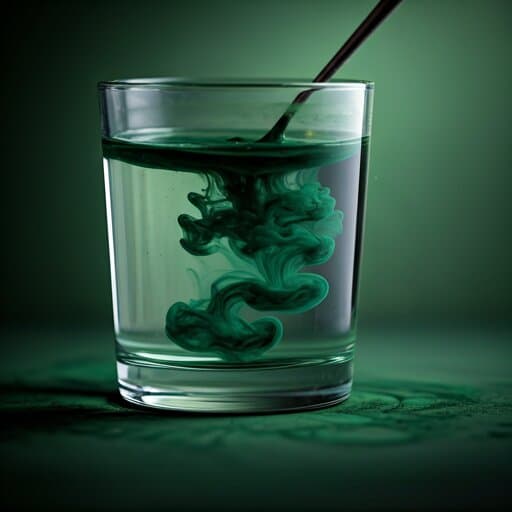
"Blue-green algae" is a category that includes both genuinely nutritious, well-studied foods like spirulina, and species capable of producing serious toxins. The confusion this causes is worth untangling clearly.
Spirulina
Spirulina (technically a cyanobacterium, informally grouped with "algae") is extensively studied, commercially cultivated under controlled conditions, and has a long history of safe dietary use when sourced from a tested, reputable producer.
Chlorella
Chlorella is a distinct organism — a true green algae, not a cyanobacterium — with a different nutrient profile, notably including compounds studied for potential heavy-metal binding, though this is an area with mixed and still-developing research. Chlorella has a notably tough cell wall that must be mechanically "cracked" during processing for the nutrients to be digestible, similar to the spore-cracking issue discussed with Ganoderma spores.
The Genuine Toxin Risk
Certain other cyanobacteria species, found in untreated natural water bodies (particularly warm, stagnant freshwater), can produce microcystins — genuinely dangerous liver toxins. This is a real, documented risk with wild-harvested or improperly tested "blue-green algae" products, and it's the core reason commercial spirulina and chlorella producers rely on controlled, tested cultivation rather than wild harvesting.
The Practical Takeaway
Buying spirulina or chlorella from an established, tested commercial source all but eliminates the toxin risk that applies to uncontrolled wild-algae products. This is one supplement category where sourcing genuinely matters more than almost any other consideration.
Frequently Asked Questions
Are spirulina and chlorella the same thing?
No — they're biologically distinct organisms with different nutrient profiles and different processing requirements, despite both being marketed under the general "algae supplement" umbrella.
Is wild-harvested blue-green algae ever safe?
It carries meaningfully more contamination risk than controlled commercial cultivation, and isn't recommended without rigorous, verified toxin testing.
How can I tell if a spirulina or chlorella product is safely sourced?
Look for a producer that discloses testing practices and cultivation conditions, ideally with third-party contamination testing referenced on the label or website.
Related Reading
- our Spirulina guide
- How Spirulina Is Farmed: From Pond to Powder
- The Phycocyanin Pigment: What Makes Spirulina Blue-Green
Medical Disclaimer: This article is for general educational purposes and is not medical advice. Consult a qualified healthcare professional before making changes to your diet, supplement routine, or lifestyle.
More in the Library
Spirulina and Allergies: What to Watch For
Spirulina is generally well tolerated, but genuine allergic reactions and sensitivities do occur. Here's what to watch for and who…
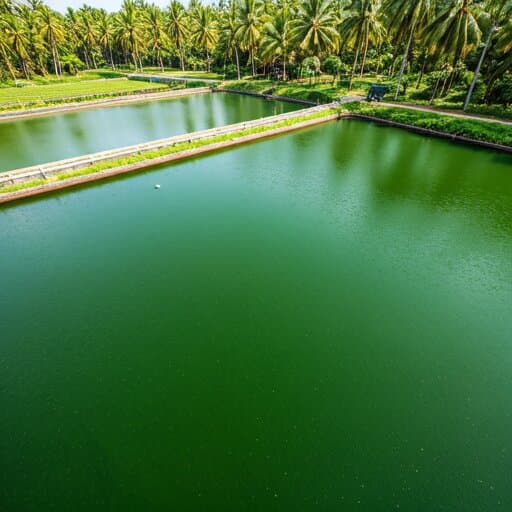
How Spirulina Is Farmed: From Pond to Powder
A behind-the-scenes look at how spirulina actually gets from a cultivation pond to the powder in a supplement jar.
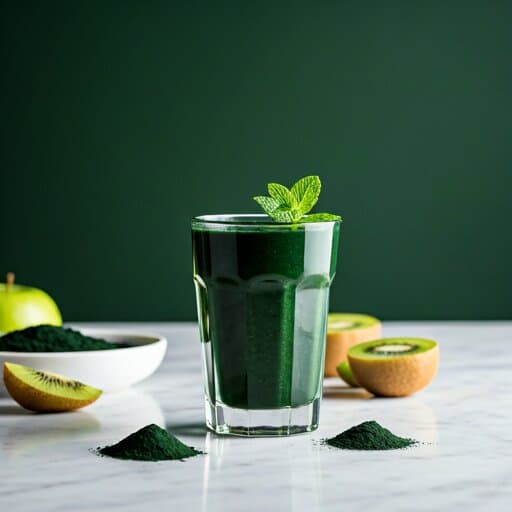
The Phycocyanin Pigment: What Makes Spirulina Blue-Green
Phycocyanin is the pigment behind spirulina's blue-green colour, and one of its most researched compounds. Here's what it actually…