
The Phycocyanin Pigment: What Makes Spirulina Blue-Green
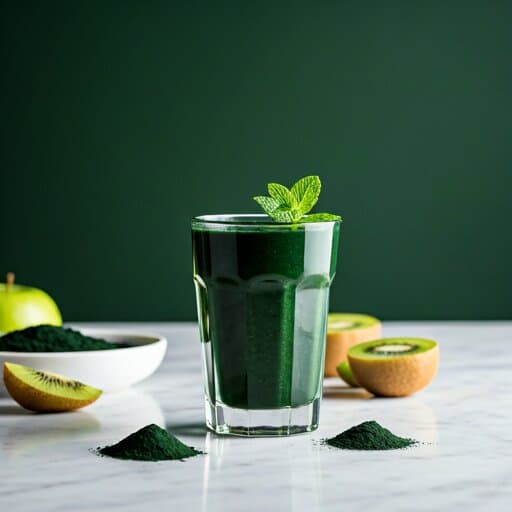
Spirulina's striking blue-green colour comes from phycocyanin, a pigment-protein compound that also happens to be one of the more extensively researched components of the organism — worth understanding on its own, beyond just "what makes it blue."
What Phycocyanin Actually Is
Phycocyanin is a photosynthetic pigment that helps spirulina capture light for energy, similar in general concept to chlorophyll in plants, but with a blue rather than green light-absorption profile — hence spirulina's distinctive colour, particularly pronounced in high-quality, well-processed powder.
Research Interest
Phycocyanin has been studied for antioxidant properties, and some preclinical research has examined its relationship with inflammatory markers. This is a genuinely active area of research interest, though — as with many compounds discussed on this site — much of the strongest evidence remains at the laboratory and preclinical stage rather than large human clinical trials.
Why Colour Can Indicate Quality
A more vivid blue-green colour in spirulina powder is often a reasonable, informal indicator of higher phycocyanin content and, by extension, less degraded processing, since phycocyanin is sensitive to heat and can break down with poor handling. A dull, greyish-green powder may indicate lower phycocyanin retention, though colour alone isn't a substitute for actual testing data if a producer provides it.
Frequently Asked Questions
Is phycocyanin the same as chlorophyll?
No — they're different pigment compounds with different light-absorption properties, though both serve a similar general photosynthetic function.
Does cooking destroy phycocyanin?
High heat can degrade it, which is part of why spirulina is generally recommended to be added to food or drinks after cooking, rather than exposed to prolonged high heat.
Can phycocyanin be extracted and sold separately from spirulina?
Yes, some specialty products isolate phycocyanin specifically as a food colouring or concentrated supplement, though whole spirulina remains the more common and typically more affordable format.
Related Reading
- our Spirulina guide
- How Spirulina Is Farmed: From Pond to Powder
- Spirulina and Allergies: What to Watch For
Medical Disclaimer: This article is for general educational purposes and is not medical advice. Consult a qualified healthcare professional before making changes to your diet, supplement routine, or lifestyle.
More in the Library
Spirulina and Allergies: What to Watch For
Spirulina is generally well tolerated, but genuine allergic reactions and sensitivities do occur. Here's what to watch for and who…
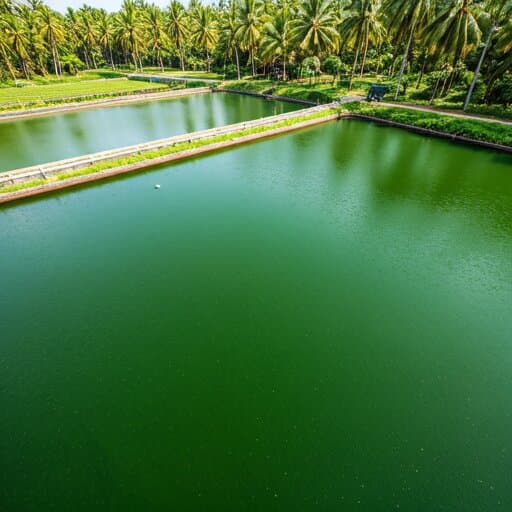
How Spirulina Is Farmed: From Pond to Powder
A behind-the-scenes look at how spirulina actually gets from a cultivation pond to the powder in a supplement jar.
Blue-Green Algae Confusion: Spirulina vs. Chlorella vs. Toxic Algae
Spirulina and chlorella are often confused, and both are sometimes mixed up with genuinely toxic blue-green algae. Here's how to t…