
Spirulina and Weight Management: Separating Fact From Hype
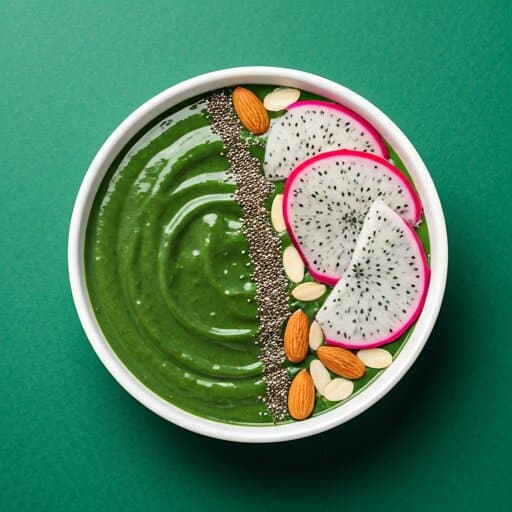
Spirulina frequently appears in weight-management marketing, sometimes with fairly bold claims. It's worth separating what's plausible from what's overstated.
What's Plausible
Spirulina is genuinely low in calories relative to its protein and micronutrient content, which makes it a reasonable addition to a calorie-conscious diet as a nutrient-dense, low-calorie protein source — particularly useful for people trying to maintain nutritional adequacy while managing calorie intake.
Some small studies have also examined spirulina's relationship with appetite and lipid (cholesterol/triglyceride) markers, with a few showing modest favourable changes. These findings are worth noting but are based on limited, small-scale research rather than large, definitive trials.
What's Overstated
Marketing claims describing spirulina as a "fat burner" or a standalone weight-loss solution go meaningfully beyond what the evidence supports. There's no credible mechanism by which spirulina directly burns fat, and no supplement — spirulina included — substitutes for the fundamentals of calorie balance, diet quality, and physical activity in sustainable weight management.
A Reasonable Way to Use It
If you're managing weight, spirulina can reasonably fit in as a nutrient-dense addition to a calorie-aware diet — added to a smoothie in place of a less nutritious ingredient, for instance — rather than as a targeted weight-loss product on its own.
Frequently Asked Questions
Can I lose weight just by adding spirulina to my diet?
Unlikely on its own — meaningful weight management depends primarily on overall diet and activity patterns, with spirulina serving as a supporting nutritional addition rather than a solution by itself.
How much spirulina would be needed for any weight-related effect?
The research showing modest effects generally used specific, moderate daily amounts consistent with typical supplement servings — very large "extra" doses aren't shown to produce a stronger effect.
Is spirulina safe to take while following a calorie-restricted diet?
Generally yes, given its low calorie and high nutrient density, though anyone on a medically supervised diet plan should check with their doctor or dietitian first.
Related Reading
- our Spirulina guide
- How Spirulina Is Farmed: From Pond to Powder
- The Phycocyanin Pigment: What Makes Spirulina Blue-Green
Medical Disclaimer: This article is for general educational purposes and is not medical advice. Consult a qualified healthcare professional before making changes to your diet, supplement routine, or lifestyle.
More in the Library
Spirulina and Allergies: What to Watch For
Spirulina is generally well tolerated, but genuine allergic reactions and sensitivities do occur. Here's what to watch for and who…

How Spirulina Is Farmed: From Pond to Powder
A behind-the-scenes look at how spirulina actually gets from a cultivation pond to the powder in a supplement jar.
The Phycocyanin Pigment: What Makes Spirulina Blue-Green
Phycocyanin is the pigment behind spirulina's blue-green colour, and one of its most researched compounds. Here's what it actually…