
Spirulina for Skin Health: Glow from the Inside Out
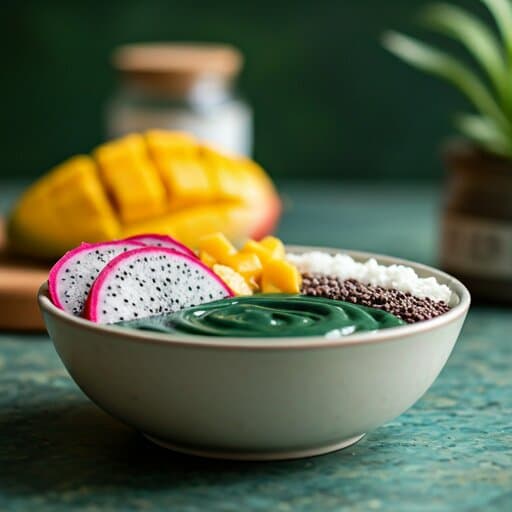
Harnessing the well-documented nutrient profile of blue-green algae as part of a broader approach to skin health, in the context of Kerala's humid, high-sun climate.
The Case for Spirulina and Skin
Spirulina is a nutritional powerhouse containing roughly 60-70% protein by weight and a range of antioxidant compounds. For skin health specifically, it's most reasonably understood as one supportive input among many -- not a standalone solution -- for people dealing with the environmental stressors of a coastal, high-humidity climate like Kerala's.
Humidity, Pollution, and Skin in Kochi and Beyond
Kochi's combination of high humidity and urban pollution can contribute to what's sometimes described as "congested" skin -- excess sebum production combined with trapped particulate matter, which can be associated with dullness and breakouts for some people. This isn't unique to Kochi -- similarly humid, urban Indian cities like Mumbai, Chennai, and Kolkata present comparable skin challenges.
Spirulina's chlorophyll and phycocyanin content have been studied for antioxidant properties that may help the body manage oxidative stress generally, which is relevant to skin health as one of many factors, alongside proper cleansing, hydration, and sun protection.
The Role of Phycocyanin
Phycocyanin is the pigment-protein compound that gives spirulina its distinctive blue-green colour. It has documented antioxidant properties studied in relation to free radical activity, including free radicals generated by UV exposure.
It's important to be direct here: phycocyanin's antioxidant properties are not a substitute for actual sun protection. Describing any dietary antioxidant as "internal SPF" is a common but misleading wellness marketing phrase -- no food or supplement provides measurable UV protection comparable to sunscreen, and skipping sunscreen because of dietary antioxidant intake would be a genuine mistake, particularly in Kerala's high-UV climate. Spirulina may be a reasonable nutritional addition, but it does not replace topical sun protection.
A Simple Morning Smoothie
- 1 teaspoon spirulina powder
- 1 frozen banana
- 1 cup tender coconut water
- Half a teaspoon fresh grated ginger
- A squeeze of lime
Realistic Expectations
Skin health is influenced by many factors -- genetics, sleep, hydration, sun exposure, and overall diet among them. Spirulina, like most single dietary additions, is best understood as one small contributing factor within that larger picture, not a dedicated "skincare" solution on its own. Visible skin changes from dietary changes generally take weeks to months to become noticeable, if they occur at all, and vary significantly between individuals.
Frequently Asked Questions
Can I stop using sunscreen if I take spirulina regularly?
No. Spirulina's antioxidant properties are not a substitute for sunscreen's actual UV-blocking function. Continue using topical sun protection regardless of dietary supplement use, especially in Kerala's high-UV climate.
How long before I would notice a difference in my skin?
There's no well-established timeline from rigorous research specifically on spirulina and skin appearance. Any dietary change affecting skin would generally take weeks of consistent intake to potentially show any noticeable effect, and results vary significantly between individuals.
Are there topical spirulina products, or is it only taken internally?
Both exist commercially -- spirulina appears in some face masks and topical skincare products, in addition to dietary use. The research base for topical use is generally less developed than for dietary intake, so claims about topical spirulina products should be evaluated with similar caution.
Related Reading
- our Spirulina guide
- 10 Creative Ways to Add Spirulina to Your Kerala Diet
- Growing Spirulina at Home: Is It Feasible in Kerala?
Medical Disclaimer: This article is for educational purposes only and does not constitute medical advice. Consult your healthcare provider before adding spirulina to your diet, especially if you are pregnant, nursing, or have an autoimmune condition.
More in the Library
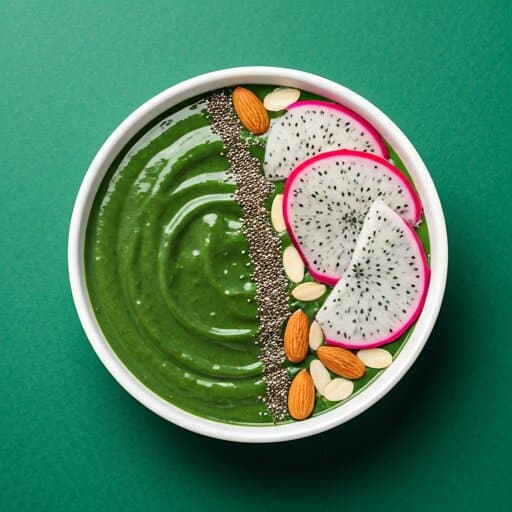
Spirulina Smoothie Bowls: A Weekly Meal Prep Guide
A practical guide to building spirulina into a weekly smoothie bowl routine — including prep tips, flavour pairings, and realistic…
Spirulina and Allergies: What to Watch For
Spirulina is generally well tolerated, but genuine allergic reactions and sensitivities do occur. Here's what to watch for and who…

How Spirulina Is Farmed: From Pond to Powder
A behind-the-scenes look at how spirulina actually gets from a cultivation pond to the powder in a supplement jar.