
Spirulina for Eye Health: The Zeaxanthin Connection
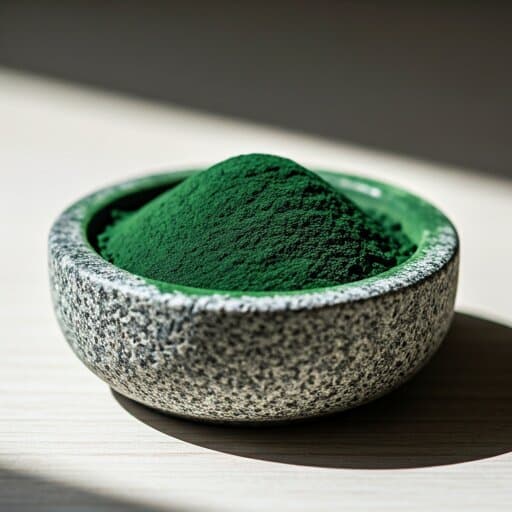
Among spirulina's less-discussed compounds is zeaxanthin, a carotenoid pigment that has drawn research interest specifically in relation to eye health — an area worth understanding on its own terms rather than folding into spirulina's broader "superfood" reputation.
What Zeaxanthin Actually Does
Zeaxanthin, alongside a related compound called lutein, accumulates in the macula — the part of the retina responsible for central, detailed vision. Research has associated adequate levels of these carotenoids with supporting healthy macular pigment density, which is relevant to long-term eye health, particularly around age-related macular changes.
Where Spirulina Fits
Spirulina is one of several dietary sources of zeaxanthin, alongside foods like corn, orange peppers, and leafy greens. It isn't uniquely superior to these other sources — its main practical advantage is that a small daily amount of spirulina delivers a meaningful, consistent dose without needing to eat a specific quantity of any single vegetable.
A Realistic Framing
Spirulina is reasonably described as a contributing dietary source of zeaxanthin, not a specific treatment for any eye condition. Anyone with diagnosed macular degeneration or another eye condition should follow their ophthalmologist's guidance rather than relying on spirulina as a substitute for medical eye care.
Frequently Asked Questions
Can spirulina improve my eyesight directly?
There's no evidence it corrects vision problems like nearsightedness — its relevance is to long-term eye tissue health, not immediate visual acuity.
How much spirulina would provide a meaningful amount of zeaxanthin?
This varies by product concentration; checking a specific product's nutritional panel is more reliable than assuming a standard serving size applies universally.
Should I take spirulina instead of a prescribed eye supplement?
No — if an eye doctor has prescribed a specific supplement (such as an AREDS-formula product) for a diagnosed condition, that guidance should take priority.
Related Reading
- our Spirulina guide
- How Spirulina Is Farmed: From Pond to Powder
- The Phycocyanin Pigment: What Makes Spirulina Blue-Green
Medical Disclaimer: This article is for general educational purposes and is not medical advice. Consult a qualified healthcare professional before making changes to your diet, supplement routine, or lifestyle.
More in the Library
Spirulina and Allergies: What to Watch For
Spirulina is generally well tolerated, but genuine allergic reactions and sensitivities do occur. Here's what to watch for and who…

How Spirulina Is Farmed: From Pond to Powder
A behind-the-scenes look at how spirulina actually gets from a cultivation pond to the powder in a supplement jar.
The Phycocyanin Pigment: What Makes Spirulina Blue-Green
Phycocyanin is the pigment behind spirulina's blue-green colour, and one of its most researched compounds. Here's what it actually…