
Spirulina for Digestive Health: The Prebiotic Connection
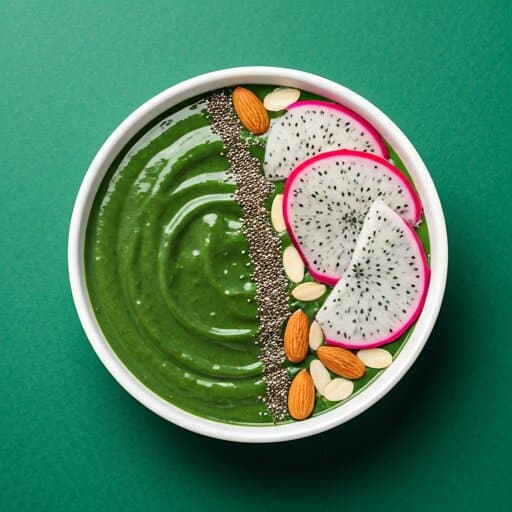
In the evolving landscape of gut health, while probiotics often take centre stage, prebiotics — the compounds that feed beneficial gut bacteria — are gaining increasing scientific attention. Spirulina (Arthrospira platensis), often labelled a superfood primarily for its protein content, is also being studied for its potential prebiotic-like effects on gut microbiome composition.
The Micro-Prebiotic Mechanism
Unlike standard dietary fibre prebiotics, spirulina contains unique polysaccharides that appear to survive the initial stages of digestion largely intact. Upon reaching the large intestine, research suggests these compounds may serve as a food source for beneficial bacteria genera like Lactobacillus and Bifidobacterium — though this research is still developing, and the precise mechanisms aren't fully mapped out yet.
Interaction with Gut Bacteria Balance
Some research has examined spirulina's association with reduced proliferation of less-desirable gut bacteria, potentially through maintaining a healthier gut pH environment — an area of ongoing scientific interest rather than a settled finding.
The Gut-Brain Axis Connection
An active area of broader nutrition research examines how the gut microbiome communicates with the brain via the vagus nerve and other pathways — the so-called gut-brain axis. Some researchers have explored whether spirulina's effect on gut bacteria composition could indirectly relate to this pathway, since gut bacteria produce short-chain fatty acids (SCFAs) that are understood to play a role in this communication. This is a genuinely interesting research direction, but direct evidence specifically linking spirulina consumption to measurable mood or cognitive changes via this pathway in humans remains limited.
Antioxidant Properties and the Gut Lining
Phycocyanin, spirulina's signature blue pigment-protein compound, has documented antioxidant properties. Some researchers have proposed this may play a supportive role in protecting gut lining cells from oxidative stress, though claims about directly preventing specific conditions like "leaky gut syndrome" — a term used more in wellness contexts than as a formally recognised medical diagnosis — go beyond what current evidence can support with confidence.
Kerala Wellness: Traditional Pairings
In Kerala, it's genuinely easy to work spirulina into daily routines without disrupting familiar, traditional foods.
Spirulina Sambharam (Moru)
Whisk half a teaspoon of spirulina into fresh buttermilk with ginger, green chillies, and curry leaves. The existing probiotic content of moru (fermented buttermilk) pairs naturally with spirulina's prebiotic-associated compounds — a genuinely complementary combination, even if the precise synergy hasn't been formally studied.
Morning Kanji Booster
Stir spirulina into warm rice kanji (rice gruel) water. This is a simple, low-effort way to work it into an already-established breakfast habit in many Kerala households, without needing a separate smoothie or drink.
A Balanced Perspective
Spirulina's gut-health research is promising but still developing — think of it as a reasonable, nutrient-dense addition to a diet that also includes conventional prebiotic and probiotic sources (like fermented foods, vegetables, and adequate fibre), not a replacement for them.
Frequently Asked Questions
Can spirulina replace probiotics or fermented foods in my diet?
No — spirulina's gut-supportive properties are best understood as complementary to, not a replacement for, established probiotic sources like curd, buttermilk, and other fermented foods already common in Kerala cuisine.
Is spirulina safe for people with digestive sensitivities?
Most people tolerate spirulina well, but starting with a small amount (a quarter teaspoon) and gradually increasing is a sensible approach for anyone with a sensitive digestive system, since any new dietary addition can cause temporary adjustment.
How long before I'd notice a digestive difference?
There's no well-established timeline from current research. Any dietary change affecting gut bacteria composition is generally understood to take weeks of consistent intake to show a measurable shift, not days.
Scientific References
- Neyrinck, A. M., et al. (2017). "Spirulina Protects against Hepatic Inflammation in Aging: An Effect Related to the Modulation of the Gut Microbiota?" Nutrients, 9(6), 633.
- Finamore, A., et al. (2017). "Antioxidant, Immunomodulating, and Microbial-Modulating Activities of the Sustainable and Ecofriendly Spirulina." Oxidative Medicine and Cellular Longevity.
Related Reading
- our Spirulina guide
- 10 Creative Ways to Add Spirulina to Your Kerala Diet
- Growing Spirulina at Home: Is It Feasible in Kerala?
Medical Disclaimer: This article is for educational purposes only and is not medical advice. Consult a qualified healthcare professional before starting any new supplement, especially if you have an existing digestive condition.
More in the Library
Spirulina Smoothie Bowls: A Weekly Meal Prep Guide
A practical guide to building spirulina into a weekly smoothie bowl routine — including prep tips, flavour pairings, and realistic…
Spirulina and Allergies: What to Watch For
Spirulina is generally well tolerated, but genuine allergic reactions and sensitivities do occur. Here's what to watch for and who…

How Spirulina Is Farmed: From Pond to Powder
A behind-the-scenes look at how spirulina actually gets from a cultivation pond to the powder in a supplement jar.