
Spirulina for Children: What Parents Should Know

Spirulina's nutrient density makes it appealing to parents looking for ways to fill dietary gaps in children's diets, particularly for children who are selective eaters. It's a reasonable option, but it deserves a more careful approach than adult supplementation.
Why Parents Consider It
Spirulina's protein, iron, and B-vitamin content can be genuinely useful for children with limited dietary variety, particularly in vegetarian households navigating iron intake, a common area of concern in South Indian pediatric nutrition.
A More Cautious Approach Than for Adults
Children are not simply small adults from a dosing perspective — their smaller body size means recommended amounts are considerably lower than typical adult servings, and there's meaningfully less research specifically on spirulina supplementation in children compared to adults. This is a genuine reason for caution, not just an abundance-of-caution disclaimer.
Practical Introduction Tips
- Start with a very small amount blended into a strongly flavoured smoothie, since spirulina's taste is often more off-putting to children than adults.
- Introduce it gradually and watch for any digestive or allergic reaction, as with any new food for a child.
- Prioritise a pediatrician-approved, tested, reputable product given the algae-sourcing concerns discussed elsewhere on this site.
When to Involve a Pediatrician
Any child with an existing health condition, known allergies, or a specific nutritional deficiency should have spirulina introduced only with a pediatrician's guidance, rather than as a general household decision.
Frequently Asked Questions
At what age can children start taking spirulina?
There's no single universally agreed age; a pediatrician is the right person to advise based on the individual child's health and diet.
Can spirulina replace a child's multivitamin?
No — it's a nutrient-dense food addition, not a substitute for a pediatrician-recommended supplement regimen if one has been prescribed.
Is spirulina safe for children with allergies?
Children with known allergies, particularly to iodine or seafood, should be evaluated by a doctor before trying spirulina, since some sensitivities can extend to algae-based products.
Related Reading
- our Spirulina guide
- 10 Creative Ways to Add Spirulina to Your Kerala Diet
- Growing Spirulina at Home: Is It Feasible in Kerala?
Medical Disclaimer: This article is for general educational purposes and is not medical advice. Consult a qualified healthcare professional before making changes to your diet, supplement routine, or lifestyle.
More in the Library
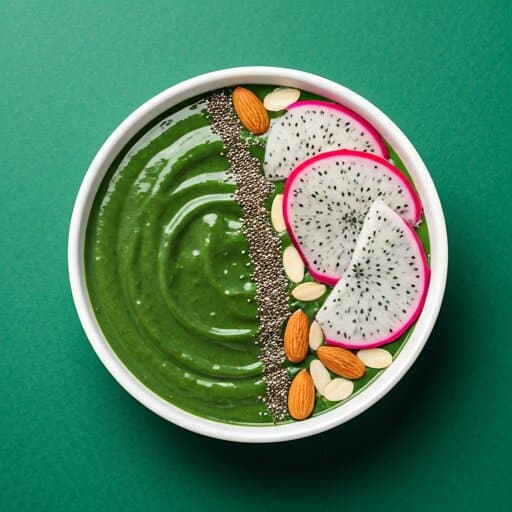
Spirulina Smoothie Bowls: A Weekly Meal Prep Guide
A practical guide to building spirulina into a weekly smoothie bowl routine — including prep tips, flavour pairings, and realistic…
Spirulina and Allergies: What to Watch For
Spirulina is generally well tolerated, but genuine allergic reactions and sensitivities do occur. Here's what to watch for and who…

How Spirulina Is Farmed: From Pond to Powder
A behind-the-scenes look at how spirulina actually gets from a cultivation pond to the powder in a supplement jar.