Detoxification Myths vs. Facts: The Spirulina Truth
Related Reading
- our Spirulina guide
- 10 Creative Ways to Add Spirulina to Your Kerala Diet
- Growing Spirulina at Home: Is It Feasible in Kerala?
Medical Disclaimer: The information provided here is for educational purposes only and is not intended as medical advice. Your body detoxifies itself naturally through the liver and kidneys. Spirulina is a nutrient-dense dietary supplement that can support these functions but should not replace professional medical treatment or a balanced diet.
"Detox" has become one of the most overused and misunderstood words in wellness marketing. Let's separate what's actually supported by how the body works from what's mostly marketing language.
Myth: "You need a 7-day juice cleanse to 'reset' your organs."
Your liver and kidneys detoxify continuously, around the clock — they don't need a special "reset" to function. In fact, liquid-only diets often lack the fibre and protein required to properly support Phase II liver detoxification (the stage where the liver packages waste products for elimination). Spirulina, by contrast, provides amino acids that can support these ongoing natural pathways as part of a normal diet — it works with your body's existing systems rather than replacing them with a crash diet.
Myth: "Spirulina magically flushes toxins from your blood."
Spirulina doesn't "flush" the bloodstream in any literal sense. What research does support is more modest: certain compounds in spirulina, including phycocyanin and chlorophyll, have been studied for their ability to bind to certain heavy metals in the digestive tract, which may reduce their absorption — this is a supportive, preventive mechanism, not an active blood-cleansing process.
Myth: "More is always better — take a large dose for a stronger detox effect."
This isn't how spirulina, or most nutrients, work. Beyond a certain intake level (typically a few grams daily for spirulina), additional amounts don't provide proportionally more benefit, and very high doses can cause digestive discomfort. Consistent, moderate daily intake is more aligned with how spirulina's compounds are understood to work than occasional large doses.
Myth: "If you don't feel different immediately, it's not working."
Nutrient-density supplements like spirulina generally work by supporting ongoing bodily processes over time, not by producing an immediate, noticeable sensation the way a stimulant would. Absence of an immediate feeling isn't evidence of ineffectiveness — it's simply how this category of supplement typically works.
The Power of Chlorophyll
Often called "green blood" due to a structural similarity to haemoglobin, chlorophyll in Spirulina has been studied for a few specific roles:
Chelation Support
Some research suggests chlorophyll and phycocyanin may interact with certain heavy metals like lead and mercury in the digestive tract, potentially reducing their bioavailability. This research is still developing and shouldn't be relied upon as a treatment for heavy metal exposure, which requires medical evaluation.
Supporting Healthy Blood Function
Spirulina's iron and B-vitamin content supports the body's own red blood cell production process, which is relevant to oxygen delivery throughout the body — though this is a nutritional support role, not a distinct "oxygenation" mechanism beyond what a nutrient-adequate diet already provides.
Antioxidant Activity
Compounds in spirulina, including phycocyanin, have been studied for their ability to help neutralise free radicals generated during the liver's natural detoxification processes — complementing, rather than replacing, the body's own antioxidant systems.
What Actually Supports Healthy Detoxification
Rather than looking for a single "detox" product, the practices with the strongest evidence behind supporting your body's natural detox pathways are fairly unglamorous: adequate hydration, sufficient dietary fibre, adequate protein intake, regular physical activity, and adequate sleep. Spirulina can be a genuinely useful addition to a diet that already includes these fundamentals — it's not a substitute for them.
Frequently Asked Questions
Is there any legitimate medical "detox" product?
For most healthy people, no over-the-counter product provides a meaningful "detox" beyond what a well-functioning liver and kidneys already do continuously. The exception is medically supervised treatment for specific toxic exposures or organ dysfunction, which is a clinical intervention, not a wellness product.
Should I stop eating normally during a "cleanse"?
Extended fasting or juice-only diets aren't necessary for detoxification and can actually work against the liver's Phase II detox pathway, which requires adequate protein. A balanced, whole-food diet supports these processes better than restrictive cleanses.
Can spirulina help with heavy metal exposure I'm concerned about?
If you have a genuine concern about heavy metal exposure, that requires medical testing and, if confirmed, medical treatment — not a supplement-based approach. Spirulina's chelation-supportive properties are an area of ongoing research, not an established treatment for diagnosed heavy metal toxicity.
More in the Library
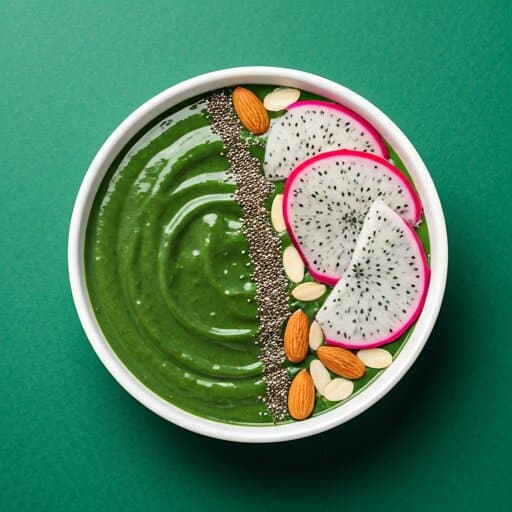
Spirulina Smoothie Bowls: A Weekly Meal Prep Guide
A practical guide to building spirulina into a weekly smoothie bowl routine — including prep tips, flavour pairings, and realistic…
Spirulina and Allergies: What to Watch For
Spirulina is generally well tolerated, but genuine allergic reactions and sensitivities do occur. Here's what to watch for and who…

How Spirulina Is Farmed: From Pond to Powder
A behind-the-scenes look at how spirulina actually gets from a cultivation pond to the powder in a supplement jar.