The Protein Gap in Vegetarian Kerala Diets
A meaningful number of vegetarian diets, including in Kerala, quietly fall short on protein — not because vegetarian protein sources don't exist, but because traditional meal planning doesn't always deliberately account for protein the way it should.
Why the Gap Happens
Rice-heavy meals with modest legume portions can look complete while actually providing less protein than a person needs, particularly for older adults, growing children, or physically active people, whose protein needs are proportionally higher than a typical modest dal serving provides.
Kerala-Available Vegetarian Protein Sources
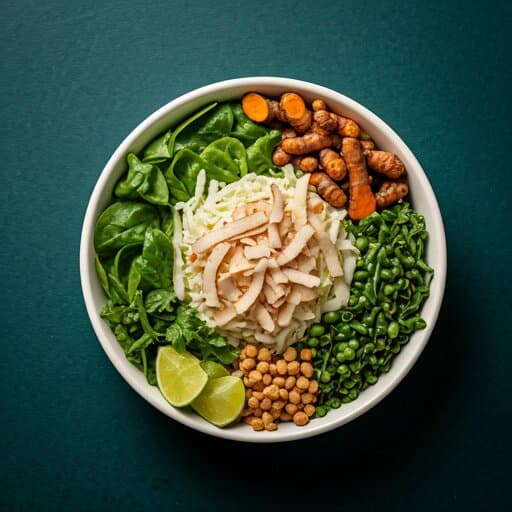
Legumes (various dals, chickpeas, black-eyed peas), dairy (curd, paneer), nuts and seeds, and spirulina all offer meaningful vegetarian protein and are readily available across Kerala. Combining grains and legumes in the same meal (rice and dal, for instance) also provides a more complete amino acid profile than either eaten alone.
A Practical Approach
Rather than tracking protein grams precisely, a simpler practical rule is ensuring a visible legume, dairy, or protein-dense component appears in most meals — not just occasionally — rather than treating rice and vegetables as sufficient on their own.
Who Should Pay Particular Attention
Older adults (who need more protein to maintain muscle mass), children in growth phases, and physically active adults are the groups most likely to be affected by an under-recognised protein gap, and are worth being more deliberate about protein intake specifically.
Frequently Asked Questions
How much protein does a typical adult need daily?
General guidance suggests roughly 0.8g per kg of body weight for a sedentary adult, higher for older adults or active individuals — a registered dietitian can give more personalised guidance.
Can spirulina alone close a protein gap?
Not entirely on its own, given its modest per-serving protein content — it works better as one contributor among several protein sources rather than a sole solution.
Is dairy necessary to meet vegetarian protein needs?
No — legumes, nuts, and seeds can provide adequate protein without dairy, though dairy is a convenient, widely available option for those who consume it.
Related Reading
- Building a Balanced Thali: A Practical Nutrition Framework
- Fermented Foods in Traditional Kerala Cooking
Medical Disclaimer: This article is for general educational purposes and is not medical advice. Consult a qualified healthcare professional before making changes to your diet, supplement routine, or lifestyle.
More in the Library
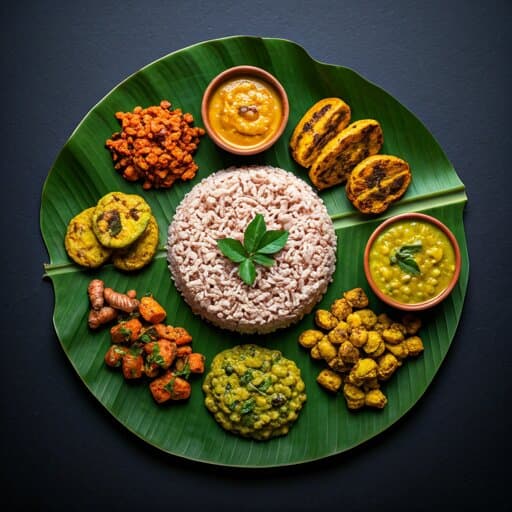
Building a Balanced Thali: A Practical Nutrition Framework
A practical, visual framework for building a nutritionally balanced everyday Kerala thali, without needing to count calories or ma…

Sugar in Disguise: Hidden Sugars in 'Healthy' Kerala Snacks
Several snacks marketed or perceived as healthy in Kerala actually carry meaningful hidden sugar content. Here's what to watch for…

Micronutrient Gaps Common in South Indian Diets
Even a generally healthy South Indian diet can have specific, common micronutrient gaps. Here's what research points to, and pract…