The Power of Antioxidants: Why Your Body Craves Natural Protection

Understanding the Oxidative Battlefield
At every moment, your body is managing a constant balancing act. Free radicals — unstable molecules produced by stress, pollution, sun exposure, and even normal metabolism — can damage cells if left unchecked. Antioxidants are compounds that neutralise these free radicals by donating electrons to stabilise them, helping prevent the cumulative cellular damage known as oxidative stress.
Oxidative stress has been studied in connection with premature skin ageing, fatigue, and long-term cellular wear — which is why "antioxidant-rich" has become such a common phrase in nutrition, even if it's often used loosely in marketing rather than with real specificity about which compounds are actually present.
Ganoderma Lucidum
- Triterpenoids: Bitter-tasting compounds studied for their role in modulating immune response and reducing lipid peroxidation (a marker of cell membrane oxidative damage).
- Polysaccharides: Beta-glucan compounds that research suggests may support the body's natural antioxidant enzyme activity, including Superoxide Dismutase (SOD), one of the body's own primary antioxidant defences.
Spirulina Platensis
- Phycocyanin: The pigment-protein compound responsible for spirulina's distinctive blue-green colour, studied for its antioxidant and anti-inflammatory properties.
- Beta-Carotene: Present in significantly higher concentration than in carrots, and important for cellular repair processes and vision health.
Whole-Food Sources vs. Isolated Antioxidant Supplements
It's worth understanding an important distinction in antioxidant nutrition: isolated single-compound supplements (like a standalone Vitamin C or Vitamin E tablet) behave differently in the body than antioxidants consumed as part of a whole food or whole-food extract, where multiple compounds work alongside each other — sometimes called the "entourage effect." This is one reason whole-food-based sources like Ganoderma extracts and Spirulina are often preferred by nutrition-focused wellness practitioners over single-molecule antioxidant pills.
Practical Ways to Increase Antioxidant Intake in a Kerala Diet
Beyond supplements, many everyday foods common in Kerala kitchens are genuinely rich in antioxidants:
- Turmeric (manjal): Curcumin, its primary active compound, is one of the most researched dietary antioxidants available.
- Amla (Indian gooseberry): Exceptionally high in Vitamin C and traditional in Ayurvedic preparations.
- Black pepper: Contains piperine, which some research suggests may also enhance the absorption of other antioxidants like curcumin.
- Coconut (in moderation): Contains polyphenols, alongside its more commonly discussed fat content.
- Local leafy greens like moringa (muringa) leaves, which are unusually nutrient-dense for a widely available, inexpensive vegetable.
How Much Is Enough?
There's no single "recommended daily antioxidant dose," since antioxidant capacity isn't measured or regulated the way vitamins are. The more practical, evidence-aligned approach is eating a varied diet with regular servings of colourful vegetables, fruits, and spices — supplementing with concentrated sources like Ganoderma or Spirulina extracts as an addition to that foundation, not a replacement for it.
Frequently Asked Questions
Can you get too many antioxidants?
For most people eating whole foods, no — the body handles a wide range of intake well. Very high-dose isolated antioxidant supplements are where caution is more warranted, since some research has raised questions about whether extremely high doses of certain isolated antioxidants (in supplement form) could interfere with the body's own beneficial use of oxidative signalling in specific contexts. Whole-food sources don't typically raise this concern at normal dietary levels.
Do cooking methods affect antioxidant content?
Yes, significantly. Some antioxidants (like Vitamin C) degrade with high heat, while others (like the curcumin in turmeric) may actually become more bioavailable when cooked with fat and black pepper. This is part of why traditional Kerala cooking techniques — combining turmeric, pepper, and coconut oil — may offer more than just flavour benefits.
Are supplement antioxidant claims reliable?
Not always. "Antioxidant-rich" is a widely used marketing phrase that isn't independently regulated the way a specific nutrient claim (like Vitamin C content) would be. Look for products that specify which compounds are present and in what tested quantity, rather than relying on the word "antioxidant" alone.
Scientific References
- Wachtel-Galor S, et al. "Ganoderma lucidum (Lingzhi or Reishi): A Medicinal Mushroom." Herbal Medicine: Biomolecular and Clinical Aspects, 2nd edition.
- Karkos PD, et al. "Spirulina in Clinical Practice: Evidence-Based Human Applications." Evidence-Based Complementary and Alternative Medicine.
- Sies H. "Oxidative stress: a concept in redox biology and medicine." Redox Biology Journal.
Related Reading
- Building a Balanced Thali: A Practical Nutrition Framework
- Fermented Foods in Traditional Kerala Cooking
Medical Disclaimer: This article is for general educational purposes and is not medical advice. Consult a qualified healthcare professional before making changes to your diet, supplement routine, or lifestyle.
More in the Library
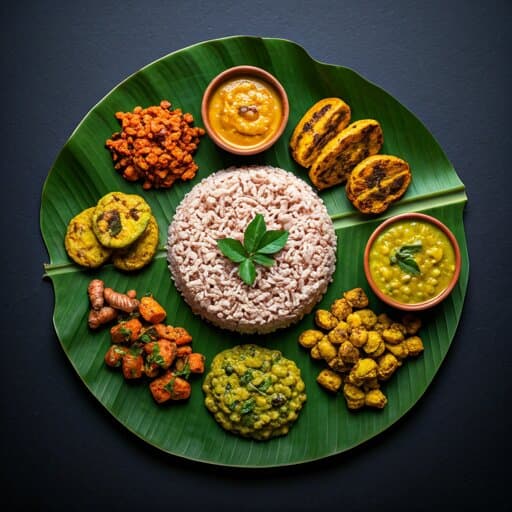
Building a Balanced Thali: A Practical Nutrition Framework
A practical, visual framework for building a nutritionally balanced everyday Kerala thali, without needing to count calories or ma…

Sugar in Disguise: Hidden Sugars in 'Healthy' Kerala Snacks
Several snacks marketed or perceived as healthy in Kerala actually carry meaningful hidden sugar content. Here's what to watch for…
Micronutrient Gaps Common in South Indian Diets
Even a generally healthy South Indian diet can have specific, common micronutrient gaps. Here's what research points to, and pract…