
Moringa: Why This Kerala Native Is Called the 'Miracle Tree'
Long before "superfood" became a marketing term, Malayali households were already growing one in the backyard. Moringa oleifera — known locally as Muringa — is the tree behind the drumsticks in your sambar and the leaves in a simple thoran, and it happens to sit at the centre of a growing body of nutritional research.
A Genuinely Dense Nutritional Profile
Gram for gram, moringa leaf powder compares favourably with several foods more commonly associated with high nutrient density, including iron-rich leafy greens and vitamin C sources like citrus fruit. It's a good source of plant protein, calcium, potassium, and vitamin A, alongside a range of antioxidant plant compounds.
It's worth being precise here: "more nutrient-dense per gram" refers to dried leaf powder, which is far more concentrated than a serving of fresh leaves or a bowl of spinach. The comparison is genuinely favourable, but it isn't a reason to treat moringa powder as a replacement for a varied diet rather than an addition to one.
Traditional Use vs. Modern Supplementation
How Kerala Kitchens Have Used It
Muringa-ila thoran (stir-fried leaves) and drumstick curries have long been part of a seasonal, whole-food approach to nutrition — cooked fresh, in modest quantities, alongside other vegetables.
How It's Sold Today
Modern moringa supplementation usually takes the form of cold-pressed leaf powder or standardised capsules, aimed at people who want the nutritional profile without needing fresh leaves on hand year-round.
Both approaches have a place. Fresh-leaf cooking fits naturally into an existing diet; powder is a practical way to get consistent amounts when fresh moringa isn't available.
Moringa and Spirulina Together
Moringa and spirulina are sometimes paired, since they bring different strengths — moringa's broader vitamin and mineral spread alongside spirulina's protein and phycocyanin content. There's reasonable nutritional logic to combining two complementary whole foods, though "synergy" claims beyond that should be read as a general dietary principle rather than a specific, clinically proven effect of the combination.
Practical Ways to Add Moringa
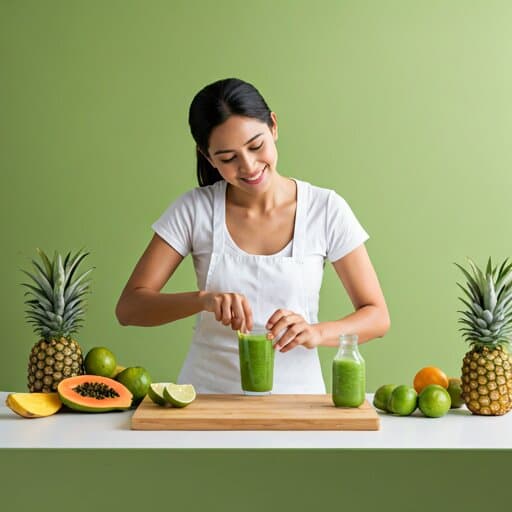
- Morning smoothies — a small amount of moringa powder blends well into a fruit or green smoothie.
- Soups and dal — whisk powder in just before serving, since prolonged high heat can degrade some heat-sensitive nutrients.
- Moringa tea — steeping dried leaves for a few minutes makes a mild, earthy infusion.
Start with small amounts (a teaspoon or less) if you're new to moringa powder, since introducing any new concentrated plant food quickly can occasionally cause mild digestive adjustment.
Frequently Asked Questions
Is moringa powder as good as fresh leaves?
They serve different purposes. Powder is more concentrated and convenient; fresh leaves, cooked traditionally, provide the same nutrients within a broader, more balanced meal. Neither is strictly "better" — they suit different situations.
Can moringa replace a multivitamin?
It's a nutrient-dense whole food, not a substitute for medical advice or a prescribed supplement regimen. Anyone with a diagnosed deficiency should follow their doctor's guidance rather than relying on moringa alone.
Is moringa safe during pregnancy?
Pregnant or breastfeeding women should check with their doctor before adding any new supplement, including moringa, since some traditional sources advise caution around specific plant parts (such as the root and bark) during pregnancy.
Related Reading
- Building a Balanced Thali: A Practical Nutrition Framework
- Fermented Foods in Traditional Kerala Cooking
Medical Disclaimer: This article is for general educational purposes and is not medical advice. Consult a qualified healthcare professional before making significant changes to your diet or starting a new supplement, particularly if you are pregnant, breastfeeding, or managing an existing health condition.
More in the Library
Building a Balanced Thali: A Practical Nutrition Framework
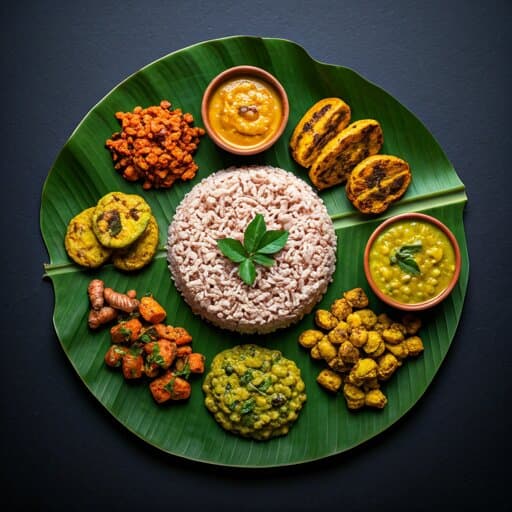
A practical, visual framework for building a nutritionally balanced everyday Kerala thali, without needing to count calories or ma…

Sugar in Disguise: Hidden Sugars in 'Healthy' Kerala Snacks
Several snacks marketed or perceived as healthy in Kerala actually carry meaningful hidden sugar content. Here's what to watch for…

Micronutrient Gaps Common in South Indian Diets
Even a generally healthy South Indian diet can have specific, common micronutrient gaps. Here's what research points to, and pract…