
Mindful Eating: A Guide for the Modern Malayali
The Sensory Connection: Eating with Hands
In the fast-paced lanes of Kochi or the tech hubs of Thiruvananthapuram, many households have shifted toward forks and quicker, more convenient meals. However, the traditional practice of eating with hands is, in a genuine sense, one of the more effective mindful eating tools available.
When fingertips touch food, sensory nerve endings send signals to the brain about temperature, texture, and consistency before the first bite is even taken. This is related to what's sometimes called the "cephalic phase" of digestion -- the body's anticipatory digestive response triggered by sensory cues like smell, sight, and touch, which can help prepare the digestive system for the meal ahead.
- Tactile engagement encourages a slower, more attentive eating pace.
- Direct interaction with food makes "autopilot," distracted eating measurably harder.
The Sadya as a Mindful Eating Template
A traditional Sadya -- Kerala's elaborate banana-leaf feast -- is, structurally, a genuine masterclass in nutritional variety and balance, even though it wasn't designed with modern "mindful eating" language in mind:
- Ginger (inji) for digestive support
- Fibre-rich red rice
- Fermented probiotics in curd
- Antioxidant-rich coconut in multiple preparations
Spices as More Than Flavour
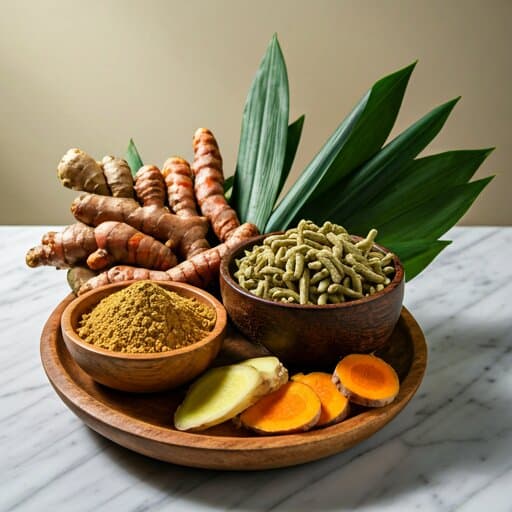
Malayali cuisine's characteristic spices -- black pepper, turmeric, cumin -- aren't included purely for taste; many have documented digestive and bioavailability-related roles (turmeric's curcumin absorption is enhanced by black pepper's piperine, for example). Practicing mindfulness at meals means paying attention to how these spices and dishes actually make your body feel afterward, not just how they taste in the moment.
Navigating Festival Season Without Losing Balance
From Onam gatherings to Kochi wedding feasts, social pressure to overeat during celebrations is a real, common experience. One practical approach: savour the genuine pleasure of a festive meal and social occasion without treating quantity as the measure of how much you're enjoying it -- slowing down and genuinely tasting a smaller portion often satisfies more than rushing through a larger one.
A Simple Mealtime Ritual Checklist
A few practices that turn an ordinary meal into a more mindful one:
Washing Before Eating
Washing hands (and, traditionally, feet) before a meal is more than hygiene -- it's a small sensory transition that signals the start of a dedicated eating period, rather than continuing directly from other activity.
Floor Seating (Sukhasana)
Sitting cross-legged on the floor for meals, where practical, is a traditional posture that some believe supports digestion through the seated position itself -- while robust research specifically on this is limited, it's a low-cost practice worth trying if it's culturally familiar to you.
A Screen-Free Meal
Removing phones and television during meals allows fuller attention to the food itself -- its aroma, colour, and texture -- rather than dividing attention between eating and a screen, which research on mindful eating broadly associates with reduced awareness of fullness cues.
A Brief Gratitude Pause
Taking a few seconds before eating to acknowledge the meal's source -- the farmers, Kerala's soil, and the effort of whoever prepared it -- is a simple practice that some find helps shift into a more present, appreciative eating mindset.
Frequently Asked Questions
Is eating with hands actually more hygienic or less hygienic than using utensils?
With proper handwashing beforehand, eating with hands is not inherently less hygienic than using utensils -- the key hygiene factor is handwashing, not the eating method itself.
Do I need to follow all of these practices to eat more mindfully?
No -- even adopting one or two, like removing screens during meals or taking a brief pause before eating, can meaningfully shift eating awareness. These practices work well individually, not only as a complete set.
Is mindful eating primarily about weight management?
Not necessarily -- while mindful eating can support healthier portion awareness, its core value is a better relationship with food and eating, including for people with no specific weight-related goal.
Do these practices apply to non-Malayali households across India too?
Yes -- while this article frames the practices through specifically Malayali traditions (Sadya, eating with hands, floor seating), the underlying mindful eating principles are the same across India's many regional food cultures, each of which has its own equally valid traditional practices worth reconsidering.
Related Reading
- Building a Balanced Thali: A Practical Nutrition Framework
- Fermented Foods in Traditional Kerala Cooking
Medical Disclaimer: This article is for general educational purposes and is not medical advice. Consult a qualified healthcare professional before making changes to your diet, supplement routine, or lifestyle.
More in the Library
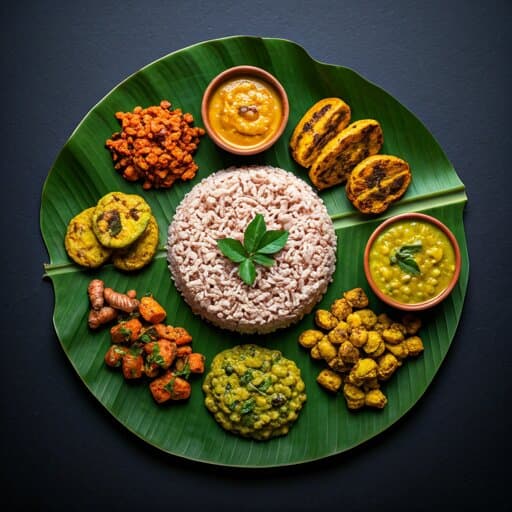
Building a Balanced Thali: A Practical Nutrition Framework
A practical, visual framework for building a nutritionally balanced everyday Kerala thali, without needing to count calories or ma…

Sugar in Disguise: Hidden Sugars in 'Healthy' Kerala Snacks
Several snacks marketed or perceived as healthy in Kerala actually carry meaningful hidden sugar content. Here's what to watch for…

Micronutrient Gaps Common in South Indian Diets
Even a generally healthy South Indian diet can have specific, common micronutrient gaps. Here's what research points to, and pract…