
Millets Making a Comeback: Kerala's Forgotten Grains

Before rice became the dominant staple across much of Kerala, millets were a considerably more common part of the traditional diet — and they're now experiencing a genuine resurgence, driven by both nutritional interest and renewed appreciation for traditional food diversity.
Why Millets Faded From Everyday Use
Rice cultivation expansion, improved rice availability, and shifting taste preferences over recent decades gradually pushed millets out of everyday Kerala cooking, despite their earlier historical prevalence in parts of the state.
What Millets Nutritionally Offer
Compared to polished white rice, most millet varieties offer higher fibre content, a generally lower glycemic index, and in some cases meaningfully higher protein and micronutrient content — a genuinely favourable nutritional comparison, not just a trend-driven claim.
Common Millet Varieties Available Today
Finger millet (ragi), foxtail millet, and little millet are among the varieties increasingly available in Kerala markets, usable in forms ranging from porridge to dosa batter to rice substitutes in everyday meals.
A Practical Way to Reintroduce Millets
Rather than fully replacing rice, gradually substituting millets for rice in some meals each week — a millet dosa here, a millet-rice mix there — is a realistic, sustainable way to increase dietary diversity without a jarring, all-or-nothing dietary change.
Frequently Asked Questions
Are millets suitable for people with diabetes?
Their generally lower glycemic index makes them a reasonable consideration, though anyone with diagnosed diabetes should discuss specific dietary planning with their doctor or dietitian.
Do millets taste very different from rice?
Yes, noticeably — most millets have a distinct, slightly nuttier flavour and different texture, which is part of why a gradual introduction (rather than an abrupt full switch) tends to work better for most households.
Are millets gluten-free?
Most common millet varieties are naturally gluten-free, making them a reasonable option for people avoiding gluten, though cross-contamination during processing is worth checking for those with celiac disease specifically.
Related Reading
- Building a Balanced Thali: A Practical Nutrition Framework
- Fermented Foods in Traditional Kerala Cooking
Medical Disclaimer: This article is for general educational purposes and is not medical advice. Consult a qualified healthcare professional before making changes to your diet, supplement routine, or lifestyle.
More in the Library
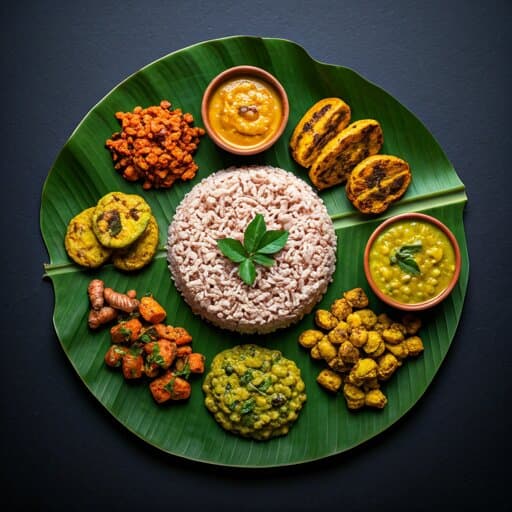
Building a Balanced Thali: A Practical Nutrition Framework
A practical, visual framework for building a nutritionally balanced everyday Kerala thali, without needing to count calories or ma…

Sugar in Disguise: Hidden Sugars in 'Healthy' Kerala Snacks
Several snacks marketed or perceived as healthy in Kerala actually carry meaningful hidden sugar content. Here's what to watch for…

Micronutrient Gaps Common in South Indian Diets
Even a generally healthy South Indian diet can have specific, common micronutrient gaps. Here's what research points to, and pract…