
Whole Foods vs. Isolated Nutrients: Why the Matrix Matters

Nutritional science spent much of the twentieth century trying to isolate the "active" compound in foods — vitamin C from citrus, beta-carotene from carrots — on the assumption that a concentrated, purified form would work at least as well as the whole food. In several well-documented cases, the isolated version has performed less predictably than expected.
What the "Food Matrix" Actually Means
A food matrix refers to the full physical and chemical environment a nutrient naturally exists within — the fibre, enzymes, and hundreds of accompanying micro-compounds that surround a given vitamin or mineral inside a whole food. Some research suggests this surrounding matrix can influence how efficiently a nutrient is absorbed and used, rather than the nutrient acting as an isolated chemical event in the body.
This doesn't mean every isolated supplement is ineffective — many are well-absorbed and genuinely useful, particularly for diagnosed deficiencies where a doctor has recommended a specific dose. It does mean that "contains X nutrient" on a label isn't the whole story; the source and surrounding compounds matter too.
A General Comparison
| Feature | Whole-Food Source | Isolated Supplement |
|---|---|---|
| Surrounding cofactors | Numerous, naturally occurring | Typically absent |
| Dosing precision | Variable, harder to standardise | Precise, consistent |
| Best suited for | General daily nutrition | Diagnosed deficiencies, doctor-guided dosing |
Neither column is universally "better" — they suit different goals. Whole foods are generally the right foundation for everyday nutrition; targeted supplementation is often the right tool for a specific, identified need.
Where Ganoderma and Spirulina Fit
Foods like Ganoderma and spirulina are often discussed as "whole-food" style additions precisely because they carry a broad spectrum of naturally co-occurring compounds — triterpenoids and polysaccharides in Ganoderma, phycocyanin and amino acids in spirulina — rather than a single isolated active ingredient. This is part of why they're generally framed as nutritional additions to a diet, rather than as replacements for a specific isolated nutrient a doctor might prescribe.
A Balanced Takeaway
If you're building general daily nutrition, leaning toward whole foods and minimally processed sources is a reasonable, well-supported default. If you have a diagnosed deficiency or a specific condition, an isolated, precisely dosed supplement recommended by a doctor is often the more appropriate tool — the two approaches aren't in competition so much as suited to different situations.
Frequently Asked Questions
Does this mean multivitamins are a waste of money?
Not necessarily — multivitamins can be genuinely useful for people with limited dietary variety or diagnosed gaps. The point is that they complement, rather than replace, a whole-food-based diet.
Are "whole-food supplements" just marketing?
Not always — some products are genuinely made by concentrating whole foods rather than isolating a single compound, which is a meaningfully different manufacturing process. It's worth checking how a product is actually made rather than relying on the label term alone.
Should I stop taking a prescribed isolated supplement in favour of whole foods?
No — if a doctor has prescribed a specific supplement for a diagnosed condition or deficiency, that guidance should take priority over general dietary preferences.
Related Reading
Medical Disclaimer: This article discusses general nutritional concepts and is not medical advice. Consult a qualified healthcare professional before changing your diet or supplement routine, particularly if you have a diagnosed deficiency or medical condition.
More in the Library

The Truth About Detox Teas and Cleanses
Detox teas and juice cleanses are heavily marketed. Here's an honest, evidence-based look at what they actually do, and what the b…

Understanding Bioavailability: Why Quality Matters
Not all supplements are created equal. Discover why the path from ingestion to absorption is the most critical factor in your well…
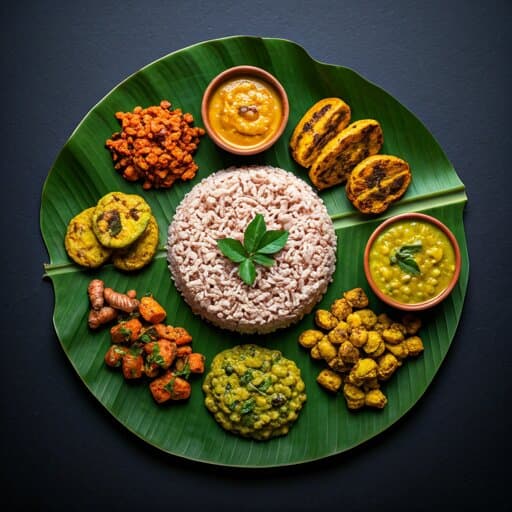
Building a Balanced Thali: A Practical Nutrition Framework
A practical, visual framework for building a nutritionally balanced everyday Kerala thali, without needing to count calories or ma…