
Wellness for the Aging Population in Kerala: Longevity & Joint Support
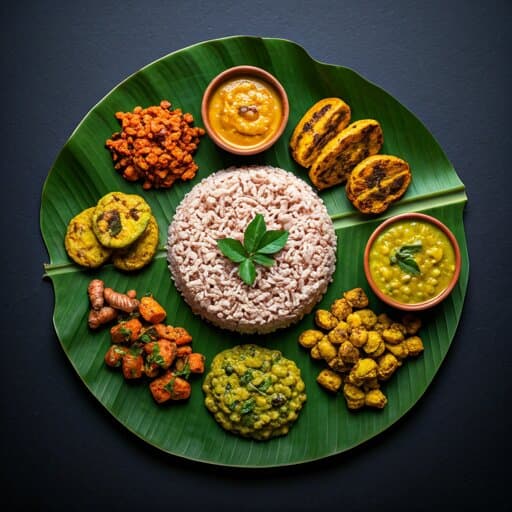
Addressing the Unique Needs of Kerala's Seniors
Kerala has traditionally had one of India's highest life expectancies, a genuine public health achievement -- but this also means the state faces the health considerations that come with a larger proportion of older adults, including chronic inflammation, seasonal joint stiffness (often worsened by Kerala's humidity), and cognitive health concerns that become more central for many families as parents and grandparents age.
Modern longevity thinking increasingly emphasises "adding life to years," not just years to life. Combining Kerala's traditional Ayurvedic foundations with well-researched nutritional additions like Spirulina and Ganoderma is one approach some families explore for supporting older relatives -- always alongside, never instead of, regular medical care appropriate for their age and health status.
Joint Health: Spirulina and Turmeric
Spirulina contains gamma-linolenic acid (GLA), an anti-inflammatory omega-6 fatty acid, alongside complete plant protein. Some research, including animal studies on spirulina and joint inflammation, has found reduced inflammatory markers in joint tissue following spirulina administration. Turmeric's curcumin is separately well-researched for its association with reduced inflammatory markers like C-reactive protein. Combining the two is a reasonable traditional-meets-modern approach, though it should complement, not replace, appropriate medical care for diagnosed joint conditions like arthritis.
- May support reduced morning stiffness for some individuals
- Relevant to mobility concerns during Kerala's humid seasons, when joint discomfort is commonly reported anecdotally
Ganoderma for Cognitive Support
For aging-related cognitive wellness, Ganoderma (Reishi) is traditionally used as an adaptogen. Some research has explored its association with sleep quality, which is itself relevant to cognitive health, since deep sleep plays a genuine, well-established role in memory processing and daytime cognitive function in older adults specifically.
A Simple Mobility Routine for Seniors
Consistency matters more than intensity for older adults building a movement habit. These simple daily movements support joint mobility without requiring high-impact activity:
Seated Spinal Twists
Supports spinal flexibility while remaining gentle on the lower back -- suitable even for those with limited mobility.
Ankle Rotations
Genuinely useful for balance and fall prevention, which is a significant safety concern on uneven or wet surfaces during Kerala's monsoon months.
Shoulder Shrugs and Rolls
Releases tension that accumulates from prolonged sitting or reading, common among older adults with more sedentary daily patterns.
A Simple Daily Longevity Checklist
- Sip warm water or tender coconut water throughout the day for consistent hydration.
- Consider a small amount of spirulina in morning kanji, if appropriate for the individual's health status -- check with a doctor first, especially for anyone on medication.
- Some people find a warm Ganoderma tea in the evening a helpful part of a wind-down routine.
- Aim for a short period of early morning sunlight exposure, both for mood and for supporting the body's own Vitamin D synthesis.
- Regular social interaction with family or community has genuine, well-documented associations with better health outcomes in older adults, independent of diet or supplementation.
Frequently Asked Questions
Are Spirulina and Ganoderma safe for elderly family members on multiple medications?
This is exactly the situation where checking with a doctor first matters most. Older adults are more likely to be on multiple medications, increasing the chance of an interaction (particularly with blood thinners or immunosuppressants). Never introduce a new supplement to an elderly family member's routine without medical guidance.
At what age should someone start thinking about joint-supportive nutrition?
There's no single "start age" -- joint health is influenced by decades of cumulative factors. That said, many people begin paying closer attention in their 50s and 60s as stiffness becomes more noticeable, though earlier attention to diet and movement generally supports better long-term outcomes.
Is Kerala's humidity actually linked to joint pain, or is that just perception?
Many people with arthritis report subjective changes in joint discomfort with weather and humidity shifts, and this is a commonly reported clinical observation, though the precise physiological mechanism isn't fully settled in research. It's a genuine, widely reported experience worth taking seriously even without a fully mapped-out mechanism.
Scientific References
- Ledon, N., et al. (2002). "Inhibitory effects of Spirulina in zymosan-induced arthritis in mice." Mediators of Inflammation.
- Wachtel-Galor, S., et al. (2011). "Ganoderma lucidum (Lingzhi or Reishi): A Medicinal Mushroom." In Herbal Medicine: Biomolecular and Clinical Aspects, 2nd edition. CRC Press.
Related Reading
- 10 Antioxidant-Rich Foods for the Kerala Kitchen
- Kerala's Traditional Oil Massage (Abhyanga): Benefits and Practice
Medical Disclaimer: This article is for educational purposes only and is not medical advice. Always consult a qualified healthcare professional before introducing any new supplement to an elderly family member's routine, particularly if they are on existing medication.
More in the Library

The Malayali Joint Family and Mental Wellbeing
Kerala's traditional joint family structure has genuine, researched links to mental wellbeing — alongside real modern tensions wor…

Coconut in Kerala Cuisine: Superfood or Overhyped?
Coconut is central to Kerala cooking and often marketed as a superfood elsewhere. Here's a genuinely balanced look at what the evi…
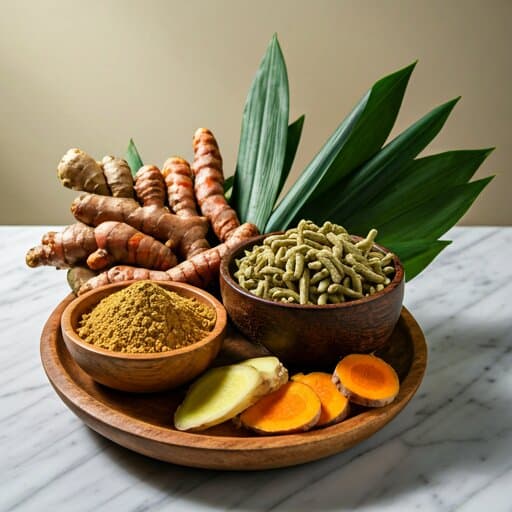
Kerala's Spice Garden Heritage and Everyday Wellness
Kerala's historic spice trade left a lasting culinary legacy. Here's how that heritage connects to genuinely useful everyday welln…