
10 Antioxidant-Rich Foods for the Kerala Kitchen
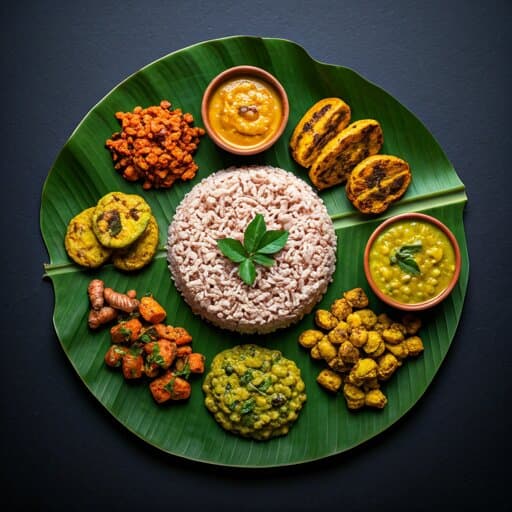
Discover the antioxidant power already present in traditional Kerala kitchen staples — and how they compare to more recently popularised additions like Ganoderma and Spirulina.
The Heritage of Health
Kerala's culinary tradition has long treated the kitchen as a first line of everyday wellness — the same spices that flavour a sambar or curry also carry genuinely well-documented antioxidant and anti-inflammatory properties.
Amla (Indian Gooseberry)
Amla contains substantially more Vitamin C by weight than oranges, and has long been central to Ayurvedic rejuvenation formulations. Its Vitamin C is notably more heat-stable than in many other fruits, meaning much of it survives traditional cooking and preservation methods. It also contains ellagic acid and gallic acid, both studied for their antioxidant properties.
Turmeric (Manjal)
Curcumin, turmeric's primary active compound, is one of the most extensively researched dietary antioxidants, studied for anti-inflammatory properties and, in some research, potential cardiovascular and cognitive benefits — though as with most dietary compounds, findings vary in strength across different study types.
Moringa (Muringa)
Nearly every part of the moringa tree is edible, and its leaves are notably rich in quercetin and chlorogenic acid, compounds studied for their role in blood sugar regulation, alongside a broader nutrient-dense profile.
Black Pepper
Known as the "King of Spices," black pepper contains piperine, which a well-documented 1998 human study found increases curcumin's bioavailability by roughly 2000% when the two are consumed together — part of why turmeric and black pepper are traditionally paired in Kerala cooking.
Ginger (Inji)
Gingerol, ginger's primary bioactive compound, is associated with anti-nausea and mild anti-inflammatory properties, and gives ginger its characteristic warming, thermogenic quality.
Curry Leaves
Rich in carbazole alkaloids, curry leaves have a traditional association with liver and digestive support, and are a genuine nutritional addition to meals beyond their aromatic role.
Clove (Grampoo)
Cloves are consistently among the highest-scoring spices on ORAC (Oxygen Radical Absorbance Capacity) scales — a laboratory measure of antioxidant capacity. It's worth noting that the USDA discontinued its public ORAC database in 2012 due to concerns that lab-measured ORAC values don't necessarily predict real-world physiological antioxidant effects in the body — so while cloves are genuinely antioxidant-rich, treat specific ORAC numbers as a rough comparative indicator rather than a precise health metric.
Considering Ganoderma and Spirulina Alongside Traditional Spices
Ganoderma and Spirulina are more recent additions to the Kerala wellness landscape, and some people incorporate them alongside — not instead of — traditional antioxidant-rich spices.
Ganoderma's polysaccharides and ginger's gingerols both have documented, independent associations with immune-related research, which is part of why some people find the pairing (Ganoderma tea with fresh ginger, for example) intuitive — though specific claims about a precisely quantified combined effect go beyond what current research can support.
Similarly, Spirulina's phycocyanin and Amla's Vitamin C are each independently well-documented antioxidants, and Vitamin C is separately known to enhance non-heme iron absorption from plant sources — a genuinely useful, well-established pairing for anyone using Spirulina partly for its iron content.
Mindful Shopping in Kochi and Beyond
A few practical tips for sourcing quality ingredients in Kerala markets:
- Choose small, firm, slightly yellowish amla berries, and avoid any with brown bruising, since they oxidise quickly once damaged.
- For turmeric, "Alleppey" turmeric is prized for its higher curcumin content for culinary use, while "Kasturi" turmeric (which is not meant for eating) is traditionally used for skin applications.
- Buy moringa leaves earlier in the day where possible — like most leafy greens, they lose some nutrient quality as they wilt after harvest.
Frequently Asked Questions
Do I need Ganoderma or Spirulina if I already eat a traditional Kerala diet rich in these spices?
Not necessarily — a genuinely traditional, spice-rich Kerala diet already provides substantial antioxidant intake. Ganoderma and Spirulina are additions some people choose for their specific additional properties (adaptogenic support and nutrient density respectively), not a requirement for antioxidant sufficiency.
Is cooking with these spices as effective as taking a supplement?
For most people, yes, and often more so — whole spices provide antioxidants alongside other beneficial compounds and are part of an overall dietary pattern, whereas isolated supplements provide a narrower profile. Both approaches have their place.
How much turmeric and black pepper should I use together for the bioavailability benefit?
There's no precisely established "optimal" ratio from the research, but traditional Kerala cooking already commonly combines the two in typical proportions used in everyday dishes — you don't need a special ratio beyond normal culinary use to benefit from the pairing.
Do these antioxidant-rich spices matter for people outside Kerala too?
Yes — turmeric, black pepper, ginger, and cloves are staples across most regional Indian cuisines, not just Kerala's. The specific dishes and preparations discussed here are Kerala-style, but the underlying antioxidant compounds and their benefits apply just as much to how these spices are used elsewhere in India.
Scientific References
- Gupta, S. C., et al. (2013). "Therapeutic Roles of Curcumin: Lessons Learned from Clinical Trials." The AAPS Journal, 15(1), 195–218.
- Shoba, G., et al. (1998). "Influence of piperine on the pharmacokinetics of curcumin in animals and human volunteers." Planta Medica, 64(4), 353–356.
Related Reading
- Coconut in Kerala Cuisine: Superfood or Overhyped?
- Kerala's Spice Garden Heritage and Everyday Wellness
Medical Disclaimer: This article is for educational purposes only and is not medical advice. Consult a qualified healthcare professional regarding any specific health condition or before making significant dietary changes.
More in the Library

Coconut in Kerala Cuisine: Superfood or Overhyped?
Coconut is central to Kerala cooking and often marketed as a superfood elsewhere. Here's a genuinely balanced look at what the evi…
Kerala's Spice Garden Heritage and Everyday Wellness
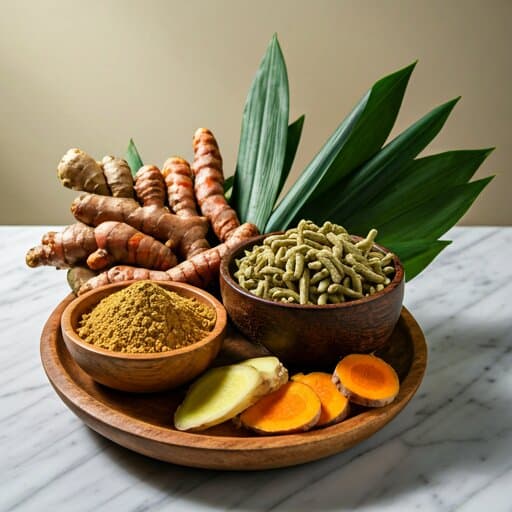
Kerala's historic spice trade left a lasting culinary legacy. Here's how that heritage connects to genuinely useful everyday welln…
Onam Sadhya: A Nutritional Look at Kerala's Festival Feast
The Onam sadhya is one of Kerala's most iconic culinary traditions. Here's a genuinely balanced nutritional look at what's on the …