
Onam Sadhya: A Nutritional Look at Kerala's Festival Feast
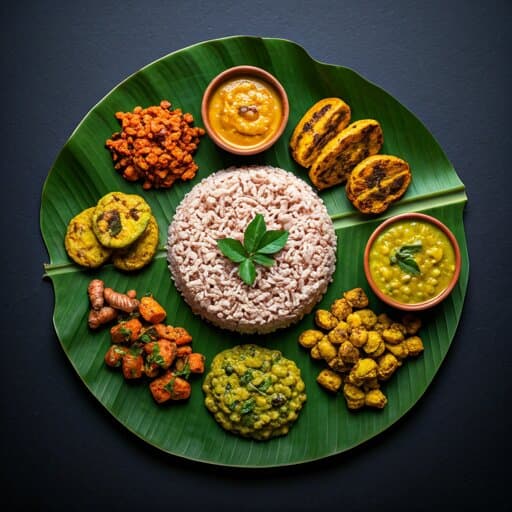
The Onam sadhya — a traditional multi-course vegetarian feast served on a banana leaf during Kerala's Onam festival — is one of the state's most celebrated culinary traditions. It's also, examined honestly, a genuinely interesting case study in traditional nutritional balance.
The Structural Logic of a Sadhya
A full sadhya typically includes rice as the central staple alongside a wide variety of vegetable preparations — sambar, avial, thoran, pachadi, and several others — representing considerably more dietary vegetable diversity in a single meal than most everyday eating patterns achieve.
Genuine Nutritional Strengths
The variety of vegetables, legumes (through sambar and parippu), and traditional fermented or cultured accompaniments (like curd-based pachadi) reflects a genuinely balanced, whole-food-forward meal structure, even before considering any specific health claims.
A Fair Note on Sweets and Portion
Sadhya traditionally concludes with payasam and other sweet preparations, and the overall meal — eaten as a celebratory feast rather than an everyday meal — is calorie-dense by design. This isn't a criticism; festival meals are reasonably understood as occasional, celebratory eating rather than a template for daily nutrition, and treating every meal like a sadhya would defeat the purpose of what makes it special.
A Balanced Takeaway
The sadhya's vegetable and legume diversity offers a genuinely useful template for everyday meal planning — more variety, not necessarily less rice — even if its festival-scale richness and dessert course are reasonably kept as an occasional indulgence rather than a daily pattern.
Frequently Asked Questions
Is a sadhya unhealthy?
Not inherently — its vegetable and legume diversity is genuinely strong; the main consideration is portion and frequency, as with any rich festival meal, rather than the meal's basic composition.
How many dishes does a traditional sadhya include?
Full traditional sadhyas can include upward of twenty individual preparations, though home versions are often more modest.
Can sadhya-style eating be adapted for everyday meals?
Yes — the core principle of pairing rice with a wide variety of vegetable preparations translates well into a simpler, everyday version without the full festival scale.
Related Reading
Medical Disclaimer: This article is for general educational purposes and is not medical advice. Consult a qualified healthcare professional before making changes to your diet, supplement routine, or lifestyle.
More in the Library

Coconut in Kerala Cuisine: Superfood or Overhyped?
Coconut is central to Kerala cooking and often marketed as a superfood elsewhere. Here's a genuinely balanced look at what the evi…
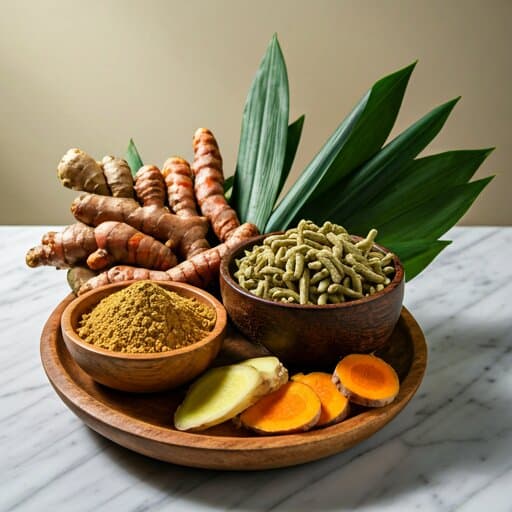
Kerala's Spice Garden Heritage and Everyday Wellness
Kerala's historic spice trade left a lasting culinary legacy. Here's how that heritage connects to genuinely useful everyday welln…

Kerala's Monsoon Diet: Traditional Foods for the Rainy Season
Kerala's extended monsoon season has shaped a specific traditional approach to diet, emphasising warming, immune-supportive foods.…