
Kerala's Spice Garden Heritage and Everyday Wellness
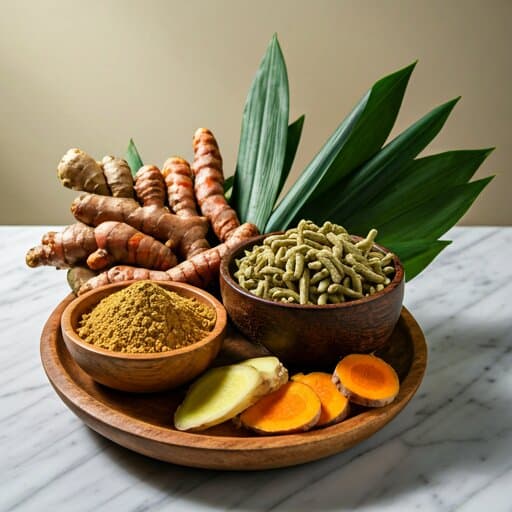
Kerala's historic identity as a global spice trade hub — black pepper, cardamom, cinnamon, and cloves drew traders for centuries — left more than a culinary legacy. Several of these spices carry genuine, independently studied wellness relevance beyond their historical trade value.
Black Pepper (Kurumulaku)
Beyond flavour, black pepper's piperine content is well-documented to enhance the absorption of other compounds, notably curcumin from turmeric — a genuinely useful, research-supported pairing already discussed elsewhere in relation to turmeric.
Cardamom (Elakka)
Cardamom has traditional use for digestive support, and some research has examined its compounds for general digestive and antioxidant properties, though — as with many individual spices — much of this research remains at an early or preliminary stage rather than large-scale clinical confirmation.
Cinnamon (Karugapatta)
Cinnamon has drawn research interest specifically around blood sugar metabolism, with some studies suggesting a modest supportive effect — again, an area requiring caution for anyone on diabetes medication, similar to the caution noted around Ganoderma and blood sugar.
Cloves (Grambu)
Traditionally used for oral and digestive comfort, cloves contain eugenol, a compound with documented antimicrobial properties studied largely in laboratory settings.
A Balanced Perspective
Kerala's spice heritage offers genuinely useful, everyday wellness value — not because these spices are miracle cures, but because they're well-integrated into the existing diet, reasonably well-researched compared to many trendier supplements, and easy to use in modest, culinary quantities without needing to be purchased as a separate specialty product.
Frequently Asked Questions
Are Kerala's traditional spices safer than supplement extracts?
Culinary-quantity spice use is generally very safe for most people; concentrated extracts of the same spices (like curcumin supplements) can have stronger effects and, in some cases, more relevant interaction risks with medication.
Which Kerala spice has the strongest research support?
Turmeric and black pepper's combined effect on curcumin absorption is among the more solidly documented findings discussed across wellness research relating to Kerala's traditional spices.
Can I get meaningful wellness benefits just from normal cooking?
Regular culinary use of these spices is a reasonable, low-risk way to incorporate their potential benefits, even without moving to concentrated supplement forms.
Related Reading
Medical Disclaimer: This article is for general educational purposes and is not medical advice. Consult a qualified healthcare professional before making changes to your diet, supplement routine, or lifestyle.
More in the Library

Coconut in Kerala Cuisine: Superfood or Overhyped?
Coconut is central to Kerala cooking and often marketed as a superfood elsewhere. Here's a genuinely balanced look at what the evi…
Onam Sadhya: A Nutritional Look at Kerala's Festival Feast
The Onam sadhya is one of Kerala's most iconic culinary traditions. Here's a genuinely balanced nutritional look at what's on the …

Kerala's Monsoon Diet: Traditional Foods for the Rainy Season
Kerala's extended monsoon season has shaped a specific traditional approach to diet, emphasising warming, immune-supportive foods.…