
Kerala's Traditional Oil Massage (Abhyanga): Benefits and Practice
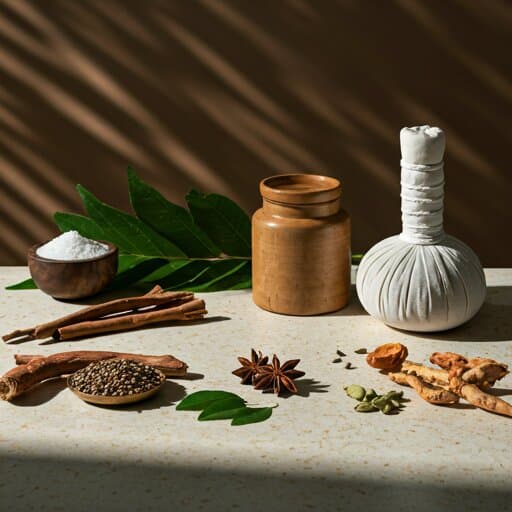
Abhyanga — traditional warm oil self-massage — is one of Kerala's most recognisable Ayurvedic practices, performed both as a daily home routine and as part of more elaborate spa and clinical Ayurvedic treatments.
What Abhyanga Actually Involves
Traditionally, abhyanga involves massaging warm herbal-infused oil (commonly sesame, coconut, or a medicated Ayurvedic oil) into the skin using long, firm strokes along the limbs and circular motions at joints, typically before bathing.
What's Traditionally Claimed
Ayurvedic tradition associates abhyanga with improved circulation, joint flexibility, skin nourishment, and a calming effect on the nervous system, often recommended as a regular practice rather than an occasional treat.
What Modern Research Suggests
Massage generally — not specific to Ayurvedic technique — has reasonably well-documented research support for stress reduction, improved circulation, and short-term relaxation benefits. Oil-based traditional techniques specifically have less dedicated modern research, though the general physiological benefits of massage and touch are genuinely supported.
A Simple At-Home Approach
A basic home version doesn't require professional training: warming a small amount of sesame or coconut oil, applying it to the skin, and massaging for several minutes before bathing captures much of the traditional practice's accessible form, even without a trained Ayurvedic practitioner.
Frequently Asked Questions
How often should abhyanga be done?
Traditional guidance often recommends daily practice, though even a few times a week is described as beneficial; frequency can reasonably be adjusted to what's sustainable.
Is any oil suitable, or does it need to be a specific Ayurvedic blend?
Plain sesame or coconut oil is a reasonable starting point for a basic home practice; medicated Ayurvedic oils are typically used for more specific, practitioner-guided treatment purposes.
Can abhyanga help with joint pain?
Traditional use associates it with joint comfort, and general massage research supports some benefit for musculoskeletal comfort, though anyone with a diagnosed joint condition should check with a doctor about whether massage is appropriate for their specific situation.
Related Reading
- Kalari Payattu and Physical Wellness: An Ancient Practice
- The Malayali Joint Family and Mental Wellbeing
Medical Disclaimer: This article is for general educational purposes and is not medical advice. Consult a qualified healthcare professional before making changes to your diet, supplement routine, or lifestyle.
More in the Library

The Malayali Joint Family and Mental Wellbeing
Kerala's traditional joint family structure has genuine, researched links to mental wellbeing — alongside real modern tensions wor…

Kalari Payattu and Physical Wellness: An Ancient Practice
Kalari Payattu, Kerala's ancient martial art, offers physical conditioning benefits beyond combat. Here's what it involves and off…
The Role of Yoga in Traditional Kerala Wellness
Yoga has deep roots in Kerala's wellness culture, often practiced alongside Ayurveda. Here's how it fits into a broader traditiona…