
Traditional Kerala Herbs vs. Modern Superfoods
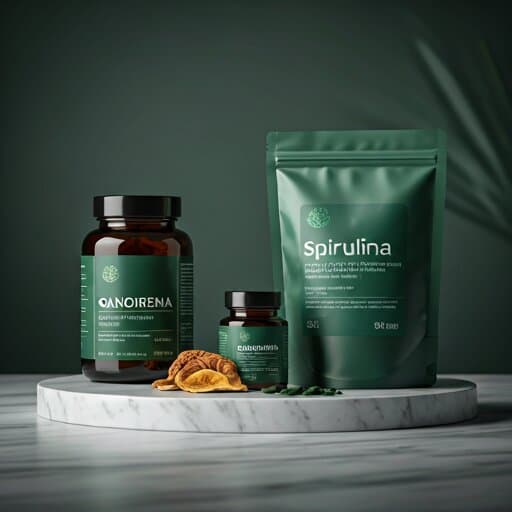
Discover the bridge between ancient Ayurvedic wisdom and modern nutritional science through a comparative lens on Kerala's traditional herbal staples and more recently popularised global "superfoods."
Three Traditions, One Underlying Idea
Long before "adaptogen" and "superfood" became marketing terms, Kerala's Ayurvedic tradition already had a well-developed vocabulary for substances that support the body's resilience over time — Rasayanas. It's worth looking at how these traditional herbs compare to more recently popularised additions like Ganoderma.
Brahmi (Bacopa monnieri)
Known traditionally in Kerala as the "Herb of Grace," Brahmi has a long history of use for supporting memory, cognitive function, and nervous system health. It remains a staple in classical Ayurvedic formulations and is still widely grown and used across Kerala households today. Modern research on Bacopa monnieri, its botanical name, has explored its potential cognitive-supportive properties, though — as with most botanical research — results are generally described as promising rather than conclusive.
Ashwagandha (Withania somnifera)
Called the "Strength of a Horse" in traditional use — a reference to its historical association with vitality and stamina — Ashwagandha is one of Ayurveda's most extensively used adaptogens, traditionally associated with helping the body manage stress and supporting overall vitality.
Ganoderma (Reishi)
Known as the "Mushroom of Immortality" in Chinese herbal tradition rather than Ayurveda specifically, Ganoderma is a more recent addition to the Kerala wellness landscape. Its introduction here reflects a broader, ongoing cross-pollination between Traditional Chinese Medicine and Ayurvedic wellness practice, rather than a historically native Kerala herb.
Comparing Traditional Roles
| Brahmi | Ashwagandha | Ganoderma | |
|---|---|---|---|
| Tradition | Ayurveda | Ayurveda | Traditional Chinese Medicine |
| Traditional role | Cognitive support, memory | Stress adaptation, vitality | Immune balance, stress resilience |
| Typical form in Kerala | Fresh leaf, powder, ghee preparations | Root powder, capsules | Extract powder, capsules, tea |
| Best taken | Morning | Evening or with meals | Evening, consistently |
Combining Traditions Thoughtfully
Some wellness practitioners in Kerala have started exploring combinations of traditional Ayurvedic herbs with newer additions like Ganoderma or Spirulina — for example, Ashwagandha alongside Spirulina for its combination of stress-adaptive and nutrient-dense properties, or Brahmi alongside Ganoderma for their shared association with focus and resilience.
It's worth being clear-eyed here: while these combinations are conceptually reasonable given each herb's traditional role, specific claims about precise, quantified "synergy effects" between them are not something current research can reliably support. Be cautious of any source citing very specific improvement percentages for herbal combinations — that level of precision generally isn't something well-designed studies on whole-herb combinations actually produce, and claims like that are more often marketing language than genuine research findings.
Two Simple Preparations
A Morning Green Bowl
- A small amount of spirulina powder
- Fresh Brahmi leaf, if available, or Brahmi powder
- Tender coconut water
- A pinch of cardamom
An Evening Wind-Down Brew
- Ganoderma extract powder, per product instructions
- Ashwagandha root powder
- Fresh tulsi (holy basil) leaves
- Honey to taste, once cooled slightly
Frequently Asked Questions
Is it safe to combine Ayurvedic herbs with Ganoderma?
Generally, yes, for healthy adults — but "generally safe" isn't the same as "no interaction possible." If you're on any prescription medication, particularly for blood pressure, blood sugar, or blood clotting, it's worth checking with a doctor or qualified Ayurvedic physician before combining multiple herbal supplements.
Are traditional Kerala herbs "better" than newer additions like Ganoderma?
Not necessarily — they serve different traditional purposes and come from different herbal systems. The more useful question is usually which specific effect you're looking for (cognitive support, stress adaptation, general resilience) rather than which tradition a herb comes from.
Where can I find quality Brahmi or Ashwagandha in Kerala or elsewhere in India?
Established Ayurvedic pharmacies, particularly those affiliated with recognised institutions (many of which have branches or ship across India, not just within Kerala), are generally a more reliable source than unverified online sellers, given the quality and authenticity concerns that can affect herbal products more broadly.
Related Reading
Medical Disclaimer: This article is for general educational purposes and is not medical advice. Consult a qualified healthcare professional before making changes to your diet, supplement routine, or lifestyle.
More in the Library

Coconut in Kerala Cuisine: Superfood or Overhyped?
Coconut is central to Kerala cooking and often marketed as a superfood elsewhere. Here's a genuinely balanced look at what the evi…
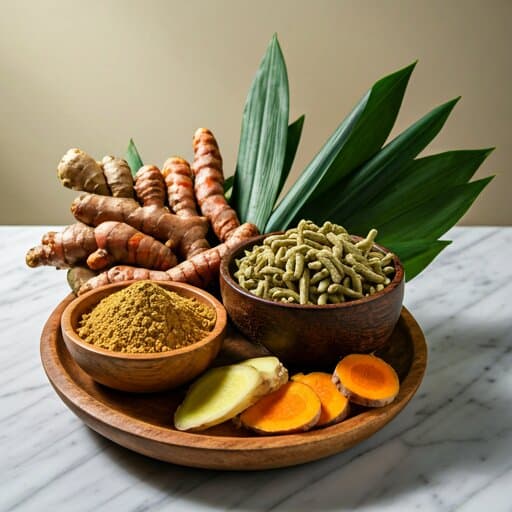
Kerala's Spice Garden Heritage and Everyday Wellness
Kerala's historic spice trade left a lasting culinary legacy. Here's how that heritage connects to genuinely useful everyday welln…
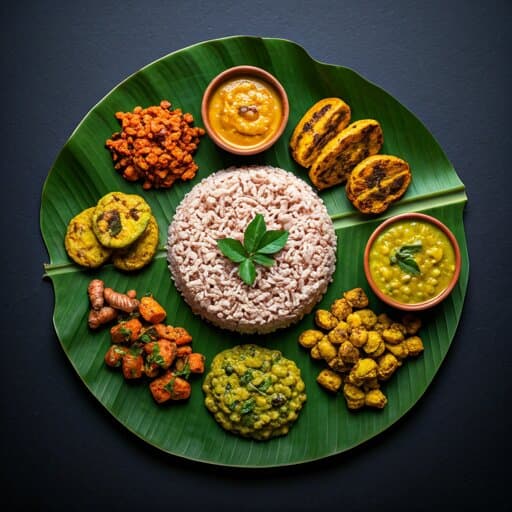
Onam Sadhya: A Nutritional Look at Kerala's Festival Feast
The Onam sadhya is one of Kerala's most iconic culinary traditions. Here's a genuinely balanced nutritional look at what's on the …