
The Importance of Seasonal Living in Kerala's Climate
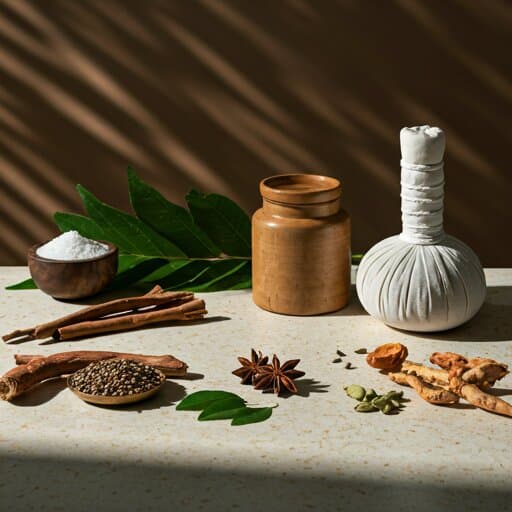
In the heart of South India, Kerala's climate moves through a rhythmic cycle of two monsoons and a distinct summer season. This meteorological pattern gave rise to a sophisticated traditional system of seasonal wellness -- Ritucharya, part of Ayurvedic practice -- which holds that aligning diet and lifestyle with seasonal change supports better internal balance than a static, unchanging routine year-round.
Karkidaka: The Monsoon Rejuvenation Period
Karkidakam, the traditional "month of rain" (roughly mid-July to mid-August), is considered a particularly significant time for seasonal wellness practice in Kerala.
Karkidaka Kanji
A traditional medicinal porridge prepared with a specific blend of herbs, Njavara rice, and coconut milk, Karkidaka Kanji is traditionally taken to support digestion and immunity during the monsoon months, when digestive fire (Agni) is traditionally considered to be at its weakest due to the cold, damp conditions.
Sukha Chikitsa
The increased atmospheric humidity during Karkidakam is traditionally considered to make skin more receptive to absorption, which is part of why this period is favoured for Ayurvedic oil massage and related treatments intended to support the body's natural elimination processes.
Hydration and Cooling Foods for Warmer Months
As the seasons shift toward warmer months, traditional practice shifts focus toward Pitta-balancing, cooling foods and preparations. One of the most distinctive is Pathimukham.
The Pathimukham Tradition
Made from the heartwood of the Sappan tree, this naturally pink-tinted water is a traditional Kerala preparation associated with cooling properties, commonly consumed during the hotter months.
Kerala's Six Traditional Seasons (Ritus)
Ayurvedic tradition divides the year into six seasons, each with associated dietary and lifestyle guidance:
Vasantha (Spring)
Traditionally considered a natural detoxification phase -- lighter meals, reduced heavy fats, and lightly spiced lentils are favoured.
Greeshma (Summer)
A cooling focus -- buttermilk, tender coconut water, and cooling pastes like sandalwood are traditionally emphasised.
Varsha (Monsoon)
Traditionally an immunity-focused period -- warm medicinal broths and dry ginger coffee (chukku kaapi) feature prominently.
Sharath (Post-Monsoon/Autumn)
Associated with harvest season -- fresh rice grains and bitter vegetables are traditionally used to help balance Pitta after the monsoon.
Hemanta (Early Winter)
A strength-building period in tradition -- ghee-based preparations and increased physical activity are traditionally favoured.
Shishira (Late Winter)
A period of traditional emphasis on rest and warmth -- sesame oil and root vegetables feature to help maintain internal warmth.
Why This Framework Still Matters Today
Even without following every traditional prescription precisely, the underlying principle -- that dietary and lifestyle needs genuinely shift with seasonal conditions, rather than staying fixed year-round -- is a reasonable, broadly applicable idea. Adjusting hydration, food temperature, and activity level to match Kerala's actual seasonal conditions is a practical application of this tradition that doesn't require adopting the full classical framework.
Frequently Asked Questions
Do I need to follow all six Ritus precisely to benefit from seasonal living?
No -- even loosely aligning with the broader seasonal shifts (cooling foods in summer, warming foods during monsoon, lighter eating after heavy festival seasons) captures much of the practical value without requiring strict adherence to the full classical calendar.
Is Karkidaka Kanji available for people outside Kerala or without access to all listed ingredients?
Simplified versions using more commonly available herbs and rice are increasingly available, including some packaged versions sold by Ayurvedic brands. A version made with fewer, more accessible ingredients still offers a version of the traditional practice, even if not identical to a full classical preparation.
Is there scientific research supporting Ritucharya specifically?
Ritucharya is a traditional Ayurvedic framework rather than a modern clinical research field, so it doesn't have the same body of controlled trials that, for example, specific nutrients might. That said, the broader principle of adjusting diet seasonally has some support from general nutrition science, even if the specific six-season Ayurvedic framework hasn't been tested as a unified system in modern clinical research.
Related Reading
- 10 Antioxidant-Rich Foods for the Kerala Kitchen
- Kerala's Traditional Oil Massage (Abhyanga): Benefits and Practice
Medical Disclaimer: This article is for general educational purposes and is not medical advice. Consult a qualified healthcare professional before making changes to your diet, supplement routine, or lifestyle.
More in the Library

The Malayali Joint Family and Mental Wellbeing
Kerala's traditional joint family structure has genuine, researched links to mental wellbeing — alongside real modern tensions wor…

Coconut in Kerala Cuisine: Superfood or Overhyped?
Coconut is central to Kerala cooking and often marketed as a superfood elsewhere. Here's a genuinely balanced look at what the evi…
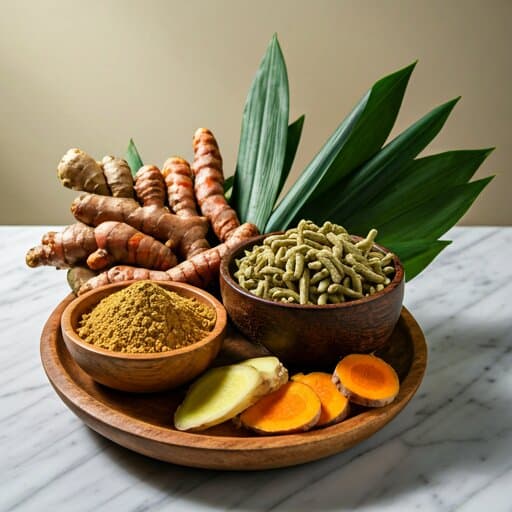
Kerala's Spice Garden Heritage and Everyday Wellness
Kerala's historic spice trade left a lasting culinary legacy. Here's how that heritage connects to genuinely useful everyday welln…