
Reading Between the Lines: Nutrition Labels on Packaged Foods

Packaged food nutrition labels contain genuinely useful information that most shoppers skim past without extracting much value. A slightly more deliberate reading habit changes that considerably.
Start With Serving Size, Not Total Package
The single most commonly overlooked detail is that all the listed nutrition figures apply to the stated serving size, not the entire package — a snack pack listing modest calories per serving can still add up considerably if the package actually contains three or four servings.
Sugar: Check Both Total and Added
Total sugar figures can include naturally occurring sugars (from fruit or dairy) alongside added sugars, which aren't always broken out separately on Indian packaged food labels the way some other countries require. Checking the ingredient list for added sugar sources (sugar, glucose syrup, honey, jaggery) helps fill this gap when the label itself doesn't separate them.
Sodium Adds Up Quickly
Packaged Indian snacks, in particular, can carry meaningfully high sodium content relative to daily recommended intake, often without tasting obviously salty. Checking the sodium figure against a rough daily target (frequently cited around 2,000mg) gives a more useful reference point than taste alone.
Ingredient List Order Matters
Ingredients are listed by descending weight, so the first two or three items tell you more about what a product actually consists of than the marketing on the front of the package.
Frequently Asked Questions
Are "low fat" or "no added sugar" claims always accurate?
They're generally regulated claims with specific legal thresholds, but it's still worth checking the actual nutrition panel, since a "low fat" product can sometimes compensate with higher sugar content.
How can I quickly compare two similar products?
Comparing per-100g figures (rather than per-serving, which can vary between brands) gives a more consistent, apples-to-apples comparison.
Is it worth reading labels for fresh, unpackaged foods too?
Fresh foods don't carry labels, but understanding packaged-food labels well tends to make people more attentive to portion and composition even with unpackaged meals.
Related Reading
- Turmeric & Curcumin: Kerala's Golden Wellness Staple
- Understanding Bioavailability: Why Quality Matters
Medical Disclaimer: This article is for general educational purposes and is not medical advice. Consult a qualified healthcare professional before making changes to your diet, supplement routine, or lifestyle.
More in the Library

Turmeric & Curcumin: Kerala's Golden Wellness Staple
What research shows about turmeric's active compound curcumin, how to source good-quality turmeric in Kerala, and why pairing it w…
Understanding Bioavailability: Why Quality Matters
Not all supplements are created equal. Discover why the path from ingestion to absorption is the most critical factor in your well…
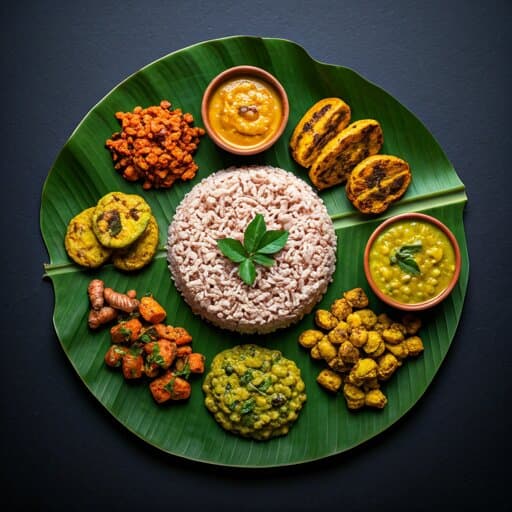
Building a Balanced Thali: A Practical Nutrition Framework
A practical, visual framework for building a nutritionally balanced everyday Kerala thali, without needing to count calories or ma…