The Monsoon Wellness Blueprint: Staying Vibrant During Kerala's Rains
Understanding Karkidakam: The Season of Rejuvenation
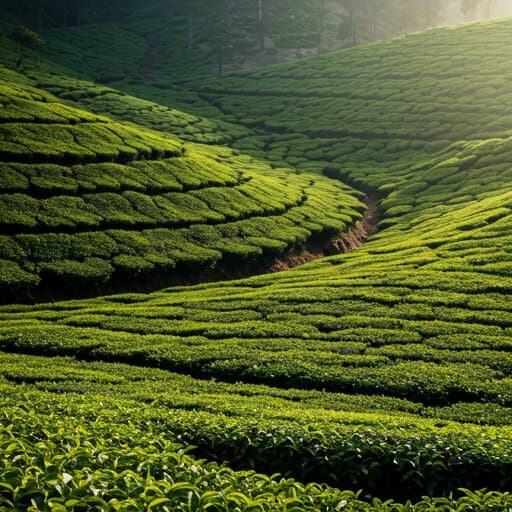
In Kerala, the monsoon isn't just a weather change; it's a sacred time for healing. Known as Karkidakam (roughly mid-July to mid-August in the Malayalam calendar), this period marks the peak of the monsoon, traditionally considered the time when the body is most receptive to Ayurvedic treatment. According to Ayurvedic principles, the dampness and cold of this period aggravate Vata dosha, making people more prone to joint discomfort, respiratory sensitivity, and reduced digestive fire (Agni).
This is also historically why Karkidakam became associated with Ayurvedic treatment packages (Karkidaka Chikitsa) across Kerala — many traditional households and Ayurvedic centres treat this month as an annual reset period, rather than waiting until illness prompts treatment.
Dietary Wisdom
Prioritise warm, light, and easily digestible foods during this period. The traditional Karkidaka Kanji — a herbal rice gruel prepared with a specific blend of medicinal herbs (often including small quantities of ingredients like dashamoolam, cumin, and other digestive-supporting herbs) — is considered the gold standard for seasonal nutrition in many Kerala households, typically eaten once daily throughout the month.
Other seasonal dietary adjustments traditionally recommended include reducing raw, cold foods, favouring cooked vegetables and warm soups, and being mindful of water sources given the higher risk of waterborne illness during heavy rains.
Lifestyle Balance
Maintaining a consistent sleep cycle matters more during Karkidakam, since daytime sleeping is traditionally discouraged — it's believed to increase Kapha dosha and contribute to the lethargy many people report during monsoon months. A simple, consistent wake and sleep time, even when the grey skies make it tempting to stay in bed, is one of the more accessible pieces of monsoon wellness advice.
The "Agni" Management
Rainy, humid weather is traditionally understood to slow digestive metabolism. Sipping warm water infused with ginger throughout the day is a simple, low-cost practice believed to support digestive fire (Agni) and reduce the toxin buildup (Ama) associated with sluggish digestion.
Steam Therapy
Weekly herbal steam inhalation — traditionally using Tulsi (holy basil) and turmeric — is a home remedy many Kerala households use during monsoon months to help keep respiratory passages clear, particularly relevant given how common seasonal colds and congestion become during sustained damp weather.
The Role of Adaptogens: Ganoderma Lucidum
Combining local Ayurvedic monsoon wisdom with adaptogens like Ganoderma (Reishi) is a more recent development in Kerala wellness practice, but a logical one — both traditions share the underlying idea of supporting the body's resilience during a physiologically demanding season, rather than only reacting after symptoms appear.
Some ways Ganoderma is used alongside traditional monsoon practices:
- Traditional and some early research suggests immune-supportive properties, relevant during a season when colds and seasonal illness are more common
- Some practitioners incorporate it alongside respiratory-supportive practices like steam therapy, given the season's particular strain on respiratory health
- May complement Ayurvedic detoxification approaches like Virechana (therapeutic purgation), which some households practice during Karkidakam, though this should always be done under professional Ayurvedic supervision rather than at home
A Simple Monsoon Wellness Routine
Bringing this together into something practical rather than aspirational:
- Morning: Warm water with ginger, before breakfast
- Breakfast: Karkidaka Kanji or a warm, light meal — avoid cold or raw foods first thing
- Through the day: Stay consistently active; avoid long daytime naps
- Evening: Herbal steam inhalation 2–3 times a week if experiencing any congestion
- Night: Consistent sleep time, ideally before 10 PM
Frequently Asked Questions
Do I need to follow Karkidaka Chikitsa (full Ayurvedic treatment) to benefit from monsoon wellness practices?
No — the full traditional treatment package is intensive and typically done under professional Ayurvedic supervision at a treatment centre. The simpler daily practices described here (diet adjustments, consistent sleep, warm water, steam inhalation) can be followed independently and still offer meaningful support during the season.
Is Karkidaka Kanji available outside of Kerala?
It's becoming more available in Indian cities with a significant Malayali population, and some Ayurvedic brands now sell packaged versions of the herbal gruel mix. That said, freshly prepared versions using quality ingredients are still considered preferable by most traditional practitioners.
Can these monsoon practices help with the humidity-related fatigue common across India during rainy season, not just in Kerala?
Yes — while Karkidakam is a Kerala-specific cultural and Ayurvedic framework, the underlying practices (warm food, consistent sleep, gentle steam therapy, staying active) are broadly applicable to anyone experiencing monsoon-related sluggishness anywhere in India.
Related Reading
- 10 Antioxidant-Rich Foods for the Kerala Kitchen
- Kerala's Traditional Oil Massage (Abhyanga): Benefits and Practice
Medical Disclaimer: This article is for general educational purposes and is not medical advice. Consult a qualified healthcare professional before making changes to your diet, supplement routine, or lifestyle.
More in the Library

The Malayali Joint Family and Mental Wellbeing
Kerala's traditional joint family structure has genuine, researched links to mental wellbeing — alongside real modern tensions wor…

Coconut in Kerala Cuisine: Superfood or Overhyped?
Coconut is central to Kerala cooking and often marketed as a superfood elsewhere. Here's a genuinely balanced look at what the evi…
Kerala's Spice Garden Heritage and Everyday Wellness
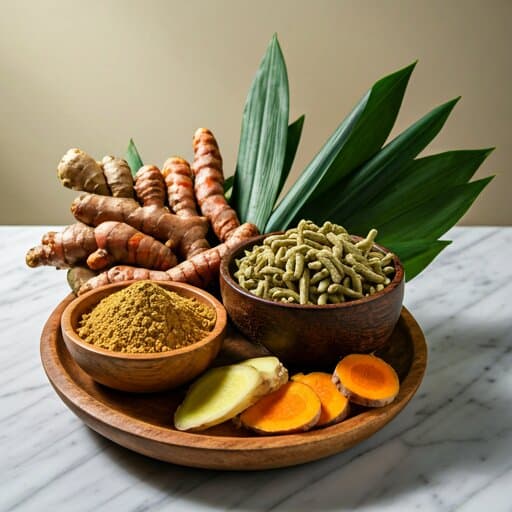
Kerala's historic spice trade left a lasting culinary legacy. Here's how that heritage connects to genuinely useful everyday welln…