What is Ganoderma Lucidum? The Ultimate Beginner's Guide
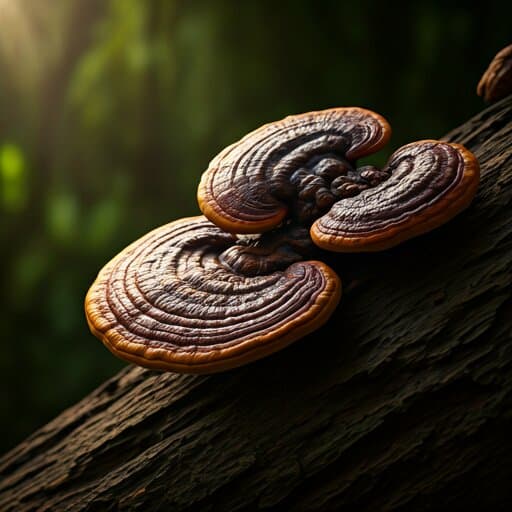
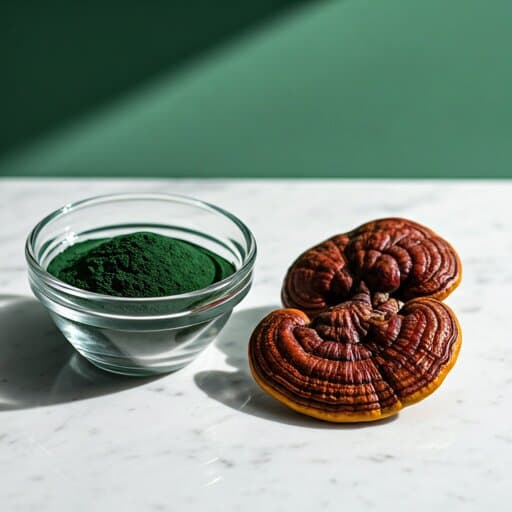
For centuries, traditional healers across the East have revered a particular woody fungus known as the "Mushroom of Immortality." In the modern wellness landscape, it's known scientifically as Ganoderma Lucidum, or more commonly, the Reishi mushroom.
The Ancient Origins
Ganoderma Lucidum has a history that stretches back over 2,000 years, primarily documented in ancient Chinese texts, most notably the Shennong Ben Cao Jing (Divine Farmer's Materia Medica), one of the earliest known pharmacopoeias. Unlike the soft, edible mushrooms you might find at a grocery store, Ganoderma is tough, woody, and intensely bitter — qualities that made it unappealing as a food but central to its use as a medicinal preparation.
In Kerala, the tropical, humid climate provides an ideal environment for this fungus to thrive on decaying hardwood, and the state's long tradition of Ayurvedic medicine has increasingly incorporated Ganoderma education alongside more established Ayurvedic herbs — bridging traditional Ayurvedic wisdom with Traditional Chinese Medicine (TCM), where Reishi has always held its most prominent place.
Why It's Called "Mushroom of Immortality"
Historically, Reishi was so rare in the wild that it was reserved almost exclusively for emperors and high-ranking royalty in ancient China. It was believed to promote longevity, enhance spiritual clarity, and balance the body's "Qi," or vital energy. The Chinese name "Lingzhi" translates roughly to "divine mushroom" or "herb of spiritual potency," and it appears repeatedly in classical Chinese art and literature as a symbol of health and good fortune.
Today, Ganoderma is cultivated commercially rather than foraged, which has made it far more accessible — though this also means sourcing and quality verification matter more than ever, since not all cultivated Ganoderma is grown or processed to the same standard.
The Six Colour Varieties
Classical Chinese medicine actually describes six colour varieties of Lingzhi — red, purple, black, blue, white, and yellow — each traditionally associated with different organ systems and effects. Of these, the red variety (Ganoderma lucidum in the strict botanical sense) is the most extensively studied in modern research and the most commonly available commercially, including in the supplements sold across India today.
How It Supports Modern Wellness
Modern science has begun to investigate what traditional use long suggested. Ganoderma contains bioactive compounds — most notably triterpenes and polysaccharides (particularly beta-glucans) — that have been studied for their effects on several body systems:
Immune Modulation
Rather than simply stimulating the immune system, research suggests Ganoderma's beta-glucans may help modulate immune response — supporting the body's natural defences without overstimulating them, which is a distinctive property compared to many other immune-supporting supplements.
Stress Resilience
Ganoderma is classified by herbalists as an adaptogen — a category of substances believed to help the body adapt to physical and mental stress more effectively, in part by supporting healthy cortisol regulation.
Sleep Quality
Traditional use and some modern research point to Ganoderma's potential to support deeper, more restorative sleep, which is one of the more commonly cited reasons people in Kerala and across India have started incorporating it into an evening routine.
Liver Support
Triterpenes in Ganoderma have a bitter taste attributed in part to their structure, and traditional Chinese medicine has long used Reishi preparations as part of liver-supportive protocols — an area of ongoing modern research interest.
Understanding Different Forms
Because of its woody, fibrous texture, you can't simply slice and cook Ganoderma the way you would an edible mushroom. It must be processed to unlock its beneficial compounds. Common forms available in India include:
- Dual-Extract Powders: The most potent and typically most expensive form, using both water and alcohol extraction to capture the full range of active compounds (both water-soluble polysaccharides and alcohol-soluble triterpenes).
- Tea or Decoction: Simmering dried slices for several hours to extract water-soluble polysaccharides — a traditional, low-cost approach, though it misses the alcohol-soluble triterpene fraction.
- Capsules: Convenient for consistent daily use, but quality and potency vary significantly between brands, since capsule contents are harder for a buyer to visually verify.
- Whole Dried Slices: Sold as-is for home decoction; requires the most preparation effort but offers full transparency about what you're consuming.
How to Start, If You're New to Ganoderma
Most beginner protocols suggest starting with a smaller dose than the label maximum for the first one to two weeks, to see how your body responds, then gradually increasing to the recommended serving. Consistency matters more than dose size — most traditional and modern protocols describe Ganoderma as something that builds benefit over weeks of regular use, not a fast-acting remedy.
Who Should Be Cautious
Ganoderma is generally well-tolerated, but a few groups should exercise particular caution: people on blood-thinning medication (some research suggests Ganoderma may have mild anticoagulant properties), those with autoimmune conditions, and anyone scheduled for surgery in the near future. Pregnant or breastfeeding women should consult a doctor before use, as should anyone currently taking prescription medication for a chronic condition.
Related Reading
- our Ganoderma guide
- Combining Ganoderma With Your Daily Coffee or Tea
- The Cordyceps and Ganoderma Difference: Two Adaptogens Compared
Medical Disclaimer: This guide is for educational purposes only. Ganoderma Lucidum is a dietary supplement and is not intended to diagnose, treat, cure, or prevent any disease. Always consult with a qualified healthcare professional before starting any new supplement regimen, especially if you have a pre-existing medical condition or are taking medication.
Frequently Asked Questions
How is Ganoderma different from other medicinal mushrooms like Cordyceps or Lion's Mane?
Each medicinal mushroom has a different traditional use and research focus. Ganoderma is most associated with immune modulation, stress resilience, and sleep support, while Cordyceps is typically associated with energy and athletic performance, and Lion's Mane with cognitive function. They're sometimes combined in blended formulas for broader coverage.
Can I grow Ganoderma at home in Kerala?
It's technically possible given Kerala's humid climate, but commercial cultivation uses controlled substrate and sterile conditions to prevent contamination — something difficult to replicate reliably at home. For consistent quality and safety, sourcing from a verified supplier is generally more practical than home cultivation.
How long does it take to notice effects?
Most traditional and anecdotal accounts describe a gradual build-up of effect over 4–8 weeks of consistent daily use, rather than an immediate, noticeable change — consistent with how adaptogens are generally understood to work.
More in the Library
Ganoderma During Cold and Flu Season: What's Reasonable to Expect
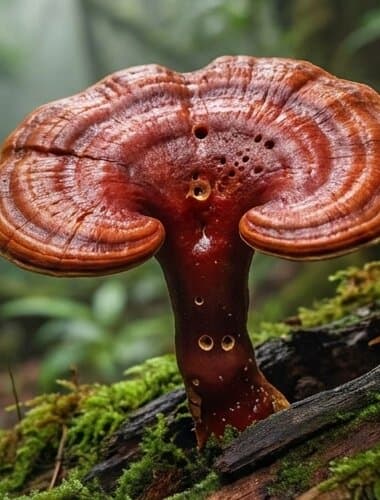
Many people turn to Ganoderma during cold and flu season for immune support. Here's a grounded look at what's reasonable to expect…
Ganoderma for Athletes: Recovery and Endurance Claims Examined
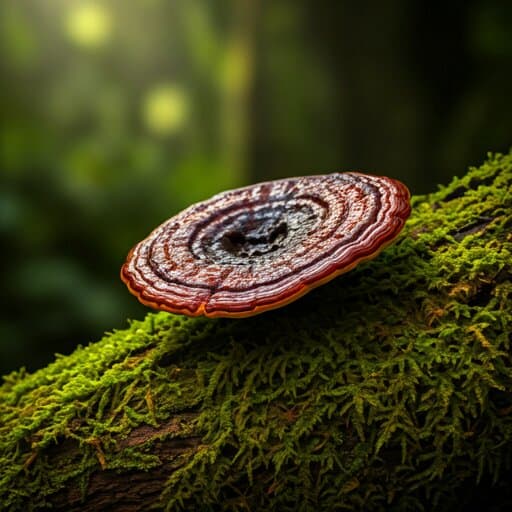
Athletes increasingly use Ganoderma alongside training. Here's an honest look at what's traditionally claimed versus what current …
The Cordyceps and Ganoderma Difference: Two Adaptogens Compared
Cordyceps and Ganoderma are both mushroom-derived adaptogens, but they're associated with quite different traditional uses. Here's…