Ganoderma During Cold and Flu Season: What's Reasonable to Expect
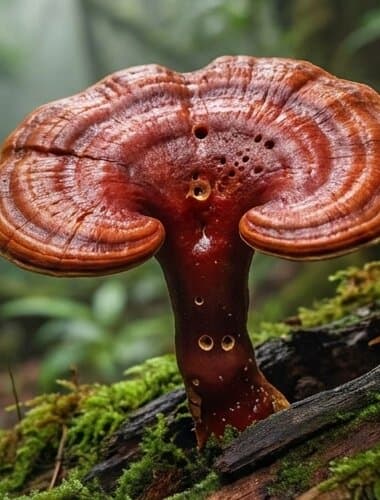
Ganoderma's traditional reputation for immune support makes it a common choice for people looking to prepare for cold and flu season, particularly during Kerala's monsoon months when seasonal illness is traditionally more common. It's worth being clear about what that reasonably means in practice.
What "Immune Support" Reasonably Means Here
Ganoderma's traditional and preliminary research profile, discussed elsewhere on this site in relation to its beta-glucan content, points toward general immune system modulation rather than a direct antiviral or antibacterial action. This is a meaningfully more modest claim than "prevents colds," and it's worth holding that distinction clearly.
A Reasonable Seasonal Routine
Given Ganoderma's traditionally described cumulative, gradual effect, starting a consistent routine somewhat ahead of the anticipated cold and flu season — rather than only reaching for it after symptoms have already appeared — aligns better with how it's traditionally described to work.
What Ganoderma Isn't
It isn't a treatment for an active infection, a substitute for vaccination, or a reason to skip seeing a doctor for a genuine illness. Traditional use and general immune-support framing should be understood as a complement to, not a replacement for, standard medical care and preventive measures like vaccination where appropriate.
Frequently Asked Questions
Can Ganoderma prevent colds and flu?
There's no credible evidence it prevents infection outright; its traditional and research framing centres on general immune support, not direct prevention of any specific illness.
Should I take Ganoderma once I already have a cold?
Traditional use generally emphasises consistent, ongoing use rather than reactive use after symptoms appear; if you're already ill, appropriate rest, hydration, and medical care (where needed) remain the priority.
Is Ganoderma a substitute for a flu vaccine?
No — it is not a substitute for vaccination, which remains a separately and more rigorously studied preventive measure for influenza specifically.
Related Reading
- our Ganoderma guide
- Combining Ganoderma With Your Daily Coffee or Tea
- Ganoderma and Sleep: Can It Help With Insomnia?
Medical Disclaimer: This article is for general educational purposes and is not medical advice. Consult a qualified healthcare professional before making changes to your diet, supplement routine, or lifestyle.
More in the Library

Combining Ganoderma With Your Daily Coffee or Tea
Ganoderma is increasingly sold blended into coffee and tea. Here's how that actually works, what to expect, and what to check on t…

Ganoderma and Sleep: Can It Help With Insomnia?
A realistic look at Ganoderma's traditional use for sleep support, what limited research suggests, and how it compares to other na…
Morning vs. Evening: When to Take Ganoderma
How Ganoderma's traditional use varies by time of day, a simple brewing guide, and a realistic timing framework depending on your …