Morning vs. Evening: When to Take Ganoderma

Ganoderma Lucidum, traditionally called the "Mushroom of Immortality," is an adaptogen — and adaptogens are generally understood to work cumulatively rather than as an immediate, single-dose effect. That makes timing a genuinely relevant question, though the honest answer is that it depends more on your goal than on a single universally "correct" time.
Morning Use
Taking Ganoderma in the morning is commonly framed around supporting steady, non-jittery focus through the day, alongside general immune-system support. Since it isn't a stimulant in the way caffeine is, people generally don't report the sharp peak-and-crash pattern associated with stimulant use — though individual experience varies.
Evening Use
Ganoderma's triterpene compounds are traditionally associated with a calming effect on the nervous system, which is why evening use is a common pattern for people specifically looking to support a wind-down routine or more restful sleep. As with morning use, this is based on traditional use patterns and general research into triterpene compounds, not a guarantee of a specific sleep outcome for any individual.
A General Timing Framework
| Goal | Common Timing | Typical Method |
|---|---|---|
| Daytime focus | Morning | Tea or coffee blend |
| General immune support | Midday | Capsule with a meal |
| Evening wind-down | Night | Warm elixir or tea |
This is a general pattern drawn from common traditional and contemporary use, not a rigid prescription — many people simply pick whichever time fits their routine and stay consistent with it, since consistency likely matters more than the exact hour.
A Simple Brewing Guide
If you're using sliced or whole Ganoderma rather than an extract powder:
- Water temperature — use hot, just-below-boiling water rather than a full rolling boil, since very high heat may degrade some of the more delicate compounds.
- Steep time — simmering slices for 20–30 minutes extracts considerably more than a quick steep.
- Absorption — a small amount of lemon or vitamin C is sometimes added, based on the general principle that vitamin C can support the breakdown of certain plant polysaccharides, though this is a modest effect rather than a dramatic one.
For extract powders, a brief whisk in warm water is usually sufficient, following the manufacturer's guidance.
Frequently Asked Questions
Can I take Ganoderma on an empty stomach?
Many people do so without issue, though some prefer taking it with food if they notice any mild stomach sensitivity — this is a matter of personal tolerance rather than a strict rule.
How long before I'd notice any effect?
Traditional use and general adaptogen research both describe a gradual, cumulative pattern over weeks of consistent use, not an immediate single-dose effect.
Is it safe to take Ganoderma both morning and evening?
Some people do split their dose, though total daily amount matters more than timing — check product-specific guidance, and consult a doctor if you're combining it with medication.
Related Reading
- our Ganoderma guide
- Combining Ganoderma With Your Daily Coffee or Tea
- Ganoderma and Sleep: Can It Help With Insomnia?
Medical Disclaimer: This article summarises general and traditional-use information for educational purposes and is not medical advice. Ganoderma may interact with certain medications, including blood thinners. Consult a qualified healthcare professional before starting any new supplement, especially if you take prescription medication or have an existing health condition.
More in the Library

Ganoderma During Cold and Flu Season: What's Reasonable to Expect
Many people turn to Ganoderma during cold and flu season for immune support. Here's a grounded look at what's reasonable to expect…
Combining Ganoderma With Your Daily Coffee or Tea
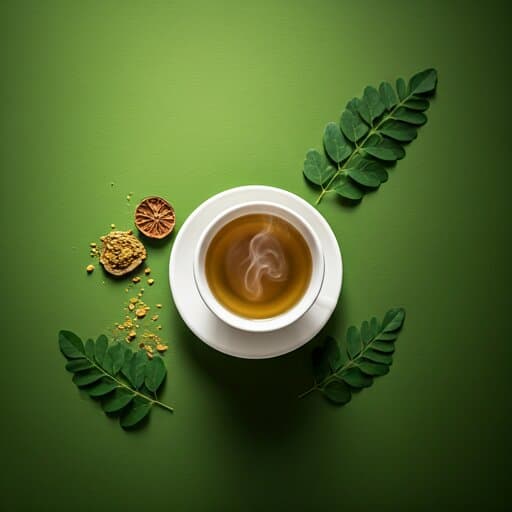
Ganoderma is increasingly sold blended into coffee and tea. Here's how that actually works, what to expect, and what to check on t…

Ganoderma and Sleep: Can It Help With Insomnia?
A realistic look at Ganoderma's traditional use for sleep support, what limited research suggests, and how it compares to other na…