Ganoderma for Athletes: Recovery and Endurance Claims Examined
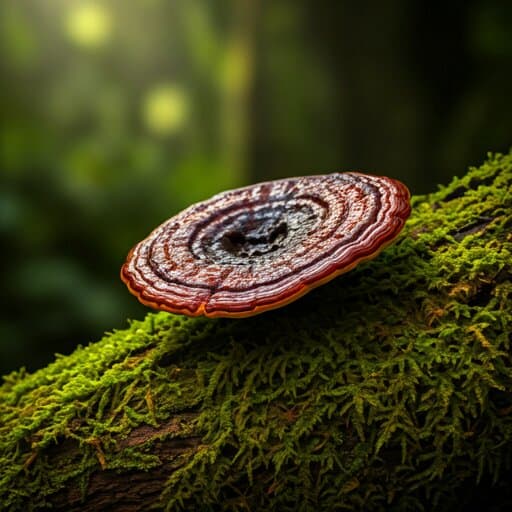
Medicinal mushrooms have found a growing audience among athletes and active people, often marketed around recovery and endurance. Ganoderma's place in that conversation is somewhat more modest than some marketing suggests, and it's worth separating traditional framing from actual evidence.
The Marketing Claim
Ganoderma is sometimes marketed to athletes around reduced recovery time and improved stamina, occasionally alongside more energising mushrooms like Cordyceps in combined "performance" products.
What's Actually Better Supported
Ganoderma's stronger traditional and research association is with general stress adaptation and immune support — both genuinely relevant to athletes managing training load and recovery, but a step removed from a direct "performance enhancer" claim. Supporting the body's stress response and immune resilience during heavy training is a more defensible framing than promising faster muscle recovery or higher endurance output specifically.
A Fair Way to Frame It
If you're an athlete considering Ganoderma, it's reasonable to think of it as a general recovery-and-resilience support alongside proper sleep, nutrition, and training load management — not as a direct substitute for any of those fundamentals, and not as a proven performance enhancer in the way it's sometimes marketed.
Frequently Asked Questions
Is Ganoderma banned in competitive sports?
Ganoderma itself is not a banned substance, but athletes in regulated competition should always verify any supplement against their sport's specific banned-substances list, since contamination in poorly manufactured supplements is a real, separate risk.
Does Ganoderma build muscle?
No — there's no credible evidence or traditional claim suggesting Ganoderma has a direct muscle-building effect.
How does Ganoderma compare to protein or creatine for athletes?
They serve entirely different purposes — protein and creatine have well-established, direct roles in muscle recovery and performance; Ganoderma's role is better understood as general wellness and stress support, not a direct performance supplement.
Related Reading
- our Ganoderma guide
- The Cordyceps and Ganoderma Difference: Two Adaptogens Compared
- Ganoderma and Blood Sugar: What Early Research Suggests
Medical Disclaimer: This article is for general educational purposes and is not medical advice. Consult a qualified healthcare professional before making changes to your diet, supplement routine, or lifestyle.
More in the Library
The Cordyceps and Ganoderma Difference: Two Adaptogens Compared
Cordyceps and Ganoderma are both mushroom-derived adaptogens, but they're associated with quite different traditional uses. Here's…

Ganoderma and Blood Sugar: What Early Research Suggests
What early research says about Ganoderma and blood sugar regulation, and why caution is warranted for anyone on diabetes medicatio…

Red vs. Black vs. Yellow Reishi: Understanding Ganoderma Species
Ganoderma comes in several traditionally recognised colour varieties. Here's what actually differs between them, and why red reish…