
Reclaiming Traditional Kerala Food Habits for Modern Health

As Kochi's urban pace accelerates, many of the traditional dietary rhythms that shaped Kerala's food culture for generations are quietly fading from daily life. This article looks at what those traditions were, why some of them hold up well against modern nutrition science, and how to realistically bring a few back into a busy professional schedule.
Ancient Wisdom vs. Modern Lifestyles
Historically, the Malayali eating pattern was closely synced with the solar day: breakfast was often a fermented kanji, lunch was a substantial, vegetable-rich Sadya-style meal, and dinner was lighter, eaten well before bedtime. Modern Kochi lifestyles have often inverted this pattern -- desk-bound jobs, late-night food delivery, and processed snacks have contributed to a genuine rise in lifestyle-related health concerns across Kerala, mirroring trends seen across urban India more broadly.
Five Traditional Habits Worth Reconsidering
Sun-Aligned Eating
Eating earlier in the day and having a lighter, earlier dinner aligns with what circadian-rhythm research increasingly suggests about metabolic health -- there's genuine modern scientific interest in meal timing, not just tradition, supporting this practice.
Copper-Stored Water
Storing water in copper vessels overnight is a traditional Kerala practice. Copper does have some documented antimicrobial properties, but it's worth being clear that copper storage is not a substitute for proper water filtration or treatment where water safety is a genuine concern -- treat it as a traditional practice with some supporting evidence, not a purification method.
Floor Seating for Meals
Eating cross-legged on the floor is a traditional posture some believe supports digestion and posture, though rigorous research specifically on this practice is limited.
Banana Leaf Serving
Serving warm food on banana leaves is thought to allow some natural plant compounds from the leaf to lightly infuse into the food, alongside the practical, hygienic benefit of a disposable, biodegradable serving surface.
Fermented Breakfasts
Pazhamkanji (fermented rice porridge) and similar fermented breakfast foods support gut microbiome health through their natural fermentation process -- a genuinely well-supported nutritional benefit, not just tradition for its own sake.
Two Kerala Staples Worth a Closer Look
Moringa (Muringa)
Found in many Kerala backyards, moringa leaves are notably rich in Vitamin C, iron, and calcium relative to their low cost and easy availability -- a genuinely nutrient-dense, often underused local vegetable, though claims describing it as a "detox" food go beyond what the nutrient profile itself actually establishes.
Jackfruit and Turmeric
Jackfruit has drawn increasing international attention as a low-glycemic-index plant-based food, including as a texture-based substitute in some plant-forward cooking. Paired with Kerala turmeric, which contains the well-researched anti-inflammatory compound curcumin, it's a genuinely useful combination, though "miracle" framing oversells what's really just a nutritious, versatile local ingredient.
Integrating These Habits Into a Busy Kochi Schedule
- The commuter's snack swap: Keeping roasted plantain chips (ethakka) or dry-roasted seeds in an office drawer instead of packaged biscuits is a small, sustainable substitution.
- An earlier dinner where possible: Given Kochi's traffic patterns, aiming to eat before or shortly after reaching home, or keeping at least a two-to-three-hour gap before sleep, supports better digestion and sleep quality.
- Weekly fermentation prep: Preparing idli or dosa batter for the week on a weekend is a practical way to keep a traditional, fermented staple in regular rotation instead of defaulting to processed bread.
Frequently Asked Questions
Do I need to adopt all of these habits at once?
No -- picking one or two that fit most naturally into your existing routine (like the snack swap or an earlier dinner) tends to be more sustainable than attempting a complete traditional lifestyle overhaul all at once.
Is traditional Kerala food inherently healthier than a modern diet?
Not automatically -- traditional Kerala cuisine includes both genuinely beneficial practices (fermentation, vegetable-forward meals, diverse spices) and some preparations high in coconut oil and rice that need to be considered in context of overall diet and activity level. The goal is drawing on the genuinely useful elements, not assuming everything traditional is automatically optimal.
Where can I learn more about incorporating these habits practically?
Our blog covers many of these topics in more depth, and our WhatsApp community is a good place to ask specific questions and hear how other Kerala families are approaching this.
Medical Disclaimer: This article is for general educational purposes and is not medical advice. Consult a qualified healthcare professional before making changes to your diet, supplement routine, or lifestyle.
More in the Library

Coconut in Kerala Cuisine: Superfood or Overhyped?
Coconut is central to Kerala cooking and often marketed as a superfood elsewhere. Here's a genuinely balanced look at what the evi…
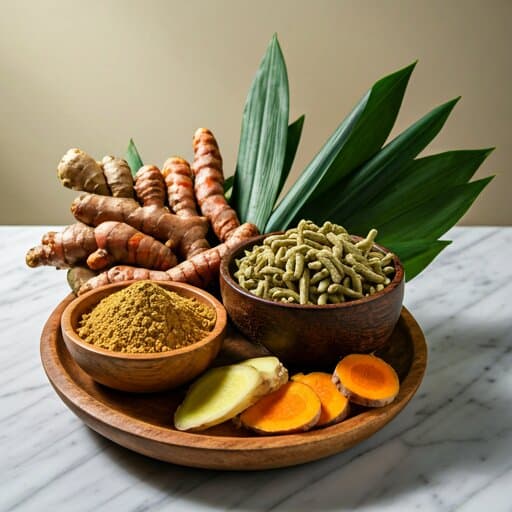
Kerala's Spice Garden Heritage and Everyday Wellness
Kerala's historic spice trade left a lasting culinary legacy. Here's how that heritage connects to genuinely useful everyday welln…
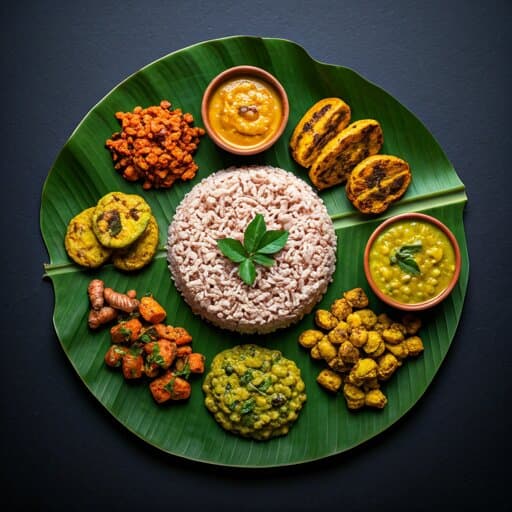
Onam Sadhya: A Nutritional Look at Kerala's Festival Feast
The Onam sadhya is one of Kerala's most iconic culinary traditions. Here's a genuinely balanced nutritional look at what's on the …