The Role of Polysaccharides in Ganoderma Lucidum
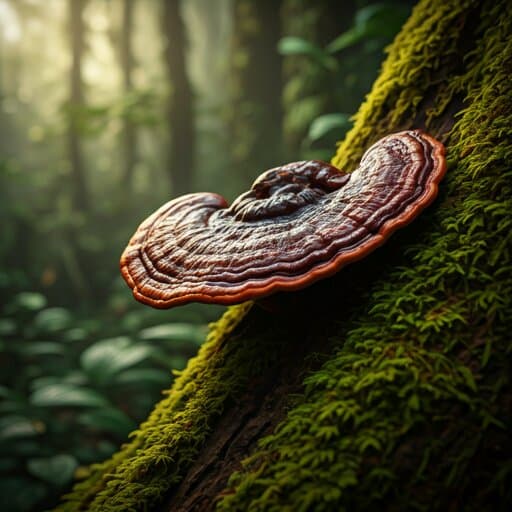
Understanding ganoderma polysaccharides isn't just academic — it has real, practical implications for how you evaluate and choose a Ganoderma product. This article focuses on that practical angle. For the underlying science of what polysaccharides are and how they're thought to work, see our companion piece, Understanding Polysaccharides: The Science Behind Ganoderma.
Why Extraction Method Matters
Not all Ganoderma products deliver the same polysaccharide content, even when using the same raw mushroom material — extraction method makes a substantial difference.
Water Extraction
Traditional hot-water decoction is effective at extracting water-soluble polysaccharides (beta-glucans) but does not extract triterpenes, which require an alcohol-based process. A water-only extract will typically be labelled or described as such.
Dual Extraction
Products using both water and alcohol extraction steps aim to capture both polysaccharides and triterpenes, offering a more complete compound profile than either method alone. This is generally considered the more comprehensive (and typically more expensive) option.
Raw Powder (Non-Extracted)
Simply grinding dried Ganoderma into powder, without a dedicated extraction process, generally yields lower bioavailability for both compound families, since much of the fungal material's beta-glucans remain bound within chitin cell walls that the human digestive system struggles to break down efficiently.
What to Look for on a Product Label
- Beta-glucan percentage, ideally from third-party testing rather than only the manufacturer's own claim
- Extraction method clearly stated (water, alcohol, or dual-extract)
- Source material specified (fruiting body vs. mycelium — see below)
- Country/region of cultivation, which can be a useful proxy for regulatory oversight and traceability
Fruiting Body vs. Mycelium-Based Products
This is one of the more important, and most often glossed-over, distinctions in the Ganoderma supplement market:
- Fruiting body extracts come from the mature, visible mushroom structure and are the traditionally used, more extensively studied form.
- Mycelium-based products use the fungal root-like network, often grown on grain substrate. Some mycelium products, particularly those grown on grain, can contain substantial residual starch — which can dilute the actual concentration of active compounds unless the product specifically states it's been tested for and shows a meaningful beta-glucan percentage.
Neither form is inherently invalid, but the distinction matters for understanding what you're actually purchasing, and it's a common source of quality variation in the broader Ganoderma market, including in India.
A Note on Research-Stage Cancer-Related Studies
You may come across mentions of Ganoderma polysaccharides being studied in laboratory settings for their interaction with cancer cell processes like angiogenesis and apoptosis. It's important to be direct about this: this research is preclinical (laboratory-based, often in isolated cell cultures), has not been established in human clinical trials, and Ganoderma is not a treatment for cancer. Anyone with a cancer diagnosis should rely on their oncology team's guidance, not supplement marketing, for treatment decisions — Ganoderma should never be used as a substitute for medical cancer treatment.
Frequently Asked Questions
How can I tell if a product's "beta-glucan content" claim is trustworthy?
Look for products that cite a specific testing method (like third-party laboratory analysis) rather than just stating a percentage without any verification method. Brands transparent about their testing process are generally more trustworthy than those making bare claims.
Is a more expensive Ganoderma product always better quality?
Not necessarily, but very cheap products using raw powder or unverified mycelium-on-grain material are more likely to have low actual active-compound content, regardless of what the label claims. Price alone isn't a reliable quality indicator, but extremely low prices relative to the market are worth scrutinising.
Should I choose fruiting body or mycelium-based Ganoderma?
Fruiting body extracts have a longer track record in both traditional use and research, making them the generally safer default choice if you're unsure. Mycelium-based products can be legitimate, but look specifically for verified beta-glucan testing given the grain-substrate dilution issue discussed above.
Scientific References
- Wachtel-Galor, S., et al. (2011). "Ganoderma lucidum (Lingzhi or Reishi): A Medicinal Mushroom." In Herbal Medicine: Biomolecular and Clinical Aspects, 2nd edition. CRC Press.
- Ferreira, I. C. F. R., et al. (2015). "Chemical features of Ganoderma polysaccharides with antioxidant, antitumor and antimicrobial activities." Phytochemistry, 114, 38–55.
Medical Disclaimer: This article is for educational purposes only and does not constitute medical advice. Ganoderma is not a treatment for cancer or any other disease. Consult a qualified healthcare professional before starting any new supplement.
Related Reading
More in the Library
Ganoderma for Athletes: Recovery and Endurance Claims Examined
Athletes increasingly use Ganoderma alongside training. Here's an honest look at what's traditionally claimed versus what current …
The Cordyceps and Ganoderma Difference: Two Adaptogens Compared
Cordyceps and Ganoderma are both mushroom-derived adaptogens, but they're associated with quite different traditional uses. Here's…

Ganoderma and Blood Sugar: What Early Research Suggests
What early research says about Ganoderma and blood sugar regulation, and why caution is warranted for anyone on diabetes medicatio…