
The Iron-Boosting Potential of Spirulina

Discover why this nutrient-dense superfood is being explored as a helpful dietary addition for Kerala's traditionally rice-based diets, in the context of a broader, iron-conscious eating pattern.
Understanding the Kerala Context: Spirulina for Iron
Kerala's traditional diet is rich in rice, and while nutritious in many respects, a high-carbohydrate-focused diet can sometimes correlate with lower overall mineral density if not balanced with a varied intake of vegetables, legumes, and other iron sources. Iron deficiency remains a genuinely common nutritional concern across India, including in Kerala, particularly among women. This is the context in which spirulina's iron content has drawn attention as a potential dietary addition.
Iron Content and Absorption
Spirulina's iron is non-heme iron (the plant-based form, as opposed to heme iron found in meat), and while non-heme iron is generally somewhat less efficiently absorbed than heme iron on its own, it remains a genuinely useful dietary iron source -- particularly relevant for Kerala's substantial vegetarian and semi-vegetarian population, for whom heme iron sources aren't part of the diet at all.
Why Pairing Matters
Non-heme iron absorption can vary significantly depending on what it's consumed alongside -- this is one of the more practically useful things to understand about iron nutrition generally, not just about spirulina specifically.
Bioavailability Boosters: The Kerala Way
To get more out of spirulina's iron content, pairing it thoughtfully matters:
- The Amla (Nellikka) effect: Amla's very high Vitamin C content makes it a natural pairing -- mixing spirulina with fresh amla juice combines a notable iron source with a strong absorption enhancer in one preparation.
- Citrus additions: A squeeze of local lime or lemon into a spirulina smoothie serves the same Vitamin C-pairing purpose.
- Mind your timing with tea and coffee: Tannins in tea and coffee can meaningfully inhibit non-heme iron absorption, so it's generally advised to avoid drinking either within about an hour of an iron-focused meal or supplement, spirulina included.
Who Should Be Especially Mindful
Iron-deficiency anaemia is a diagnosable medical condition, and while spirulina can be a useful dietary addition, it's not a substitute for proper testing and treatment if you suspect you have a diagnosed deficiency. Pregnant women, adolescents, and anyone with heavy menstrual periods are at higher risk of iron deficiency and should discuss their specific iron needs with a doctor rather than relying on diet alone to correct a confirmed deficiency.
Frequently Asked Questions
Can spirulina alone treat diagnosed anaemia?
No -- diagnosed anaemia requires medical evaluation and, typically, a targeted treatment plan that may include iron supplementation at doses higher than what spirulina alone would provide. Spirulina can be a helpful dietary addition alongside medical treatment, but shouldn't replace it.
How much spirulina would I need for a meaningful iron contribution?
A typical serving of 1-3 grams contributes a modest amount of iron toward daily needs -- genuinely useful as part of an overall varied diet, but not a substitute for a broader iron-conscious eating pattern if you have elevated needs or a diagnosed deficiency.
Does cooking reduce spirulina's iron content?
Iron itself is a mineral and isn't destroyed by heat the way some vitamins are, so moderate cooking doesn't meaningfully reduce iron content -- though very high heat can degrade some of spirulina's other heat-sensitive compounds, like phycocyanin.
For a more comprehensive look at spirulina's full nutrient profile, see our Spirulina Guide or the main Spirulina guide.
Medical Disclaimer: This article is for general educational purposes and is not medical advice. Anyone with a diagnosed iron deficiency or anemia should follow their doctor's guidance rather than relying on dietary changes alone. Consult a qualified healthcare professional before making changes to your diet or supplement routine.
More in the Library
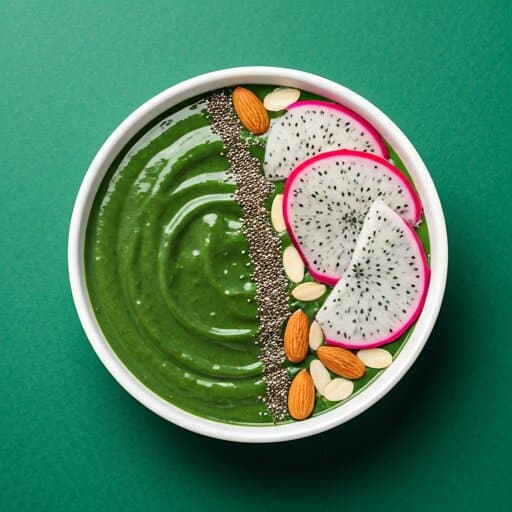
Spirulina Smoothie Bowls: A Weekly Meal Prep Guide
A practical guide to building spirulina into a weekly smoothie bowl routine — including prep tips, flavour pairings, and realistic…
Spirulina and Allergies: What to Watch For
Spirulina is generally well tolerated, but genuine allergic reactions and sensitivities do occur. Here's what to watch for and who…
How Spirulina Is Farmed: From Pond to Powder
A behind-the-scenes look at how spirulina actually gets from a cultivation pond to the powder in a supplement jar.