How Ganoderma Is Traditionally Cultivated in Kerala's Climate
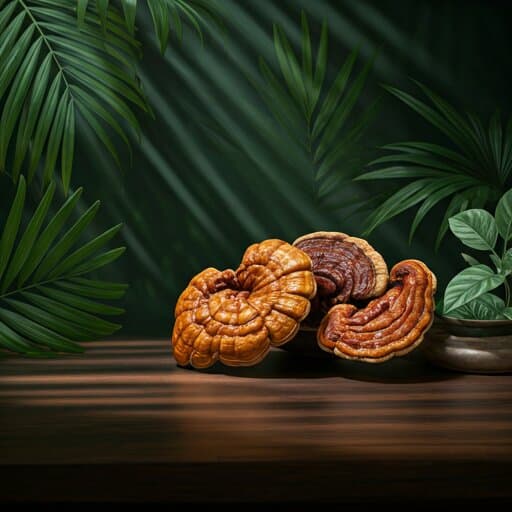
Kerala's climate — high humidity, consistent warmth, and substantial rainfall — happens to closely match the conditions Ganoderma naturally favours in the wild, which is part of why the state has become a meaningful growing region for the mushroom, alongside its traditional wild presence in decaying hardwood.
Natural Growing Conditions
Ganoderma naturally grows on decaying hardwood, particularly species like oak, and thrives in shaded, humid environments with limited direct sunlight — a description that fits substantial parts of Kerala's forested and plantation landscape closely.
Log Cultivation vs. Substrate Bags
Two common cultivation methods are used: traditional log cultivation, where mushroom spawn is inoculated into hardwood logs and left to fruit over months, and substrate-bag cultivation, using sawdust or agricultural waste in controlled bags — a faster, more space-efficient modern method. Log-grown Ganoderma is sometimes marketed as closer to traditional wild-harvest quality, though well-managed substrate cultivation can also produce high-quality mushrooms.
Why Sourcing Region Matters
Growing conditions genuinely affect the concentration of triterpenoids and polysaccharides in the final mushroom, which is part of why sourcing region and cultivation method are reasonable things to ask about when buying Ganoderma products, rather than treating "Ganoderma" as a single uniform ingredient regardless of origin.
Frequently Asked Questions
Is Kerala-grown Ganoderma better than imported Ganoderma?
Not automatically — quality depends more on cultivation care and processing than on region alone, though Kerala's climate does offer genuinely favourable natural growing conditions.
How long does it take to grow Ganoderma?
Log cultivation typically takes several months to a year before the first harvest; substrate-bag cultivation is generally faster.
Is wild-harvested Ganoderma better than cultivated?
Wild Ganoderma is less consistent in potency and harder to verify for purity, so well-managed cultivation is often considered more reliable for supplement-grade quality.
Related Reading
- our Ganoderma guide
- Combining Ganoderma With Your Daily Coffee or Tea
- The Cordyceps and Ganoderma Difference: Two Adaptogens Compared
Medical Disclaimer: This article is for general educational purposes and is not medical advice. Consult a qualified healthcare professional before making changes to your diet, supplement routine, or lifestyle.
More in the Library
Ganoderma During Cold and Flu Season: What's Reasonable to Expect
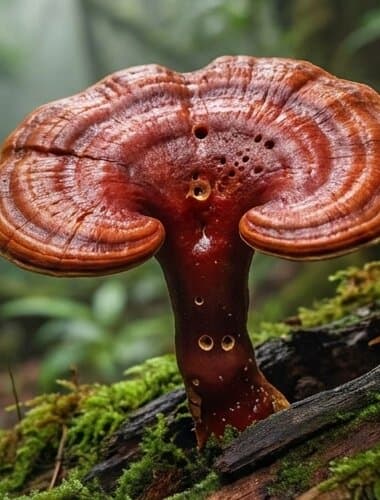
Many people turn to Ganoderma during cold and flu season for immune support. Here's a grounded look at what's reasonable to expect…
Ganoderma for Athletes: Recovery and Endurance Claims Examined
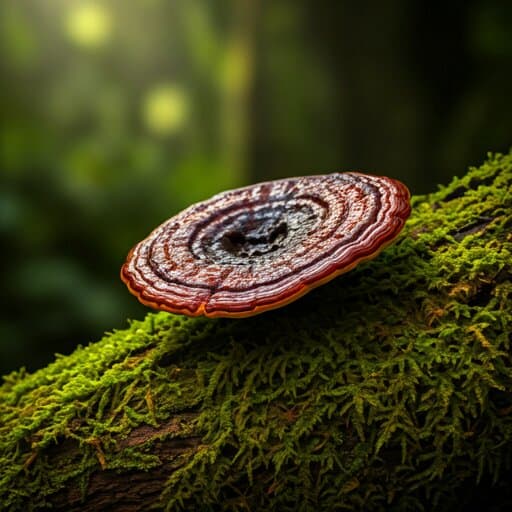
Athletes increasingly use Ganoderma alongside training. Here's an honest look at what's traditionally claimed versus what current …
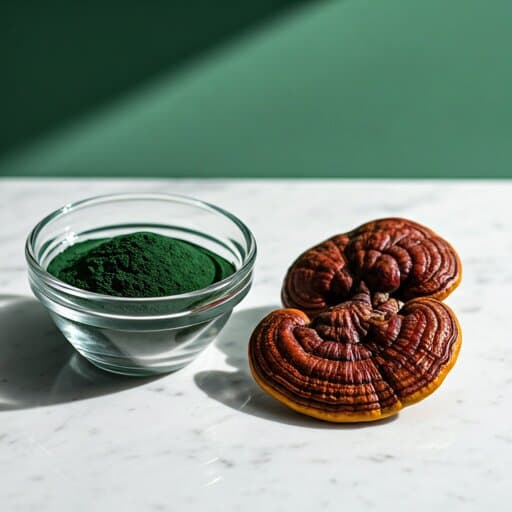
The Cordyceps and Ganoderma Difference: Two Adaptogens Compared
Cordyceps and Ganoderma are both mushroom-derived adaptogens, but they're associated with quite different traditional uses. Here's…