Ganoderma Sourcing Standards: Why Purity Matters
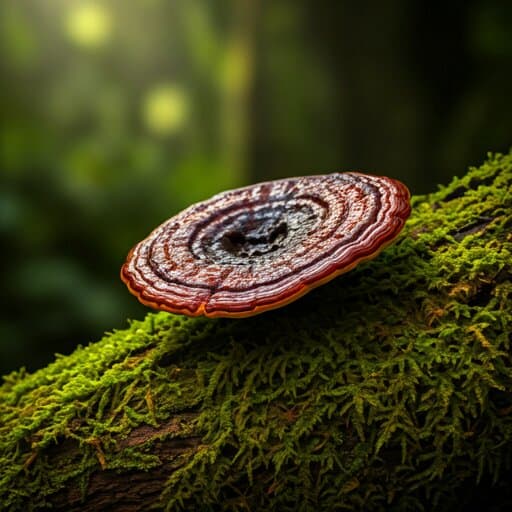
An educational look at why growing environment and sourcing practices matter for Ganoderma quality — and what to ask about before buying.
The effectiveness of any Ganoderma Lucidum (Reishi) product is closely tied to how and where it was grown. Fungi are remarkably efficient at absorbing substances from their environment — including, unfortunately, contaminants as well as nutrients. Understanding this matters for anyone evaluating Ganoderma products, regardless of brand.
Why Growing Environment Matters
Fungi are, in a real biological sense, nature's recyclers — they break down and absorb compounds from their growing substrate with notable efficiency. This same mechanism that makes mushrooms nutritionally interesting also makes them susceptible to accumulating heavy metals and other contaminants if grown in a compromised environment.
- Heavy metal accumulation: Mushrooms grown near industrial areas or contaminated soil can accumulate lead, arsenic, or cadmium at higher levels than mushrooms grown in cleaner environments — this is a well-documented general property of fungi, not specific to Ganoderma.
- Substrate quality: What the mushroom is grown on (hardwood logs vs. sawdust vs. grain) affects both nutrient uptake and the concentration of active compounds in the final product.
Wild-Harvested vs. Cultivated Ganoderma
"Wild-crafted" sounds appealingly natural, but it comes with real trade-offs worth understanding:
The Case for Cultivated Ganoderma
Controlled cultivation on hardwood logs (sometimes called "Duan-wood" cultivation) allows growers to verify substrate quality, control for contaminants, and harvest at a consistent, known maturity stage — all factors that are much harder to verify with wild-foraged material.
The Trade-offs of Wild Harvesting
Wild Ganoderma can vary significantly in age, growing conditions, and substrate quality, none of which are verifiable after the fact without lab testing. Without testing, a wild-harvested product may be past its optimal harvest stage, or grown on a substrate that didn't support strong nutrient development.
What "Standardised Extract" Actually Means
Many commercial products are labelled simply "mushroom powder," which typically just means ground biomass with no specified compound concentration. A genuinely standardised extract, by contrast, specifies the exact tested percentage of key bioactive compounds (for example, a specific beta-glucan percentage) — meaning you can expect a consistent amount of active compound in every dose, rather than an unknown, variable amount.
Practical Questions to Ask Before Buying
These questions apply regardless of where in India you're buying from — a supplier in Kerala, a national e-commerce platform, or a brand based elsewhere entirely. Sourcing quality isn't a Kerala-specific concern.
- What substrate was the mushroom grown on? Hardwood log cultivation is generally preferred over grain-based substrates, which can dilute active compound concentration.
- Is there a batch-specific Certificate of Analysis (COA) available? A reputable supplier should be able to provide one on request, showing independent lab test results for that specific batch.
- Is beta-glucan or triterpene percentage specified? Vague labelling ("proprietary blend," "immune complex") without any tested percentage is a signal to look elsewhere.
- Has the product been tested for heavy metals and microbial safety? This is particularly important given fungi's tendency to accumulate environmental contaminants.
Scientific References
- Lin, Z. B. (2005). "Cellular and molecular mechanisms of immuno-modulation by Ganoderma lucidum." Journal of Pharmacological Sciences, 99(2), 144–153.
- Wachtel-Galor, S., et al. (2011). "Ganoderma lucidum (Lingzhi or Reishi): A Medicinal Mushroom." In Herbal Medicine: Biomolecular and Clinical Aspects, 2nd edition. CRC Press.
- Sanodiya, B. S., et al. (2009). "Ganoderma lucidum: a potent pharmacological macrofungus." Current Pharmaceutical Biotechnology, 10(8), 717–742.
Medical Disclaimer: The information provided in this guide is for educational purposes only and is not intended as medical advice. These statements have not been evaluated by any regulatory authority. Always consult with a healthcare professional before starting any new dietary supplement, especially if you are pregnant, nursing, or have a pre-existing medical condition.
For a more detailed look at extraction methods and how to read a product label, see our companion article, How to Identify High-Quality Ganoderma Extracts, or visit our Ganoderma guide for the full picture.
More in the Library

Ganoderma Capsules vs. Powder vs. Tincture: Choosing a Format
Capsules, powder, and alcohol-based tinctures each have different practical tradeoffs. Here's how to choose the right Ganoderma fo…
Ganoderma Spore Powder vs. Fruiting Body Extract
What's the real difference between Ganoderma spore powder and fruiting body extract, and does it matter which one you buy?
How to Identify High-Quality Ganoderma Extracts
Navigating the world of functional mushrooms can be complex. Learn how to source the **best ganoderma extract** using Kerala's tra…