5 Reasons Why Kerala Families Prioritize Wellness Education
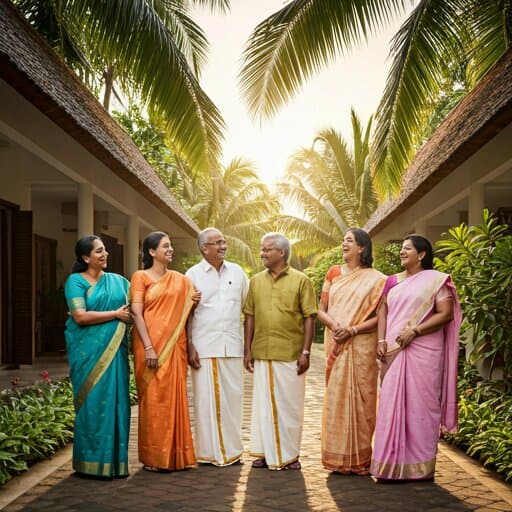
In the lush landscapes of Kerala, and increasingly across India more broadly, a quiet shift is taking place. Beyond the traditional boundaries of healthcare, families are seeking a deeper understanding of what it means to be truly well. This shift from reactive medicine to proactive wellness education is transforming how households approach daily life, nutrition, and mental clarity.
Moving Beyond Symptom Management
For decades, the standard approach to health has been waiting for symptoms to appear before seeking intervention. However, Kerala families are increasingly realizing that the absence of disease is not the same as the presence of health. Wellness education empowers families to identify early markers of imbalance—be it sleep disruption, digestive issues, or persistent fatigue—and address them through natural lifestyle adjustments before they escalate.
"True health is not merely the absence of disease, but a state of complete physical, mental, and social well-being" — a definition close to the World Health Organization's own founding definition of health, and one that captures why "wellness education" has become a distinct pursuit from conventional medical care, rather than a replacement for it.
The Power of Informed Nutritional Choices
Kerala's rich biodiversity offers a genuine wealth of natural food resources, but modern processed diets have increasingly displaced traditional dietary patterns. Wellness education is helping bridge this gap. By understanding the nutritional science behind both traditional staples and newer additions like Ganoderma and Spirulina, families can make more intentional choices — not just eating for flavour, but with a clearer sense of what different foods actually contribute nutritionally.
Bio-Available Nutrition
Understanding how the body actually absorbs and uses different nutrients — not just what's printed on a label — is a genuinely useful, practical literacy for household nutrition decisions.
Traditional Wisdom, Modern Context
Combining Ayurvedic dietary and lifestyle principles with modern nutritional science gives families a broader toolkit than either tradition offers alone, particularly for navigating a food environment that looks very different from previous generations.
Navigating Wellness in the Age of Information
With the internet providing an endless, often contradictory stream of health advice, "wellness literacy" — the ability to critically evaluate health claims — has become a genuinely useful skill. Structured, source-transparent education helps families separate marketing language from evidence-supported guidance, learn to read ingredient labels critically, and recognise red flags like vague "clinically proven" claims without any specific, checkable source.
Building Healthier Habits Across Generations
Perhaps the most compelling long-term reason for wellness education is its role in shaping habits early. When parents build genuine wellness literacy, children tend to absorb these habits as a normal part of daily life — regular movement, mindful eating, consistent sleep — rather than encountering them later as a corrective response to poor health. This generational habit-transfer is one of the more meaningful, if harder to measure, benefits of a family's investment in wellness education.
What Wellness Education Is Not
It's worth being clear about scope: wellness education is a complement to medical care, not a substitute for it. Learning about nutrition, traditional practices, and healthy lifestyle habits doesn't replace the need for regular medical checkups, professional diagnosis, or treatment for existing conditions — it's most valuable as a foundation for everyday preventive habits, alongside a normal relationship with healthcare providers.
Frequently Asked Questions
Isn't this just another way of describing general health awareness?
Not entirely — "wellness education" as it's used here refers to a more structured, ongoing engagement with evidence-based information, as opposed to occasional passive exposure to health content. The distinction matters because structured learning tends to produce more consistent, lasting habit change than passive awareness alone.
How do I know if a wellness resource is trustworthy?
Look for sources that clearly distinguish between traditional practice, early research, and well-established findings, rather than presenting all claims with equal confidence. Transparency about what is and isn't well-supported is a stronger trust signal than confident, sweeping claims.
Is wellness education relevant for families without any current health concerns?
Yes — arguably more so, since the preventive value of wellness education is greatest before health issues develop, not after. Waiting until a problem appears to start learning about nutrition and lifestyle habits misses much of the potential benefit.
Related Reading
- The Kerala Monsoon and Seasonal Affective Patterns
- Peak Performance: How to Build a Wellness-First Morning Routine in Kochi
Medical Disclaimer
The information provided in this article is for educational purposes only and is not intended as medical advice, diagnosis, or treatment. Always seek the advice of your physician or other qualified health provider with any questions you may have regarding a medical condition. Never disregard professional medical advice or delay in seeking it because of something you have read on this website.
More in the Library

Wellness for Kerala's NRI Community Returning Home
Kerala's large NRI community faces specific wellness adjustments when returning home, permanently or for extended visits. Here's a…

Walking as Underrated Exercise: A Kerala Neighborhood Guide
Walking is often dismissed as 'not real exercise,' but the research says otherwise. Here's a practical guide to making it a meanin…

Stress and the Modern Kerala Workplace: IT Professionals' Guide
Kerala's growing IT sector brings a specific set of workplace stress patterns. Here's a practical, realistic guide for managing th…